Minister Used PR Firm to Investigate Journalists' Sources
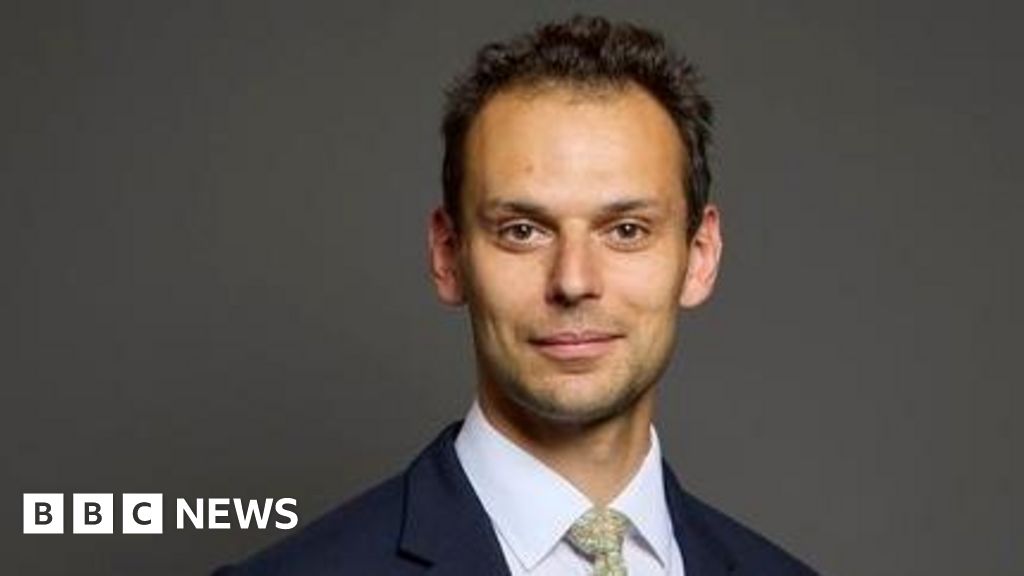
Cabinet office minister used PR firm to investigate journalists' sourcesImage Credit: BBC News
Key Points
- •The Client: Labour Together, a think tank and campaigning group instrumental in shaping the Labour Party's current strategic direction.
- •The Operative: Morgan McSweeney, then director of Labour Together, now a Minister for the Cabinet Office and a Lord.
- •The Firm: Invicta Public Affairs, a communications and corporate intelligence agency.
- •The Objective: To identify and neutralise the sources of leaks to journalists perceived as hostile to Labour Together's mission.
- •Open Source Intelligence (OSINT): Systematically gathering information from publicly available sources, such as social media, public records, and online forums, to build profiles of suspected leakers.
Cabinet office minister used PR firm to investigate journalists' sources
A senior Cabinet Office minister is facing intense scrutiny over revelations he engaged a corporate intelligence firm to investigate the sources of journalists. Morgan McSweeney, a key figure in the Prime Minister's inner circle, commissioned the work in 2020 while he was director of the influential group Labour Together, according to documents seen by the BBC.
The proposal from the firm, Invicta Public Affairs, outlined a strategy to identify, investigate, and potentially "undermine" individuals leaking information to the media. The plan detailed using "human intelligence" and "digital forensics" to build a "body of evidence" against sources, raising profound questions about press freedom and the ethical conduct of senior political operatives.
A spokesperson for Mr. McSweeney has stated that the more controversial elements of the proposed work were not commissioned or carried out. However, the existence of the proposal itself provides a rare and unsettling insight into the aggressive tactics considered at the heart of the modern Labour project.
The Core Allegations
The controversy centres on a proposal drafted by Invicta Public Affairs for Labour Together in early 2020. At the time, Mr. McSweeney was the group's director, and Keir Starmer, whom Mr. McSweeney would go on to serve as a chief adviser, had just won the Labour leadership. Labour Together was seen as a critical vehicle for modernising the party and consolidating the new leader's authority.
The documents reveal a concern within the organisation about negative media coverage and internal leaks. Invicta was approached to devise a strategy to counteract these "attacks."
- The Client: Labour Together, a think tank and campaigning group instrumental in shaping the Labour Party's current strategic direction.
- The Operative: Morgan McSweeney, then director of Labour Together, now a Minister for the Cabinet Office and a Lord.
- The Firm: Invicta Public Affairs, a communications and corporate intelligence agency.
- The Objective: To identify and neutralise the sources of leaks to journalists perceived as hostile to Labour Together's mission.
A Strategy of "Proactive Undermining"
The most alarming section of the proposal details the methods Invicta offered to deploy. The firm outlined a multi-faceted approach to intelligence gathering that blurred the lines between standard public relations and private investigation.
The document explicitly states the firm's approach should "provide a body of evidence that could be packaged up for use in the media in order to create narratives that would proactively undermine any future attacks on Labour Together."
Invicta's proposed methods included:
- Open Source Intelligence (OSINT): Systematically gathering information from publicly available sources, such as social media, public records, and online forums, to build profiles of suspected leakers.
- Human Intelligence (HUMINT): This term, typically associated with espionage, involves gathering information from human sources. In this context, it suggests tasking operatives to discreetly make inquiries within political and media circles to identify journalists' sources.
- Digital Forensics: The proposal mentioned using "digital forensics work." While the specifics are not detailed, this capability often involves analysing digital trails, metadata, and online footprints to establish connections and identify individuals.
This combination of tactics represents a significant move into the "dark arts" of reputation management, aimed not just at shaping a public narrative but at actively discrediting private citizens who speak to the press.
Context: A Party in Transition
To understand the proposal, it's crucial to consider the political climate of early 2020. The Labour Party was reeling from a catastrophic defeat in the 2019 general election and was in the midst of a fractious leadership transition.
Keir Starmer's victory marked a decisive shift away from the Corbyn era. Groups like Labour Together, with Mr. McSweeney at the helm, were central to this project. They faced internal opposition and sought to establish tight message discipline and control over the party's new narrative. The desire to plug leaks and present a united front was paramount.
- Morgan McSweeney's Role: As Keir Starmer's campaign director and a leading strategist, Mr. McSweeney was a key architect of the new leadership's ascendancy. His subsequent elevation to the House of Lords and a senior ministerial role in the Cabinet Office underscores his central importance to the current government.
- Labour Together's Influence: The think tank has been highly effective, producing influential reports and strategic advice that have heavily shaped Labour's policy and electoral platform. Protecting its reputation was synonymous with protecting the new leadership project.
Denials and Official Responses
Confronted with the BBC's findings, the parties involved have sought to distance themselves from the proposal's most aggressive elements.
A spokesperson for Morgan McSweeney acknowledged that he engaged Invicta to investigate the source of a data leak, but insisted the more controversial work was rejected.
- Mr. McSweeney's Position: "He did not commission or authorise any of the other wider work proposed in this document... Specifically, he did not commission work to investigate any journalists. Any suggestion that he directed or authorised such work is wrong."
- Labour Together's Stance: The group stated it decided not to proceed with the "full scope of work" outlined, confirming it was concerned about a specific data breach at the time.
- Invicta's Statement: The firm has not commented publicly on the specifics of a client relationship, citing confidentiality.
While the defence rests on the claim that the full plan was not executed, the fact that a senior political figure solicited and received a detailed proposal to investigate journalists' sources remains the central, undisputed fact of the matter.
Implications for Press Freedom and Governance
The revelations carry significant implications that extend beyond the internal politics of the Labour Party.
Threat to a Free Press
The foundation of investigative journalism rests on the ability to protect the anonymity of sources. Individuals, often at great personal or professional risk, provide information in the public interest. The prospect of political organisations hiring intelligence firms to hunt down and "undermine" these sources could have a chilling effect, discouraging whistleblowers from coming forward.
Questions of Ministerial Judgment
As a Minister for the Cabinet Office, Mr. McSweeney is now part of the department responsible for upholding standards of propriety, ethics, and governance across government. His past association with a strategy to target journalists' sources raises serious questions about his judgment and suitability for a role overseeing government ethics.
The Business of Political Intelligence
The case shines a light on the increasingly sophisticated and aggressive corporate intelligence industry servicing political clients. The use of terms like "human intelligence" and "digital forensics" in a PR proposal signals a convergence of public relations with surveillance and investigative techniques, a trend that warrants far greater scrutiny.
The Cabinet Office has yet to issue a formal statement on the matter. However, opposition parties and press freedom organisations are now calling for a full investigation into Mr. McSweeney's conduct and the extent to which such practices are utilised within the UK's political landscape. The story is a stark reminder of the inherent tensions between political power, narrative control, and the public's right to know.
Source: BBC News
Related Articles
Nationwide Protests Against ICE Enforcement Erupt in U.S.
Thousands are protesting ICE after the DOJ declined to investigate a fatal agent-involved shooting in Minneapolis, fueling a national movement and public anger.
Venezuela Amnesty Bill Could Free Political Prisoners
Learn about Venezuela's proposed amnesty bill to release political prisoners. The move could signal a major political shift and affect future economic sanctions
Pokémon Cancels Yasukuni Shrine Event After Backlash
The Pokémon Company has canceled an event at Tokyo's controversial Yasukuni Shrine after facing international backlash from China and South Korea.
US to Lose Measles Elimination Status: What It Means
The U.S. is poised to lose its measles elimination status due to escalating outbreaks. Learn what this downgrade means for public health and the economy.