Can Chia Seeds & Bone Broth Really Heal Your Gut?
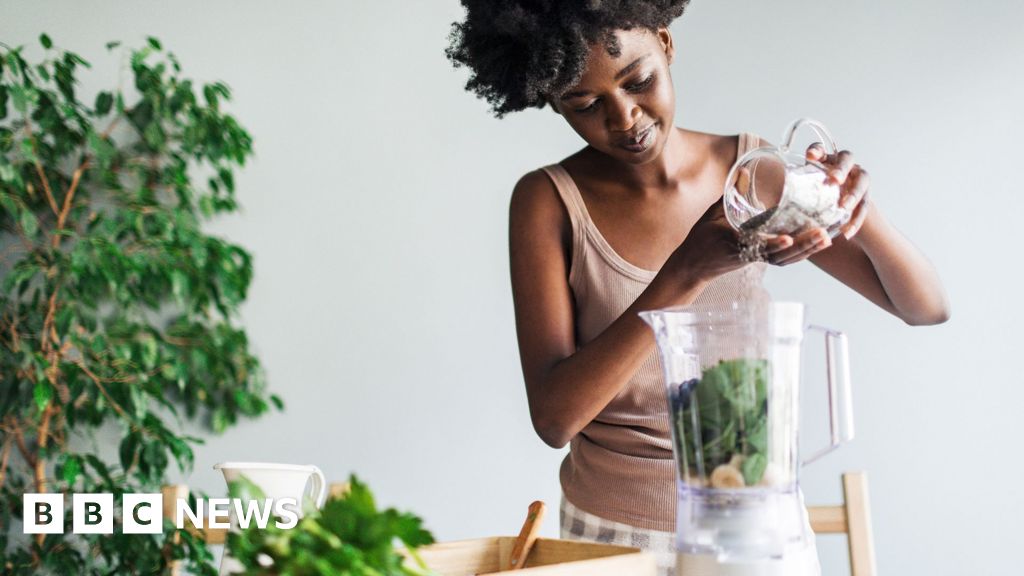
Can chia seeds and bone broth really 'heal' your gut?Image Credit: BBC News
Key Points
- •The Influencer Effect: Social media platforms like TikTok and Instagram are primary drivers of this trend. Videos demonstrating dramatic (though often unverified) results from specific gut health "hacks" can garner millions of views, creating powerful, unregulated marketing cycles.
- •Consumer Spending: This translates directly to consumer behavior, with shoppers increasingly opting for products labeled "probiotic," "gut-friendly," or "for digestive wellness," often at a significant price premium over conventional foods.
- •The Claim: Proponents suggest chia seeds form a gelatinous substance that scrubs the digestive tract, cures constipation, and removes "buildup."
- •The Nutritional Reality: Chia seeds are an excellent source of soluble fiber. When mixed with liquid, this fiber forms a gel. This gel slows digestion, helps you feel full, and can soften stool, which aids regular bowel movements. It is a food source for beneficial gut bacteria.
- •The Expert Verdict: The idea of an "internal shower" is physiologically inaccurate. The gut is not a pipe that needs scrubbing. Chia seeds are beneficial for regularity and fiber intake, but they are not a detoxifying agent or a cure-all. For some individuals, particularly those with conditions like diverticulitis, a sudden high intake of fiber can even cause adverse effects.
Can chia seeds and bone broth really 'heal' your gut?
A multi-billion dollar wellness industry, amplified by social media influencers, is promoting a simple and seductive message: you can "heal your gut" with specific superfoods. Viral trends showcasing "internal shower" drinks made with chia seeds and simmering pots of bone broth promise to cure everything from bloating to fatigue. But as consumers pour money into these products, a critical question emerges: Does the science support the hype?
The answer, according to a growing consensus among dietitians and medical experts, is a resounding and nuanced "no." While these foods offer nutritional benefits, the concept of "healing" an already healthy gut is a marketing fallacy that medical professionals are working to dismantle.
The Gut Health Gold Rush
The global market for digestive health products is immense, projected to surpass $71 billion by 2027. This explosive growth is fueled by a widespread, and often vague, sense of digestive unease among the population.
This consumer anxiety has created a fertile ground for savvy marketers and wellness influencers. They position expensive powders, supplements, and specific foods not merely as nutritious, but as essential tools for repairing a "broken" or "leaky" gut—a term that itself is often used outside of its specific medical context.
- The Influencer Effect: Social media platforms like TikTok and Instagram are primary drivers of this trend. Videos demonstrating dramatic (though often unverified) results from specific gut health "hacks" can garner millions of views, creating powerful, unregulated marketing cycles.
- Consumer Spending: This translates directly to consumer behavior, with shoppers increasingly opting for products labeled "probiotic," "gut-friendly," or "for digestive wellness," often at a significant price premium over conventional foods.
Deconstructing the "Healing" Foods
To understand the gap between marketing and reality, it's crucial to analyze the claims made about today's most popular gut-focused foods.
Chia Seeds
The "internal shower" trend—chia seeds soaked in water with lemon—is promoted as a way to "scrape" the intestines clean and flush out toxins.
- The Claim: Proponents suggest chia seeds form a gelatinous substance that scrubs the digestive tract, cures constipation, and removes "buildup."
- The Nutritional Reality: Chia seeds are an excellent source of soluble fiber. When mixed with liquid, this fiber forms a gel. This gel slows digestion, helps you feel full, and can soften stool, which aids regular bowel movements. It is a food source for beneficial gut bacteria.
- The Expert Verdict: The idea of an "internal shower" is physiologically inaccurate. The gut is not a pipe that needs scrubbing. Chia seeds are beneficial for regularity and fiber intake, but they are not a detoxifying agent or a cure-all. For some individuals, particularly those with conditions like diverticulitis, a sudden high intake of fiber can even cause adverse effects.
Bone Broth
Long-simmered bones and connective tissue create a broth rich in collagen, gelatin, and amino acids, which advocates claim can repair the intestinal lining.
- The Claim: Bone broth "heals and seals" a "leaky gut" by providing the building blocks (collagen and gelatin) to patch holes in the intestinal wall, thereby reducing inflammation.
- The Nutritional Reality: Bone broth contains amino acids like glycine and proline, which are components of collagen. The human body uses these amino acids for various functions, including tissue repair. However, there is no direct evidence that consuming collagen or gelatin from broth leads to it being used specifically to repair the gut lining. Once digested, these proteins are broken down and used by the body wherever they are needed.
- The Expert Verdict: Bone broth can be a hydrating, nutrient-dense, and easily digestible liquid, which is why it's often recommended during illness. But the claim that it specifically targets and "seals" the gut is unsubstantiated by rigorous scientific studies.
The Scientific Consensus: A Healthy Gut Needs No "Healing"
The central message being pushed back against the marketing hype is one of common sense. As highlighted in a recent BBC News report on the topic, experts stress that most people do not need dramatic dietary interventions. One specialist noted, "most of us don't need to heal our gut as if your gut is healthy, none of these things are going to make a difference."
This expert perspective reframes the entire conversation. The goal should not be to "heal" a functioning system, but to support and maintain it through established, evidence-backed principles.
- The Microbiome's Role: A healthy gut is home to trillions of microorganisms that play a key role in digestion, immune function, and even mood. This system is largely self-regulating and resilient.
- True Gut Support: Rather than focusing on a single "miracle" ingredient, experts advise a holistic approach. Key pillars of genuine gut health include a diverse diet rich in different plant fibers (prebiotics), consumption of fermented foods like yogurt, kefir, and kimchi (probiotics), and managing lifestyle factors like stress, sleep, and physical activity.
- When to Seek Help: The wellness trend of self-diagnosing a "leaky gut" can be dangerous. It may prevent individuals with serious medical conditions—such as Celiac disease, Inflammatory Bowel Disease (IBD), or Irritable Bowel Syndrome (IBS)—from seeking a proper diagnosis and effective medical treatment from a gastroenterologist or registered dietitian.
The Bottom Line: Implications for Consumers
The relentless marketing of gut "healing" products represents a significant financial and health consideration for the public. While the featured foods are healthy, their positioning as medicinal cures is misleading.
The path forward for consumers is not to chase the latest viral trend, but to return to foundational principles of nutrition.
- Focus on Diversity, Not Exclusivity: A truly healthy diet for your gut is one that includes a wide variety of fruits, vegetables, whole grains, and legumes—not just one expensive seed or broth.
- Question the Claims: Be skeptical of products and influencers promising quick fixes or "healing" properties. Look for evidence from credible sources like registered dietitians and peer-reviewed scientific studies, not just testimonials.
- Consult Professionals: If you are experiencing persistent digestive distress, such as chronic pain, bloating, or changes in bowel habits, the appropriate next step is to consult a medical professional. Self-treating with trendy foods can delay an important diagnosis and prolong suffering.
Ultimately, the secret to gut health is not found in a boutique wellness product. It lies in the consistent, long-term practice of a balanced diet and a healthy lifestyle—a solution that is far less marketable, but infinitely more effective.
Source: BBC News
Related Articles
Nationwide Protests Against ICE Enforcement Erupt in U.S.
Thousands are protesting ICE after the DOJ declined to investigate a fatal agent-involved shooting in Minneapolis, fueling a national movement and public anger.
Venezuela Amnesty Bill Could Free Political Prisoners
Learn about Venezuela's proposed amnesty bill to release political prisoners. The move could signal a major political shift and affect future economic sanctions
Pokémon Cancels Yasukuni Shrine Event After Backlash
The Pokémon Company has canceled an event at Tokyo's controversial Yasukuni Shrine after facing international backlash from China and South Korea.
US to Lose Measles Elimination Status: What It Means
The U.S. is poised to lose its measles elimination status due to escalating outbreaks. Learn what this downgrade means for public health and the economy.