China Bans Hidden Car Door Handles Over Safety Concerns
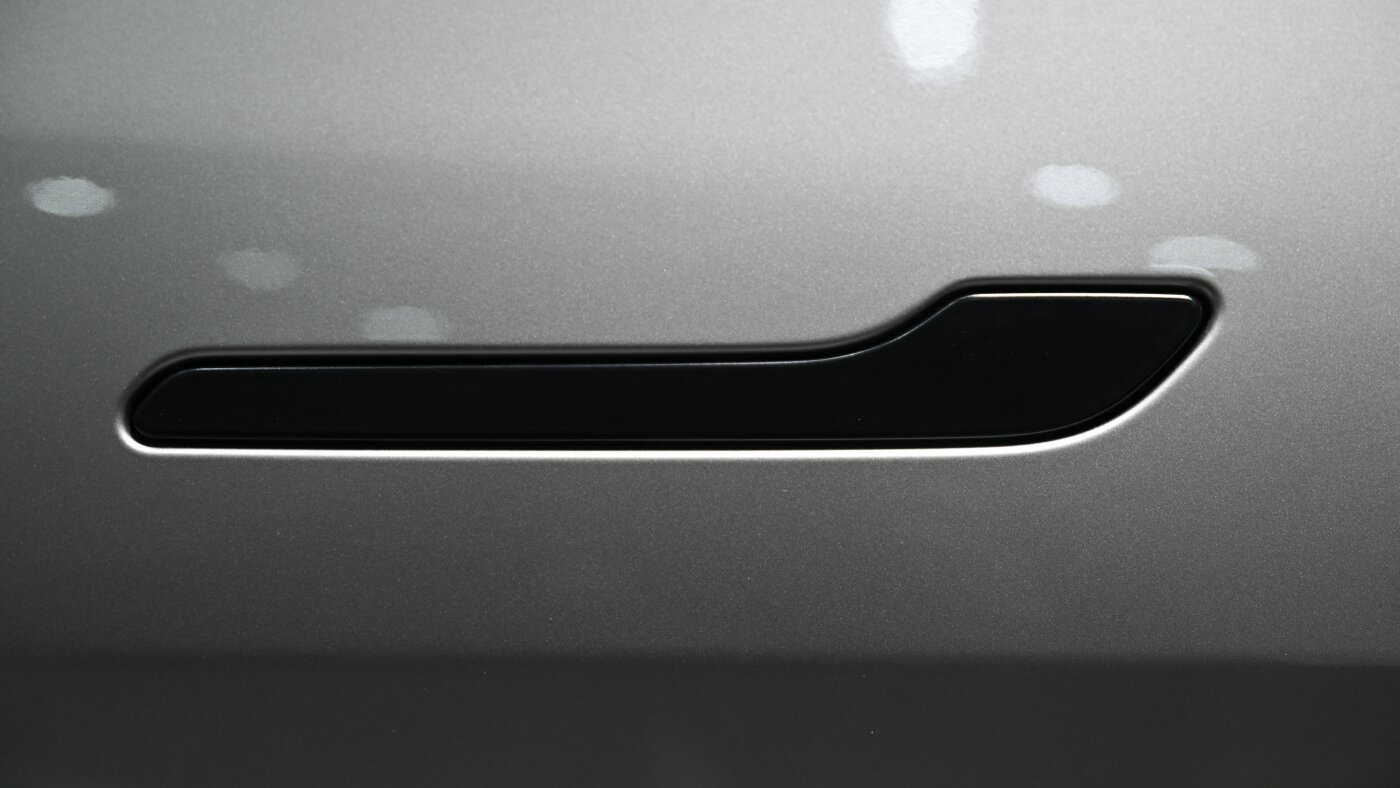
China bans hidden car door handles, which can trap people after crashesImage Credit: NPR News
Key Points
- •BEIJING – In a landmark move with significant repercussions for the global automotive industry, China has become the first nation to mandate a fundamental redesign of a popular, futuristic car feature. The new regulations, set to take effect in 2027, will effectively ban electronic door handles that lack a mechanical override, a design choice that has been linked to fatalities where occupants were trapped inside vehicles after a crash.
- •Why it matters: China's action sets a powerful precedent in the world's largest and most competitive auto market, forcing a reckoning between cutting-edge design and foundational safety principles.
- •Global Standard-Setter: As the first country to legislate a solution, China is positioning itself as a leader in next-generation vehicle safety, potentially influencing regulations in other major markets like the European Union and the United States.
- •Industry-Wide Impact: This is not a single-company issue. While Tesla pioneered the design, dozens of automakers have followed suit. In the U.S., brands like Audi, BMW, Ford, Genesis, and Volvo feature models with electronic handles. In China, the Financial Times reports that nearly all top EV manufacturers, including Xiaomi, BYD, and Nio, sell vehicles with the retractable design.
- •The Human Cost: The stakes are life and death. An investigation by Bloomberg News identified at least 15 fatalities linked to crashes where a Tesla's doors failed to open, including incidents where occupants were unable to escape from the inside.
China Bans Hidden Car Door Handles, Citing Risk of Trapping Occupants After Crashes
BEIJING – In a landmark move with significant repercussions for the global automotive industry, China has become the first nation to mandate a fundamental redesign of a popular, futuristic car feature. The new regulations, set to take effect in 2027, will effectively ban electronic door handles that lack a mechanical override, a design choice that has been linked to fatalities where occupants were trapped inside vehicles after a crash.
The decision, announced by China's Ministry of Industry and Information Technology, directly targets the sleek, retractable door handles popularized by Tesla and widely adopted by both international and domestic automakers. While prized for their aesthetic appeal and aerodynamic benefits, these electronic systems have a critical vulnerability: they can fail to operate following a collision or a complete loss of battery power, sealing occupants inside and preventing first responders from gaining access.
The Big Picture
The rise of flush, pop-out door handles has been a defining design trend of the electric vehicle era. However, a growing body of evidence, including investigative reports and government probes, has highlighted the severe safety risks they pose in an emergency.
Why it matters: China's action sets a powerful precedent in the world's largest and most competitive auto market, forcing a reckoning between cutting-edge design and foundational safety principles.
-
Global Standard-Setter: As the first country to legislate a solution, China is positioning itself as a leader in next-generation vehicle safety, potentially influencing regulations in other major markets like the European Union and the United States.
-
Industry-Wide Impact: This is not a single-company issue. While Tesla pioneered the design, dozens of automakers have followed suit. In the U.S., brands like Audi, BMW, Ford, Genesis, and Volvo feature models with electronic handles. In China, the Financial Times reports that nearly all top EV manufacturers, including Xiaomi, BYD, and Nio, sell vehicles with the retractable design.
-
The Human Cost: The stakes are life and death. An investigation by Bloomberg News identified at least 15 fatalities linked to crashes where a Tesla's doors failed to open, including incidents where occupants were unable to escape from the inside.
China's New Mandate
The Chinese government's new rules are direct and unambiguous, addressing failures of both exterior and interior handles. The Ministry's infographic, posted to the social media platform Weibo, cited the need to address "inconvenient operation of exterior door handles and inability to open them after an accident."
What the Rules Require
The regulations, which will apply to all new vehicles sold in China starting in 2027, create two clear requirements for fail-safe mechanisms.
-
Exterior Handles: Vehicles must be designed so that users and emergency personnel "can mechanically open car doors using the exterior handles" even in the event of a power failure or post-collision disaster, such as a battery fire. This necessitates a physical linkage that is not dependent on electricity.
-
Interior Releases: For interior handles that can lose functionality "under certain circumstances," the new rules demand that mechanical releases be located where they are "not obstructed by other parts of the car and visible" to the passenger. This addresses complaints that manual overrides in some vehicles are hidden or difficult to access in a crisis. For instance, in some Tesla models, manually opening a rear door requires removing a speaker grille and pulling a hidden cable.
The Catalyst
While international scrutiny has been mounting for years, a high-profile domestic incident brought the issue to a head in China. A fatal crash last year involving a Xiaomi SU7, the tech giant's first foray into the EV market, reportedly left the driver trapped by inoperable doors, sparking public outrage and intensifying regulatory focus.
A Problem Spanning Continents
China's decisive action comes as regulators in the United States are grappling with the same safety concerns, signaling a parallel track of pressure on automakers.
Scrutiny in the United States
The National Highway Traffic Safety Administration (NHTSA) is actively investigating the risks associated with electronic door mechanisms. Though the agency does not comment on open investigations, its public actions paint a clear picture of growing concern.
-
Tesla Model Y: NHTSA has an open investigation into reports of exterior door handles failing on the 2021 Tesla Model Y.
-
Tesla Model 3: The agency is also evaluating a formal petition to investigate the interior door releases on the Tesla Model 3, which can pose a hazard in a power failure. Drivers have complained that the small, unmarked manual lever is difficult to find and operate during an emergency.
-
Broader Issue: NHTSA's focus extends beyond Tesla, with an ongoing investigation into electronic door handles on the Dodge Journey. The agency has also previously influenced recalls for similar defects in vehicles from Ford and Fisker.
Legislative Pressure
The issue has also reached the U.S. Congress. A bipartisan bill was introduced in the House of Representatives last month that would require automakers to include a fail-safe manual release for interior doors and a standardized method for rescue workers to enter a vehicle from the outside.
The Business Implications
For an industry already navigating a complex transition to electric mobility, China's regulation introduces a significant new engineering and compliance challenge.
-
Redesign and Costs: Automakers have less than three years to re-engineer, test, and retool production for all models sold in China. This will incur substantial R&D and manufacturing costs, impacting both global giants like Volkswagen and General Motors and domestic champions like BYD.
-
A Diverging Market?: The U.S. and Chinese auto markets operate in largely separate spheres due to significant tariffs and technology restrictions. This means China's rule does not automatically apply to cars sold in the U.S. However, automakers dislike producing different versions of the same vehicle for different regions, as it adds complexity and cost.
-
The Path of Least Resistance: Faced with regulatory pressure in China and mounting scrutiny in the U.S. and likely Europe, many automakers may opt to engineer a single, globally compliant design that incorporates mechanical overrides as a standard feature. This would streamline production and preempt future regulations in other markets.
The Bottom Line
Beijing's mandate represents a critical inflection point in modern automotive design, forcing the industry to prioritize a fundamental safety function over a popular aesthetic trend. While the sleek look of hidden handles helped define a new era of car design, regulators are now declaring that form cannot come at the expense of function, especially when lives are at risk.
The 2027 deadline provides a clear timeline for the industry to adapt. The key question now is not if, but how quickly other global regulators will follow China's lead, potentially making mechanical door handle overrides the next universal safety standard for all vehicles, electric and otherwise.
Source: NPR News
Related Articles
Nationwide Protests Against ICE Enforcement Erupt in U.S.
Thousands are protesting ICE after the DOJ declined to investigate a fatal agent-involved shooting in Minneapolis, fueling a national movement and public anger.
Venezuela Amnesty Bill Could Free Political Prisoners
Learn about Venezuela's proposed amnesty bill to release political prisoners. The move could signal a major political shift and affect future economic sanctions
Pokémon Cancels Yasukuni Shrine Event After Backlash
The Pokémon Company has canceled an event at Tokyo's controversial Yasukuni Shrine after facing international backlash from China and South Korea.
US to Lose Measles Elimination Status: What It Means
The U.S. is poised to lose its measles elimination status due to escalating outbreaks. Learn what this downgrade means for public health and the economy.