China Bans Hidden Car Door Handles Over Safety Concerns
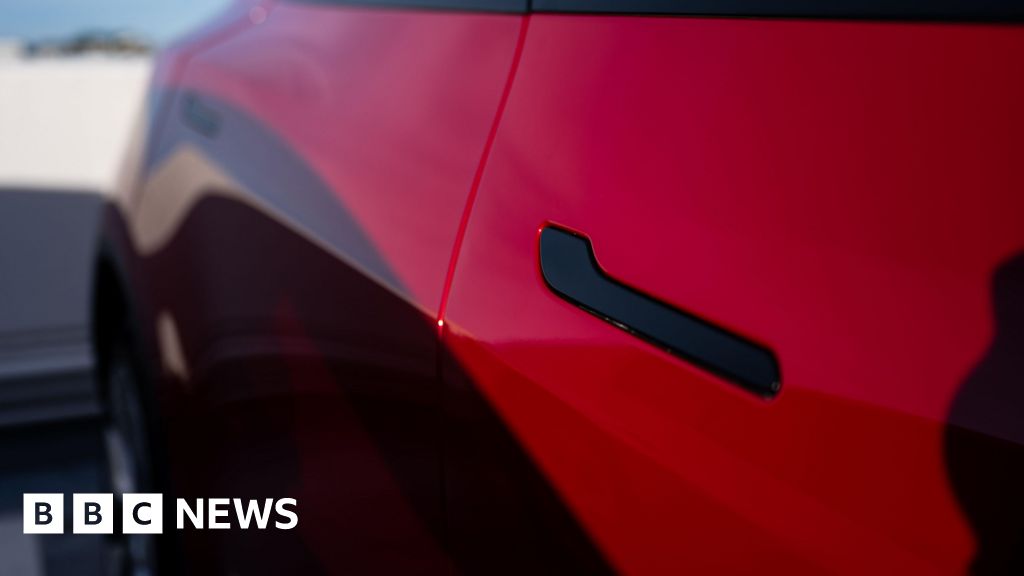
China bans hidden car door handles over safety concernsImage Credit: BBC Business (Finance)
Key Points
- •BEIJING – In a decisive move that prioritizes safety over modern design aesthetics, Chinese regulators have issued a new mandate effectively banning flush, pop-out, and other "hidden" car door handles. The regulation, reported by state media, will have significant and immediate repercussions for dozens of global and domestic automakers, potentially forcing costly redesigns and altering a key feature of many popular electric vehicles (EVs).
- •The Core Requirement: Under the new rules, all new cars sold in China must be equipped with door handles that feature a mechanical release mechanism, accessible from both the outside and the inside of the vehicle. This ensures doors can be opened even if the car's electronic systems or main power supply fails.
- •First Responder Access: In the event of a serious collision, a vehicle's power is often automatically cut or manually severed by first responders to prevent electrical fires. In such a scenario, electronic door handles may fail to operate, forcing firefighters and paramedics to waste critical time breaking windows or using heavy equipment to access injured occupants.
- •Vehicle Power Failure: A simple dead battery, whether from malfunction or an extended period of disuse, could render a car with electronic handles inaccessible from the outside, effectively locking the owner out. More critically, it could trap occupants inside if the internal electronic release also fails.
- •Environmental Factors: Reports from colder climates have highlighted instances where pop-out handle mechanisms can become frozen shut due to ice and snow, preventing owners from entering their vehicles. The new rule ensures a mechanical backup would circumvent this issue.
China Bans Hidden Car Door Handles Over Safety Concerns
BEIJING – In a decisive move that prioritizes safety over modern design aesthetics, Chinese regulators have issued a new mandate effectively banning flush, pop-out, and other "hidden" car door handles. The regulation, reported by state media, will have significant and immediate repercussions for dozens of global and domestic automakers, potentially forcing costly redesigns and altering a key feature of many popular electric vehicles (EVs).
The new rules, which will reshape product offerings in the world's largest automotive market, signal a growing regulatory focus on the practical safety implications of new car technologies. For manufacturers who have championed these sleek designs as a hallmark of innovation and aerodynamic efficiency, this represents a major operational and strategic challenge.
The New Mandate: A Closer Look
The regulation is straightforward and leaves little room for interpretation. It targets the potential for occupants to be trapped in a vehicle or for first responders to be delayed in an emergency.
- The Core Requirement: Under the new rules, all new cars sold in China must be equipped with door handles that feature a mechanical release mechanism, accessible from both the outside and the inside of the vehicle. This ensures doors can be opened even if the car's electronic systems or main power supply fails.
This mandate directly addresses a critical flaw in many existing hidden handle designs, which rely primarily on the vehicle's battery power to present the handle to the user or to unlatch the door.
The 'Why' Behind the Ban: Prioritizing Emergency Access
The regulatory clampdown stems from a series of documented safety risks that have gained prominence as EVs and their futuristic designs have become more common. Regulators and emergency services have voiced growing concerns over scenarios where seconds can mean the difference between life and death.
Key Safety Concerns Addressed:
-
First Responder Access: In the event of a serious collision, a vehicle's power is often automatically cut or manually severed by first responders to prevent electrical fires. In such a scenario, electronic door handles may fail to operate, forcing firefighters and paramedics to waste critical time breaking windows or using heavy equipment to access injured occupants.
-
Vehicle Power Failure: A simple dead battery, whether from malfunction or an extended period of disuse, could render a car with electronic handles inaccessible from the outside, effectively locking the owner out. More critically, it could trap occupants inside if the internal electronic release also fails.
-
Environmental Factors: Reports from colder climates have highlighted instances where pop-out handle mechanisms can become frozen shut due to ice and snow, preventing owners from entering their vehicles. The new rule ensures a mechanical backup would circumvent this issue.
-
Submersion Incidents: In tragic cases where a vehicle is submerged in water, the electrical system is almost certain to short-circuit. A mechanical handle provides a vital, non-electronic means of escape for those inside.
Ripple Effects Across the Global Auto Industry
This regulation is not a targeted strike against a single company but a broad-based policy that affects a wide swath of the industry, from established luxury brands to agile EV startups. The financial and logistical impacts will be substantial.
Who is Affected:
-
Global EV Leaders: Tesla, a pioneer of the flush door handle with its Model S, 3, X, and Y, will be significantly impacted. China is Tesla's second-largest market and a major manufacturing hub for the company.
-
Legacy Automakers: Brands like Mercedes-Benz (with its EQS and other EQ models), Jaguar Land Rover, and Porsche have integrated similar designs into their premium and electric lineups to convey a sense of modern luxury.
-
Domestic Chinese Giants: This is not a protectionist measure. China's own thriving EV manufacturers, such as Nio, Xpeng, BYD, and Li Auto, have widely adopted hidden handles as a design staple. They will face the same redesign requirements as their foreign competitors.
Financial and Operational Implications:
-
Redesign and Re-tooling Costs: Automakers will have to invest heavily in re-engineering door assemblies for all affected models sold in China. This involves not just the handle itself but also the internal latching mechanisms, door panels, and associated electronics. These costs can run into the tens of millions of dollars per model line.
-
Supply Chain Adjustments: Companies must now source or develop new components that meet the mechanical-release standard. This could lead to short-term supply chain disruptions as they vet and contract new suppliers or adjust production with existing ones.
-
Impact on Aerodynamics and Efficiency: Flush handles are often marketed as improving a vehicle's aerodynamic profile, thereby reducing drag and slightly increasing an EV's range. While the real-world impact is often debated and relatively small, a switch to conventional handles removes a key marketing and engineering talking point.
The Road Ahead: Compliance and Innovation
For automakers, the path forward is clear: compliance is not optional. The industry is now awaiting further clarification from Chinese ministries on the exact implementation date and whether the rule will apply to vehicles already in production or only to newly introduced models.
This move by Beijing is a powerful reminder that as automotive technology advances, regulators globally are intensifying their scrutiny to ensure fundamental safety principles are not compromised in the pursuit of style or marginal efficiency gains. The industry's response will likely involve a pivot toward hybrid solutions—designs that offer a sleek appearance while incorporating a non-obvious but easily accessible mechanical override.
Ultimately, the Chinese mandate may set a new global precedent, forcing a widespread industry rethink of a design feature that has, until now, been a symbol of the automotive future.
Source: BBC Business (Finance)
Related Articles
Nationwide Protests Against ICE Enforcement Erupt in U.S.
Thousands are protesting ICE after the DOJ declined to investigate a fatal agent-involved shooting in Minneapolis, fueling a national movement and public anger.
Venezuela Amnesty Bill Could Free Political Prisoners
Learn about Venezuela's proposed amnesty bill to release political prisoners. The move could signal a major political shift and affect future economic sanctions
Pokémon Cancels Yasukuni Shrine Event After Backlash
The Pokémon Company has canceled an event at Tokyo's controversial Yasukuni Shrine after facing international backlash from China and South Korea.
US to Lose Measles Elimination Status: What It Means
The U.S. is poised to lose its measles elimination status due to escalating outbreaks. Learn what this downgrade means for public health and the economy.