China Bans Flush Car Door Handles, Citing Crash Safety
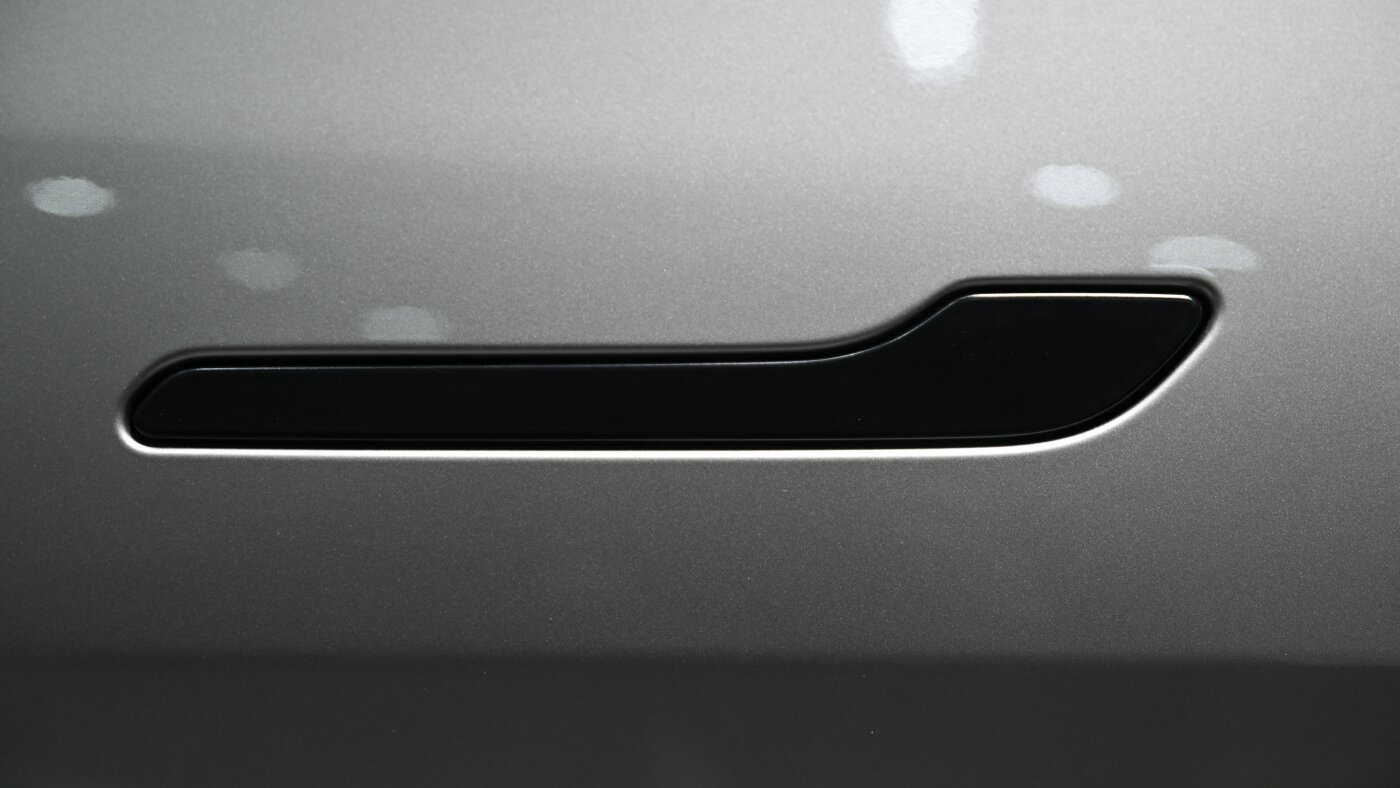
China bans hidden car door handles, which can trap people after crashesImage Credit: NPR Business
Key Points
- •BEIJING – In a landmark regulatory move with significant implications for the global automotive industry, China has mandated a sweeping change to vehicle design, effectively banning the flush, electronically-powered door handles that have become a hallmark of modern electric vehicles. The new rules, set to take effect in 2027, prioritize post-crash safety and rescue accessibility over the aerodynamic and aesthetic benefits that have driven the trend.
- •Exterior Handles: The rules will compel automakers to design vehicles "such that users can mechanically open car doors using the exterior handles." This ensures a non-electronic method for entry, which is critical for rescue personnel in scenarios like a battery fire or submersion where a vehicle's electrical system is compromised.
- •Interior Handles: For interior releases, which can also lose power, the mandate requires that any manual release mechanism be located where it is "not obstructed by other parts of the car and visible" to passengers. This addresses complaints that emergency releases in some current models are hidden, unmarked, or difficult to access in a crisis. For example, some Tesla models require passengers to remove a speaker cover and pull a cable to manually open the rear doors.
- •Investigative Scrutiny: A September 2023 investigative report from Bloomberg News highlighted how Tesla's powered doors could become inoperable from the outside after a crash, forcing first responders to waste precious time breaking windows to extract victims.
- •Fatal Incidents: The Bloomberg report identified 15 deaths linked to crashes where a Tesla's doors failed to open. The issue is not limited to external access; in some cases, occupants were reportedly unable to escape from the inside. The problem gained further attention in China last year after a fatal crash involving a Xiaomi vehicle, where the driver was allegedly trapped by inoperable doors.
China Bans Hidden Car Door Handles, Citing Post-Crash Safety Risks
BEIJING – In a landmark regulatory move with significant implications for the global automotive industry, China has mandated a sweeping change to vehicle design, effectively banning the flush, electronically-powered door handles that have become a hallmark of modern electric vehicles. The new rules, set to take effect in 2027, prioritize post-crash safety and rescue accessibility over the aerodynamic and aesthetic benefits that have driven the trend.
The decision, announced by China's Ministry of Industry and Information Technology (MIIT), makes it the first nation to formally address the growing safety concerns surrounding these futuristic designs. The core of the new regulation is a simple but profound requirement: all new vehicles must be equipped with exterior door handles that can be operated mechanically, ensuring first responders and occupants can open doors even if a vehicle's power systems fail after a collision.
This move directly targets a design flaw that has come under intense international scrutiny. While popularized by Tesla, retractable door handles have been widely adopted by numerous automakers, including many of China’s leading domestic EV brands. The handles lie flush with the car's body and pop out electronically when a key fob is near, but this dependence on electricity creates a critical vulnerability in an accident or power failure, potentially trapping occupants inside a damaged vehicle.
The new standard is poised to force a costly wave of redesigns for automakers operating in the world's largest auto market and sets a powerful precedent that safety regulators in the U.S. and Europe will be under pressure to follow.
The New Mandate: Prioritizing Mechanical Fail-Safes
In an infographic released on the social media platform Weibo, the MIIT detailed the rationale and specifics of the new rules, citing the need to address "inconvenient operation of exterior door handles and inability to open them after an accident."
The regulation establishes two clear requirements for all new vehicles sold in China starting in 2027.
-
Exterior Handles: The rules will compel automakers to design vehicles "such that users can mechanically open car doors using the exterior handles." This ensures a non-electronic method for entry, which is critical for rescue personnel in scenarios like a battery fire or submersion where a vehicle's electrical system is compromised.
-
Interior Handles: For interior releases, which can also lose power, the mandate requires that any manual release mechanism be located where it is "not obstructed by other parts of the car and visible" to passengers. This addresses complaints that emergency releases in some current models are hidden, unmarked, or difficult to access in a crisis. For example, some Tesla models require passengers to remove a speaker cover and pull a cable to manually open the rear doors.
A Problem Spurred by Innovation
The trend toward electronic and retractable handles was driven by a desire for improved aerodynamics—which can marginally increase an EV's range—and a sleek, minimalist aesthetic. However, a series of tragic incidents and investigative reports brought the potential dangers to the forefront.
-
Investigative Scrutiny: A September 2023 investigative report from Bloomberg News highlighted how Tesla's powered doors could become inoperable from the outside after a crash, forcing first responders to waste precious time breaking windows to extract victims.
-
Fatal Incidents: The Bloomberg report identified 15 deaths linked to crashes where a Tesla's doors failed to open. The issue is not limited to external access; in some cases, occupants were reportedly unable to escape from the inside. The problem gained further attention in China last year after a fatal crash involving a Xiaomi vehicle, where the driver was allegedly trapped by inoperable doors.
-
Industry-Wide Trend: While Tesla is the most prominent user of this design, the practice is widespread. According to Consumer Reports, models from Audi, BMW, Chevrolet, Ford, Genesis, Lexus, and Volvo, among others, feature some form of electronic door handle. The Financial Times noted that "almost all" of China's top EV manufacturers sell models with similar retractable handles, making the new regulation particularly impactful for the domestic market.
U.S. Regulators and Lawmakers Take Notice
While China has moved decisively to create a new binding rule, regulators in the United States are still in the investigative phase, though pressure is mounting.
The National Highway Traffic Safety Administration (NHTSA) has several open inquiries related to electronic door handle failures.
-
Active Investigations: Days after the Bloomberg report, NHTSA opened a formal investigation into reports of exterior door handle failures on the 2021 Tesla Model Y. The agency is also investigating a similar electronic issue in the Dodge Journey and is evaluating a petition to investigate Tesla Model 3 interior door releases, which drivers have complained are hard to find in an emergency.
-
Legislative Action: In a sign of growing political concern, a bipartisan bill was introduced in the U.S. House of Representatives last month. The proposed legislation would require automakers to include a manual, fail-safe release for interior doors and a method for rescue workers to easily enter a vehicle from the outside.
NHTSA has previously influenced recalls for electronic door handle defects in Ford and Fisker vehicles, but China's move from investigation to nationwide regulation represents a far more aggressive approach to a systemic safety issue.
Implications and The Road Ahead
China's new rule will have a direct and immediate impact on any global automaker wishing to sell vehicles in its vast market. Companies will need to invest in research and development to redesign affected models, potentially altering their core design language and incurring significant retooling costs.
However, the regulation's direct impact on the U.S. market will be limited. The U.S. and Chinese auto markets operate as largely separate ecosystems, shaped by heavy U.S. tariffs on Chinese-made vehicles and prohibitions on cars containing certain Chinese technologies. These policies effectively block most Chinese vehicles from being sold in the United States.
The most significant long-term consequence may be the precedent it sets. By codifying a solution to a known safety risk, China has put a global spotlight on the issue and increased pressure on other regulatory bodies, including NHTSA and its European counterparts, to take similar action. For an industry racing toward an electric and software-defined future, Beijing's mandate is a powerful reminder that fundamental mechanical safety cannot be sacrificed for digital-age aesthetics.
Source: NPR Business
Related Articles
Nationwide Protests Against ICE Enforcement Erupt in U.S.
Thousands are protesting ICE after the DOJ declined to investigate a fatal agent-involved shooting in Minneapolis, fueling a national movement and public anger.
Venezuela Amnesty Bill Could Free Political Prisoners
Learn about Venezuela's proposed amnesty bill to release political prisoners. The move could signal a major political shift and affect future economic sanctions
Pokémon Cancels Yasukuni Shrine Event After Backlash
The Pokémon Company has canceled an event at Tokyo's controversial Yasukuni Shrine after facing international backlash from China and South Korea.
US to Lose Measles Elimination Status: What It Means
The U.S. is poised to lose its measles elimination status due to escalating outbreaks. Learn what this downgrade means for public health and the economy.