Chuck Norris, martial artist and action star, dies at 86
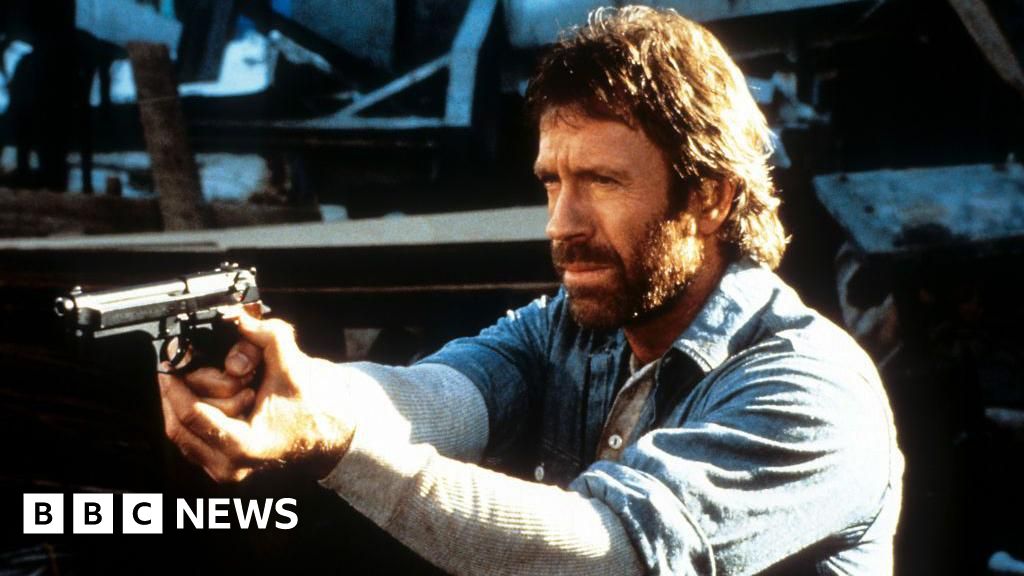
Chuck Norris, martial artist and Hollywood movie star, dies aged 86Image Credit: BBC News
Key Points
- •SOURCE: BBC News
- •Martial Arts Foundation: Norris's business journey began with a chain of karate schools. He founded his own martial art, Chun Kuk Do ("The Universal Way"), in 1990, which codified his fighting philosophy and created a durable, franchisable system that continues to operate globally.
- •Film and Television Dominance: While his movies with Cannon Films in the 1980s were highly profitable, his starring role in "Walker, Texas Ranger" (1993-2001) turned him into a financial powerhouse. The show's longevity, coupled with lucrative international syndication and streaming rights, generated hundreds of millions of dollars and cemented his image as an American icon.
- •The Endorsement King: For decades, Norris was a highly sought-after product endorser. His most famous partnership was with Total Gym, a home fitness machine he promoted for over 30 years in ubiquitous infomercials, driving billions in sales. He also lent his name to Glock firearms, T-Mobile, and Fiat, among others, always leveraging his reputation for strength and reliability.
- •A Digital Phenomenon: In the early 2000s, Norris achieved a new level of fame through "Chuck Norris facts," a viral internet meme that attributed absurd, superhuman feats to him. Instead of fighting it, Norris embraced the trend with characteristic shrewdness. He published "The Official Chuck Norris Fact Book" and referenced the jokes in commercials, ingeniously capitalizing on a marketing engine that cost him nothing and introduced his brand to a new generation.
Chuck Norris, martial artist and Hollywood movie star, dies aged 86
SOURCE: BBC News
Chuck Norris, the martial arts titan who parlayed a championship fighting career into a global entertainment and business empire, has died. He was 86. His publicist confirmed the news, stating he passed away peacefully surrounded by family at his ranch in Texas.
Norris was a singular figure in popular culture, a man whose real-life toughness became the foundation for a billion-dollar brand. He transitioned from a celebrated but niche world of professional karate to become one of Hollywood's most bankable action stars, and later, an internet phenomenon. His legacy is not just in film, but in a masterclass of brand management that sustained his relevance for over half a century.
From Fighter to Mogul: The Norris Brand
Long before celebrity-driven business ventures were commonplace, Chuck Norris was building an integrated commercial empire. His on-screen persona—stoic, invincible, and honorable—was a direct extension of his real-world achievements, creating an authentic brand that audiences and consumers trusted.
This empire was built on several key pillars, extending far beyond box office receipts.
-
Martial Arts Foundation: Norris's business journey began with a chain of karate schools. He founded his own martial art, Chun Kuk Do ("The Universal Way"), in 1990, which codified his fighting philosophy and created a durable, franchisable system that continues to operate globally.
-
Film and Television Dominance: While his movies with Cannon Films in the 1980s were highly profitable, his starring role in "Walker, Texas Ranger" (1993-2001) turned him into a financial powerhouse. The show's longevity, coupled with lucrative international syndication and streaming rights, generated hundreds of millions of dollars and cemented his image as an American icon.
-
The Endorsement King: For decades, Norris was a highly sought-after product endorser. His most famous partnership was with Total Gym, a home fitness machine he promoted for over 30 years in ubiquitous infomercials, driving billions in sales. He also lent his name to Glock firearms, T-Mobile, and Fiat, among others, always leveraging his reputation for strength and reliability.
-
A Digital Phenomenon: In the early 2000s, Norris achieved a new level of fame through "Chuck Norris facts," a viral internet meme that attributed absurd, superhuman feats to him. Instead of fighting it, Norris embraced the trend with characteristic shrewdness. He published "The Official Chuck Norris Fact Book" and referenced the jokes in commercials, ingeniously capitalizing on a marketing engine that cost him nothing and introduced his brand to a new generation.
-
Diversified Ventures: In his later years, Norris continued to diversify. He and his wife Gena launched CFORCE, a bottled water company sourcing artesian water from his Texas ranch, and he authored several books, including two New York Times bestsellers.
A Hollywood Legacy Forged in Combat
Norris's entry into Hollywood was a direct result of his martial arts prowess. After retiring as the undefeated Professional Middleweight Karate Champion, he was invited to play the villain opposite his friend and training partner, Bruce Lee, in the 1972 film Way of the Dragon.
The film's climax, a silent, brutal duel in the Roman Colosseum, is considered one of the greatest fight scenes ever filmed. Norris often recounted the directive from Lee that set the tone for the iconic battle.
"And he says, 'I win, I'm the star of this movie'. I say, 'Oh, I see, you want to beat the world champion?' And he said, 'No I don't, I want to kill the world champion'."
The role established Norris as a formidable screen presence. He spent the next decade starring in a string of successful, low-to-mid-budget action films for The Cannon Group, including the Missing in Action trilogy, The Delta Force, and Code of Silence. These films, while not always critical darlings, were commercial hits that defined the 1980s action genre and made Norris an international star.
The Man Behind the Myth
Born Carlos Ray Norris in Ryan, Oklahoma, his early life was marked by poverty and shyness. His quiet demeanor belied a fierce determination that would define his life.
-
Military Service: Norris credited his transformation to his time in the United States Air Force. Stationed at Osan Air Base in South Korea, he began studying Tang Soo Do, earning a black belt and laying the groundwork for his future career.
-
Championship Pedigree: Upon returning to the U.S., Norris dominated the tournament circuit. From 1968 to 1974, he was the undisputed World Professional Middleweight Karate Champion, a title he held until his retirement. His students included celebrities like Steve McQueen, who encouraged him to pursue acting.
-
Philanthropy: In 1990, Norris founded the KICKSTART KIDS foundation. The non-profit organization uses karate to teach character, discipline, and self-esteem to at-risk middle school students. The program has since graduated over 100,000 students in Texas.
The Enduring Impact
Chuck Norris's death marks the end of an era, but his influence is set to endure. He leaves behind not just a filmography, but a blueprint for how an athlete can leverage a specific skill set into a multi-generational, multi-platform brand.
The future of his estate will now be a key focus. The management of the "Chuck Norris" brand, his ongoing business interests like CFORCE, and the licensing of his likeness will determine how his financial legacy evolves.
Ultimately, Norris achieved something few celebrities ever do: he transcended his roles to become a myth. He was a real-life champion who became a fictional hero, and then a digital legend. That progression stands as a unique and powerful case study in the business of fame.
Source: BBC News
Related Articles
Nationwide Protests Against ICE Enforcement Erupt in U.S.
Thousands are protesting ICE after the DOJ declined to investigate a fatal agent-involved shooting in Minneapolis, fueling a national movement and public anger.
Venezuela Amnesty Bill Could Free Political Prisoners
Learn about Venezuela's proposed amnesty bill to release political prisoners. The move could signal a major political shift and affect future economic sanctions
Pokémon Cancels Yasukuni Shrine Event After Backlash
The Pokémon Company has canceled an event at Tokyo's controversial Yasukuni Shrine after facing international backlash from China and South Korea.
US to Lose Measles Elimination Status: What It Means
The U.S. is poised to lose its measles elimination status due to escalating outbreaks. Learn what this downgrade means for public health and the economy.