Congress Passes $50B Foreign Aid Bill, Defies Trump Cuts
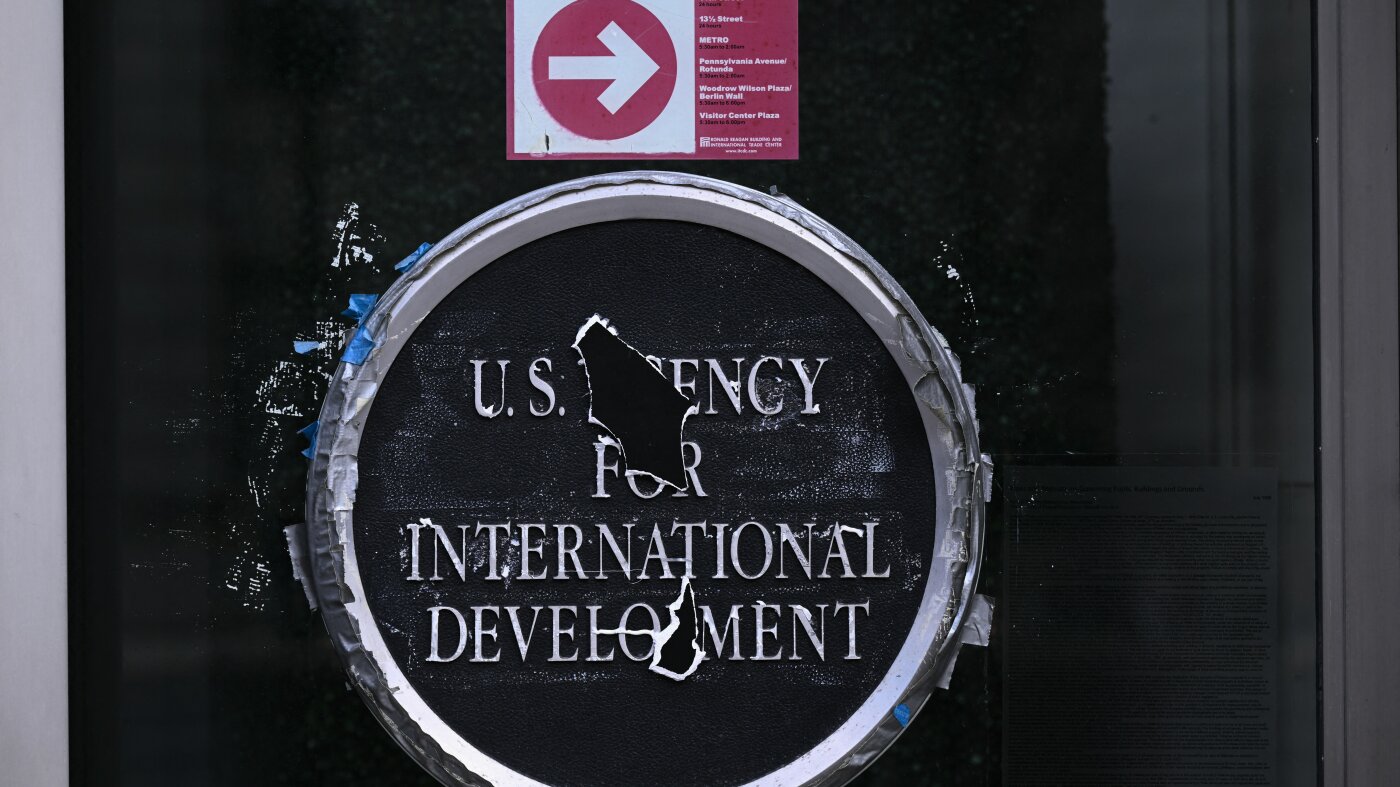
Congress passes $50 billion foreign aid bill, despite Trump's cuts in 2025Image Credit: NPR News
Key Points
- •WASHINGTON – In a significant bipartisan rebuke of the White House's recent foreign policy direction, Congress has passed and President Trump has signed a major spending bill that allocates $50 billion for foreign aid in fiscal year 2026. The move marks a dramatic reversal from 2025, when the administration dismantled key aid infrastructure and clawed back billions in congressionally approved funds.
- •Bipartisan Concern: "The surprising factor is that you see Congress, in a bipartisan fashion, saying 'we want to fund foreign assistance,' from global health to food security to even democracy support, which has been much maligned by the Trump administration," notes Jonathan Katz, a fellow at the Brookings Institution and a former USAID official.
- •Geopolitical Competition: A key driver behind the reversal is the fear that a U.S. pullback creates a vacuum that strategic rivals, particularly China, are eager to fill. A reduction in American soft power, experts warn, could cede influence and allow other nations to shape global norms and alliances.
- •National Security Imperative: Proponents of the bill, including senior Republicans, framed the funding as a crucial tool for national security. "We counter our foes and stand with our friends. And we reinforce democracy and human rights efforts," wrote Rep. Tom Cole (R-Okla.) in a statement. "Focused security and economic investments keep Americans safe and maintain our global edge."
- •Security Assistance: A significant portion is dedicated to military and security aid for key strategic allies, including Egypt, Israel, and Taiwan, underscoring the bill's national security framing.
Congress Passes $50 Billion Foreign Aid Bill, Defying Trump's 'America First' Cuts
WASHINGTON – In a significant bipartisan rebuke of the White House's recent foreign policy direction, Congress has passed and President Trump has signed a major spending bill that allocates $50 billion for foreign aid in fiscal year 2026. The move marks a dramatic reversal from 2025, when the administration dismantled key aid infrastructure and clawed back billions in congressionally approved funds.
The legislation, which funds the government through September 30, represents a direct challenge to the administration's proposed budget, which had signaled a desire for far deeper cuts. While the $50 billion figure is a 16% reduction from the baseline levels of 2025, it restores substantial funding to programs the White House had targeted for elimination, signaling a clear assertion of congressional authority in the foreign policy arena.
Why It Matters: A Rebuke of 'America First' Foreign Policy
The bill stands in stark contrast to the administration's actions in 2025, which were characterized by a sharp pivot toward an isolationist "America First" stance. This included the shuttering of the 64-year-old U.S. Agency for International Development (USAID) and the return of billions in earmarked funds, moves largely approved by the Republican-led Congress at the time.
Analysts suggest the new bill reflects a growing "buyer's remorse" on Capitol Hill, driven by concerns over the real-world consequences of America's withdrawal from the global stage.
-
Bipartisan Concern: "The surprising factor is that you see Congress, in a bipartisan fashion, saying 'we want to fund foreign assistance,' from global health to food security to even democracy support, which has been much maligned by the Trump administration," notes Jonathan Katz, a fellow at the Brookings Institution and a former USAID official.
-
Geopolitical Competition: A key driver behind the reversal is the fear that a U.S. pullback creates a vacuum that strategic rivals, particularly China, are eager to fill. A reduction in American soft power, experts warn, could cede influence and allow other nations to shape global norms and alliances.
-
National Security Imperative: Proponents of the bill, including senior Republicans, framed the funding as a crucial tool for national security. "We counter our foes and stand with our friends. And we reinforce democracy and human rights efforts," wrote Rep. Tom Cole (R-Okla.) in a statement. "Focused security and economic investments keep Americans safe and maintain our global edge."
Drilling Down: Where the Money Is Going
The $50 billion package is a complex mix of security, diplomatic, and humanitarian initiatives. It restores funding to many traditional aid pillars while also reflecting some of the administration's priorities.
-
Security Assistance: A significant portion is dedicated to military and security aid for key strategic allies, including Egypt, Israel, and Taiwan, underscoring the bill's national security framing.
-
Global Health: The bill allocates a robust $9.4 billion for global health programs. This funding, largely consistent with previous years' levels, targets diseases like HIV/AIDS and malaria and supports maternal and child health initiatives. This high level of funding surprised some conservative observers.
-
Democracy and Development: The package includes money for initiatives aimed at supporting democracy, U.S. embassy operations, and scholarship programs. The explicit funding for democracy support is notable given the administration's past criticism of such efforts.
-
Humanitarian Aid: Aid groups, while welcoming the overall package, noted that funding for direct humanitarian assistance is reduced compared to previous years. "Strong, transparent and effective assistance helps to save lives, prevent conflict and displacement," said Christy Gleason, Chief Policy Officer for Save the Children, acknowledging the need for robust support even with the noted reductions.
A Divided Right: Not All Conservatives on Board
Despite the bipartisan support for the bill's passage, its contents have drawn criticism from fiscal conservatives and supporters of the administration's new foreign aid model. This model, the "America First Global Health Strategy," prioritizes bilateral deals with individual countries, requires partner governments to co-invest, and seeks to create opportunities for American businesses.
Max Primorac, an analyst with the Heritage Foundation and a former senior USAID official, argues that Congress has allocated too much.
-
Fiscal Concerns: "It's always the problem of overfunding," Primorac stated. "[Congress] doesn't seem to be aware that we just don't have money to spend like we did before." He contends the bill perpetuates a taxpayer-funded "industry" that is bloated and inefficient.
-
Conservative "Wins": Primorac did, however, point to elements in the bill that align with a more conservative vision. He noted the absence of funding for programs focused on gender equality, LGBTQ issues, and climate change, as well as reduced overall funding for United Nations agencies.
The Bottom Line
The passage and signing of the $50 billion foreign aid package represents a critical moment in the ongoing tug-of-war between the legislative and executive branches over the direction of U.S. foreign policy. While President Trump signed the bill, likely to avoid a government shutdown, it contains provisions that directly contradict his administration's stated goals and past actions.
The bill signals that a bipartisan coalition in Congress believes that deep cuts to foreign aid have harmed U.S. interests, weakened its global standing, and created opportunities for adversaries. For now, this coalition has successfully used its power of the purse to reassert a more traditional, engagement-focused foreign policy. The key question moving forward is whether this consensus will hold in future budget battles, or if the administration will find alternative means to pursue its "America First" agenda on the world stage.
Source: NPR News
Related Articles
Nationwide Protests Against ICE Enforcement Erupt in U.S.
Thousands are protesting ICE after the DOJ declined to investigate a fatal agent-involved shooting in Minneapolis, fueling a national movement and public anger.
Venezuela Amnesty Bill Could Free Political Prisoners
Learn about Venezuela's proposed amnesty bill to release political prisoners. The move could signal a major political shift and affect future economic sanctions
Pokémon Cancels Yasukuni Shrine Event After Backlash
The Pokémon Company has canceled an event at Tokyo's controversial Yasukuni Shrine after facing international backlash from China and South Korea.
US to Lose Measles Elimination Status: What It Means
The U.S. is poised to lose its measles elimination status due to escalating outbreaks. Learn what this downgrade means for public health and the economy.