Ricky Hatton Inquest Rules Out Suicide in Official Verdict
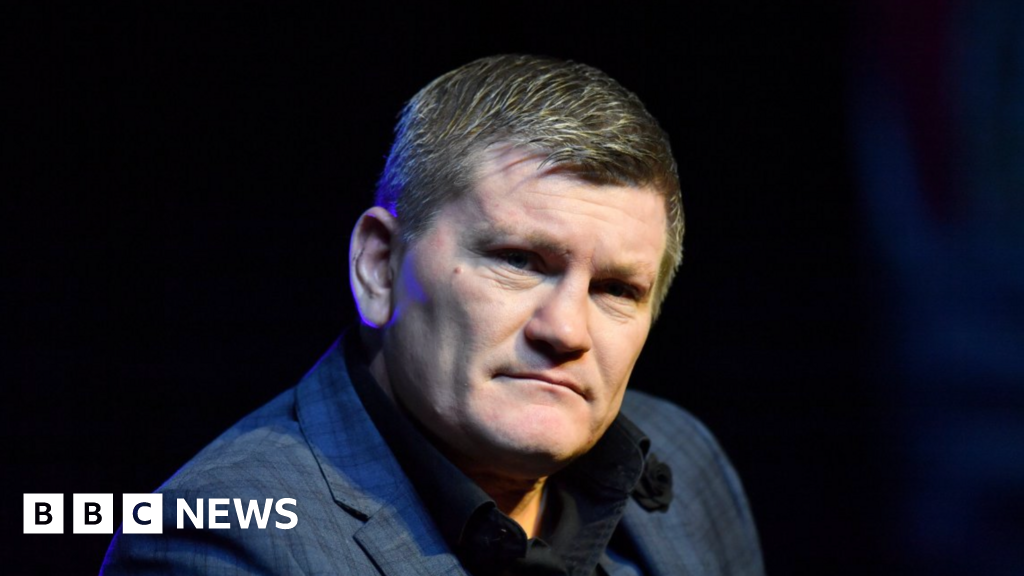
Coroner 'not satisfied' Ricky Hatton intended to take own lifeImage Credit: BBC News
Key Points
- •MANCHESTER – A coroner's court has concluded it could not be certain that celebrated British boxer Ricky Hatton intended to take his own life, a ruling with significant legal and financial implications for the late athlete's multi-million-pound estate. The verdict, delivered after a full inquest, provides a crucial distinction that will shape the settlement of his extensive financial affairs, including life insurance policies and the ongoing value of his commercial brand.
- •Coroner's Conclusion: Alison Mutch's official record will state the factual sequence of events leading to Hatton's death but will not classify it as suicide due to insufficient evidence to meet the required standard of proof regarding his intent.
- •Standard of Proof: To record a conclusion of suicide, a coroner must be satisfied, on the balance of probabilities, that the deceased took their own life and intended to do so. Mutch's statement confirms this threshold was not met.
- •Life Insurance Policies: This is the most significant financial implication. Many life insurance contracts contain "suicide clauses," which can invalidate a policy or refuse a payout if the holder dies by suicide within a specified period (typically one to two years) of the policy's inception. Even on older policies, a suicide finding can trigger complex reviews. The coroner's inability to confirm intent substantially strengthens the position of Hatton's beneficiaries to receive a full payout without legal contest from insurers.
- •Estate Settlement: The verdict provides legal clarity for the executors managing Hatton's assets. A suicide verdict can sometimes complicate probate, whereas a narrative conclusion simplifies the process of valuing the estate, settling liabilities, and distributing assets according to his will.
Coroner 'not satisfied' Ricky Hatton intended to take own life
MANCHESTER – A coroner's court has concluded it could not be certain that celebrated British boxer Ricky Hatton intended to take his own life, a ruling with significant legal and financial implications for the late athlete's multi-million-pound estate. The verdict, delivered after a full inquest, provides a crucial distinction that will shape the settlement of his extensive financial affairs, including life insurance policies and the ongoing value of his commercial brand.
Alison Mutch, senior coroner for Manchester South, stated that while she was "satisfied that Hatton had carried out the acts which led to his death," she ultimately "could not be sure he intended to take his own life." This narrative conclusion stops short of a definitive suicide verdict, a legal nuance that carries considerable weight in the financial world.
The Verdict and Its Immediate Meaning
The inquest, held at Manchester South Coroner's Court in Stockport, meticulously reviewed the circumstances surrounding the former two-weight world champion's death. The coroner's role is not to assign blame but to establish the facts: who the deceased was, and how, when, and where they died.
In cases where intent is unclear, coroners may return an "open verdict" or, as in this instance, a "narrative conclusion." This details the factual circumstances of the death without making a definitive judgment on the deceased's state of mind or intent.
- Coroner's Conclusion: Alison Mutch's official record will state the factual sequence of events leading to Hatton's death but will not classify it as suicide due to insufficient evidence to meet the required standard of proof regarding his intent.
- Standard of Proof: To record a conclusion of suicide, a coroner must be satisfied, on the balance of probabilities, that the deceased took their own life and intended to do so. Mutch's statement confirms this threshold was not met.
Critical Financial Ramifications
For a high-net-worth individual like Hatton, the coroner's specific wording has profound financial consequences. The distinction between a narrative conclusion and a suicide verdict directly impacts insurance payouts, estate administration, and brand legacy.
This ruling provides a clearer, and likely more favourable, path forward for the executors of Hatton's estate.
- Life Insurance Policies: This is the most significant financial implication. Many life insurance contracts contain "suicide clauses," which can invalidate a policy or refuse a payout if the holder dies by suicide within a specified period (typically one to two years) of the policy's inception. Even on older policies, a suicide finding can trigger complex reviews. The coroner's inability to confirm intent substantially strengthens the position of Hatton's beneficiaries to receive a full payout without legal contest from insurers.
- Estate Settlement: The verdict provides legal clarity for the executors managing Hatton's assets. A suicide verdict can sometimes complicate probate, whereas a narrative conclusion simplifies the process of valuing the estate, settling liabilities, and distributing assets according to his will.
- Brand and Legacy Value: Ricky Hatton was not just an athlete; he was a major commercial brand. The "Hitman" persona generated immense revenue through endorsements, a promotional company, and merchandise. The nature of his death's official record can influence this posthumous brand value. A narrative conclusion is viewed as less damaging to a public legacy than a definitive suicide finding, preserving the integrity and commercial potential of his name and image rights.
Context: A Celebrated and Complex Career
Understanding the importance of the inquest's outcome requires acknowledging Hatton's standing in the sporting and business worlds. His career was a case study in athletic success translating into significant financial wealth.
Known for his aggressive, fan-friendly style, Hatton unified titles in the light-welterweight division and also held a world title at welterweight. His immense popularity, particularly with a loyal British fanbase that travelled to his Las Vegas fights in the thousands, made him one of the most marketable athletes of his generation.
- A Celebrated Career: Known as 'The Hitman,' Hatton was a two-weight world champion and one of Britain's most popular boxers, generating tens of millions of pounds from fight purses, pay-per-view sales, and endorsements with major brands.
- Post-Boxing Ventures: After retiring, Hatton remained a prominent figure, founding Hatton Promotions to guide the careers of other fighters and investing in various business interests. He was also famously open about his struggles with depression and mental health, which provided relevant, though complex, context for the inquest's considerations.
The inquest would have considered evidence from toxicology reports, witness statements, and Hatton's own public and private history with mental health challenges. The coroner's final conclusion reflects the difficulty in definitively interpreting his state of mind based on the available evidence.
What Happens Next
With the inquest concluded, the legal and financial processes can move forward with greater certainty. The coroner's official report will become a key document for all parties involved in settling Hatton's estate.
The primary focus will now shift from the coroner's court to private financial negotiations and legal administrations.
- Next Steps for the Estate: Executors will now formally engage with financial institutions and insurance providers, using the official coroner's conclusion as the legal basis for claims and asset settlement. This verdict provides them with a strong and clear foundation for these discussions.
- Legacy Management: The team responsible for managing Hatton's brand and image rights can now proceed with a strategy that is not overshadowed by a definitive suicide ruling, allowing them to focus on preserving his legacy as one of Britain's most beloved sporting icons.
Ultimately, the coroner's carefully worded conclusion has drawn a line under the official inquiry into Ricky Hatton's death, providing a measure of closure for his family while setting a clear and financially significant course for the administration of his considerable estate.
Source: BBC News
Related Articles
Nationwide Protests Against ICE Enforcement Erupt in U.S.
Thousands are protesting ICE after the DOJ declined to investigate a fatal agent-involved shooting in Minneapolis, fueling a national movement and public anger.
Venezuela Amnesty Bill Could Free Political Prisoners
Learn about Venezuela's proposed amnesty bill to release political prisoners. The move could signal a major political shift and affect future economic sanctions
Pokémon Cancels Yasukuni Shrine Event After Backlash
The Pokémon Company has canceled an event at Tokyo's controversial Yasukuni Shrine after facing international backlash from China and South Korea.
US to Lose Measles Elimination Status: What It Means
The U.S. is poised to lose its measles elimination status due to escalating outbreaks. Learn what this downgrade means for public health and the economy.