Baltimore Bridge Victim's Partner Faces Deportation by DHS
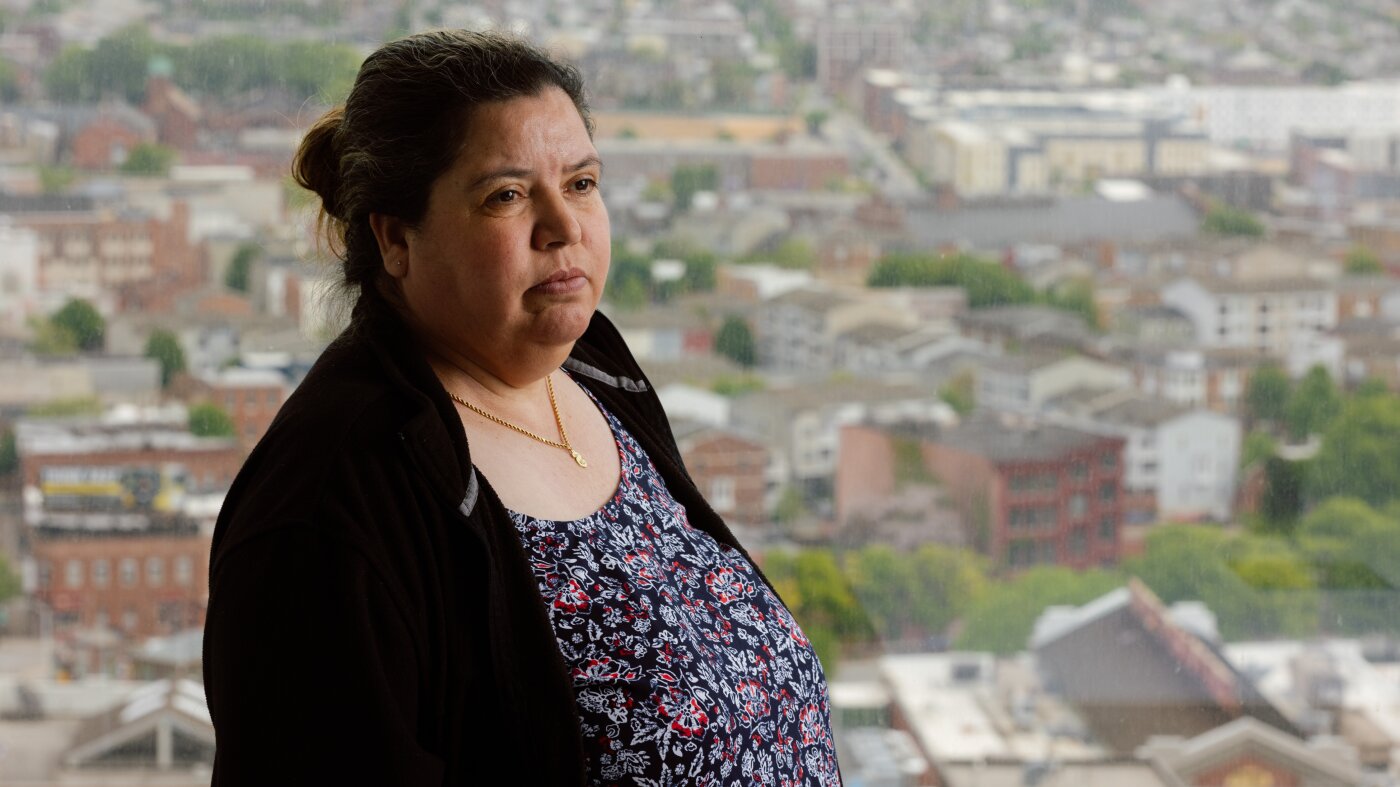
DHS starts deportation of woman whose loved one died in the Baltimore bridge collapseImage Credit: NPR Politics
Key Points
- •WASHINGTON – In a stark reversal of federal policy, the Department of Homeland Security has initiated deportation proceedings against a woman whose co-parent was one of the six construction workers killed in the 2024 collapse of Baltimore's Francis Scott Key Bridge. The move dismantles protections offered to the victims' families by the previous administration and signals a significant shift in immigration enforcement priorities under President Trump.
- •The Victims: The men who died were immigrants from Mexico, Guatemala, El Salvador, and Honduras. Their deaths cast a national spotlight on the critical role of immigrant and unauthorized labor in maintaining U.S. infrastructure.
- •The Child: Ms. Guerra Sandoval and Mr. López, though never married, remained close friends and co-parents to their U.S. citizen daughter. "I ask her if she remembers her father," Guerra Sandoval told NPR. "She says 'Yes, but my dad died in the water.'"
- •The Biden Approach: Officials provided pathways for approximately 30 individuals with immediate connections to the victims to apply for programs offering temporary protection from deportation.
- •The Trump Approach: The current administration has made every undocumented immigrant a priority for deportation, according to Rachel Girod, Ms. Guerra Sandoval’s immigration attorney. This policy removes the prosecutorial discretion that previous administrations used to focus on individuals with serious criminal records.
DHS starts deportation of woman whose loved one died in the Baltimore bridge collapse
WASHINGTON – In a stark reversal of federal policy, the Department of Homeland Security has initiated deportation proceedings against a woman whose co-parent was one of the six construction workers killed in the 2024 collapse of Baltimore's Francis Scott Key Bridge. The move dismantles protections offered to the victims' families by the previous administration and signals a significant shift in immigration enforcement priorities under President Trump.
Zoila Guerra Sandoval, 48, is now facing removal from the country she has lived in for two decades. Her case highlights the profound and immediate impact that changes in presidential administration can have on the lives of immigrants, transforming a promise of humanitarian relief into a threat of family separation.
A National Tragedy's Aftermath
The night before the bridge collapse, Ms. Guerra Sandoval spoke with José Mynor López, the father of her 7-year-old daughter. They discussed school pickups and she offered him some of the white beans she was cooking. He was unable to stop by before his overnight shift performing road maintenance on the Key Bridge.
The next morning, she learned of the disaster. Mr. López’s body was the last of the six victims to be recovered from the Patapsco River, two months after the Dali cargo vessel struck the bridge.
- The Victims: The men who died were immigrants from Mexico, Guatemala, El Salvador, and Honduras. Their deaths cast a national spotlight on the critical role of immigrant and unauthorized labor in maintaining U.S. infrastructure.
- The Child: Ms. Guerra Sandoval and Mr. López, though never married, remained close friends and co-parents to their U.S. citizen daughter. "I ask her if she remembers her father," Guerra Sandoval told NPR. "She says 'Yes, but my dad died in the water.'"
A Tale of Two Administrations
The handling of Ms. Guerra Sandoval’s case exemplifies the dramatic whiplash in U.S. immigration policy between the Biden and Trump administrations.
Following the collapse, the Biden administration actively reached out to the victims' families, encouraging them to seek immigration relief. Former President Joe Biden met with family members, offering condolences and praising the victims as "hard-working, strong, and selfless."
- The Biden Approach: Officials provided pathways for approximately 30 individuals with immediate connections to the victims to apply for programs offering temporary protection from deportation.
- The Trump Approach: The current administration has made every undocumented immigrant a priority for deportation, according to Rachel Girod, Ms. Guerra Sandoval’s immigration attorney. This policy removes the prosecutorial discretion that previous administrations used to focus on individuals with serious criminal records.
"When everybody is a priority, the person convicted of some of the most heinous crimes... is just as much a priority as the mother of a child who lost her father in a national tragedy," Girod stated.
From Protected to Priority
In the wake of the tragedy, Biden-era officials from U.S. Citizenship and Immigration Services (USCIS) facilitated applications for relief. A former USCIS official, who requested anonymity, confirmed that the bridge collapse was categorized as an emergency circumstance qualifying survivors and their families for special consideration.
- Basis for Relief: Ms. Guerra Sandoval qualified for this relief as she was now the sole caretaker for her and Mr. López's U.S. citizen daughter.
- The Process: "The terrible tragedy of the collapse of the Baltimore bridge fell in this category, and USCIS reviewed expedited requests from survivors and their families with great care and on a case-by-case basis," the former official said.
However, just over two years later, that promise of safety has been revoked. Earlier this month, Ms. Guerra Sandoval received a formal notice from USCIS.
- The Denial: The letter denied her application for immigration relief.
- The Consequence: It simultaneously placed her into removal proceedings, requiring her to appear in immigration court to defend against her deportation.
The Cost of Trust
Ms. Guerra Sandoval’s attorney emphasized the breach of trust at the heart of the case. To apply for the relief offered by the previous administration, she had to step "out of the shadows" and provide the government with her complete personal information, including her address, history, and fingerprints.
- A Calculated Risk: She entrusted the government with this sensitive data based on a promise of protection.
- A Policy Reversal: That same data is now being used to facilitate her deportation under the new administration's enforcement-first mandate.
"She stepped out of the shadows to entrust that they would follow through on the promises that they made to her," Girod explained. For two decades, Ms. Guerra Sandoval lived in the U.S. without a criminal record and would not have been an enforcement priority under past policies.
What's Next: A Test of Policy and Trust
Ms. Guerra Sandoval’s case is now entering the immigration court system, where she will fight to remain in the United States with her daughter. USCIS did not respond to a request for comment on her case or the status of other families affected by the bridge collapse.
The situation serves as a potent case study on the instability of U.S. immigration policy and its direct consequences. As enforcement priorities shift with each election, so does the fate of millions of individuals whose lives are governed by executive discretion. For a family still grappling with a profound loss, the policy reversal has introduced a new crisis: the potential for a mother and daughter to be torn apart.
Source: NPR Politics
Related Articles
Nationwide Protests Against ICE Enforcement Erupt in U.S.
Thousands are protesting ICE after the DOJ declined to investigate a fatal agent-involved shooting in Minneapolis, fueling a national movement and public anger.
Venezuela Amnesty Bill Could Free Political Prisoners
Learn about Venezuela's proposed amnesty bill to release political prisoners. The move could signal a major political shift and affect future economic sanctions
Pokémon Cancels Yasukuni Shrine Event After Backlash
The Pokémon Company has canceled an event at Tokyo's controversial Yasukuni Shrine after facing international backlash from China and South Korea.
US to Lose Measles Elimination Status: What It Means
The U.S. is poised to lose its measles elimination status due to escalating outbreaks. Learn what this downgrade means for public health and the economy.