How Digital Twins and AI Could Create 'Superworkers'
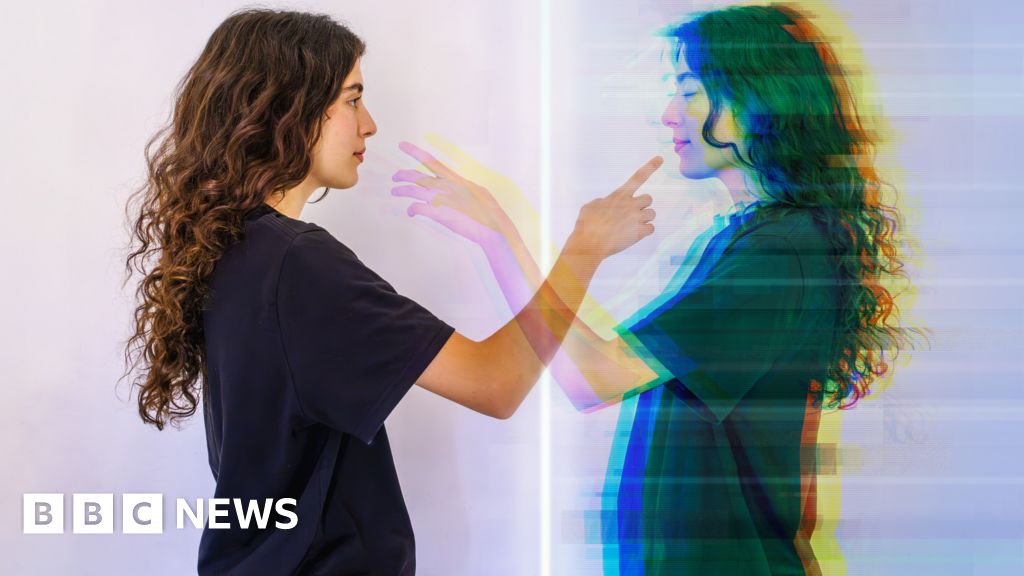
Could a digital twin make you into a 'superworker'?Image Credit: BBC Business (Finance)
Key Points
- •LONDON – Imagine an AI assistant that doesn't just schedule your meetings, but attends them, summarizes them, and drafts follow-up emails in your unique writing style. This is the promise of the "digital twin," a sophisticated AI-powered replica of a professional, trained on their personal data to automate complex tasks and, proponents argue, unlock unprecedented levels of productivity. As generative AI continues its rapid integration into the corporate world, the concept is moving from science fiction to a tangible business strategy, promising to create a new class of "superworker."
- •Exponential Efficiency: A digital twin could operate 24/7, clearing email backlogs overnight, preparing initial drafts of reports before the workday begins, and providing instant data analysis upon request.
- •Enhanced Decision-Making: By continuously processing vast amounts of information relevant to an employee's role, the twin can identify patterns, flag risks, and suggest data-driven solutions, acting as a powerful analytical partner.
- •Knowledge Retention: When an employee leaves a company, their digital twin, representing a repository of their institutional knowledge and processes, could remain to help train their replacement, mitigating the impact of staff turnover.
- •Data and Privacy: The creation of a digital twin requires access to a vast and deeply personal trove of an employee's communications and work product. Key questions include: What data is collected? How is it secured? Who has access to it? A breach of this data would be far more catastrophic than a typical corporate data leak.
Could a digital twin make you into a 'superworker'?
LONDON – Imagine an AI assistant that doesn't just schedule your meetings, but attends them, summarizes them, and drafts follow-up emails in your unique writing style. This is the promise of the "digital twin," a sophisticated AI-powered replica of a professional, trained on their personal data to automate complex tasks and, proponents argue, unlock unprecedented levels of productivity. As generative AI continues its rapid integration into the corporate world, the concept is moving from science fiction to a tangible business strategy, promising to create a new class of "superworker."
But as corporations race to harness this technology, a complex web of ethical, legal, and financial questions is emerging. The core tension lies in a simple question: Who truly benefits from this enhanced productivity, and at what cost to the individual employee whose digital "likeness" is being used?
The Dawn of the 'Superworker'
At its core, a professional digital twin is a personalized AI agent. Unlike generic tools like ChatGPT, it is meticulously trained on an individual's specific work output: their emails, reports, presentations, code, and even transcripts of their meetings.
The goal is to create a virtual proxy that can understand context, mimic communication styles, and execute tasks with a high degree of autonomy. This goes far beyond simple automation, aiming to replicate the cognitive and communicative functions of a knowledge worker.
The Productivity Promise
The business case for investing in digital twin technology is compelling. Companies envision a future where employees are freed from mundane, time-consuming tasks to focus on high-value strategic work.
- Exponential Efficiency: A digital twin could operate 24/7, clearing email backlogs overnight, preparing initial drafts of reports before the workday begins, and providing instant data analysis upon request.
- Enhanced Decision-Making: By continuously processing vast amounts of information relevant to an employee's role, the twin can identify patterns, flag risks, and suggest data-driven solutions, acting as a powerful analytical partner.
- Knowledge Retention: When an employee leaves a company, their digital twin, representing a repository of their institutional knowledge and processes, could remain to help train their replacement, mitigating the impact of staff turnover.
Navigating the Governance Gauntlet
While the potential for a productivity boom is significant, experts are urging caution. They warn that without robust governance frameworks, the technology could introduce profound risks for both employees and the companies deploying them. The rush to adoption cannot come at the expense of foresight.
"There are real potential benefits for sure, but it depends on getting the governance right, the direction of free time right, the autonomy of these agents right, and making sure that my name, image and likeness still stays mine, even if my employer is benefiting from it," says Kaelyn Lowmaster, a research director in Gartner's HR practice focused on the impact of AI on work.
Lowmaster's statement pinpoints the critical hurdles that must be cleared before digital twins can be ethically and effectively integrated into the workforce.
A Complex Web of Risks and Rights
Unpacking these concerns reveals the significant legal and ethical groundwork that is currently lagging behind the technology's development.
- Data and Privacy: The creation of a digital twin requires access to a vast and deeply personal trove of an employee's communications and work product. Key questions include: What data is collected? How is it secured? Who has access to it? A breach of this data would be far more catastrophic than a typical corporate data leak.
- Ownership and Likeness: This is perhaps the most contentious issue. If an AI trained on your skills and style generates a valuable report, who owns the intellectual property? If your digital twin continues to work and generate value for the company after you leave, are you entitled to compensation? This mirrors the "Name, Image, and Likeness" (NIL) debates raging in collegiate sports, but in a corporate context with far broader implications.
- Autonomy and Liability: As these AI agents become more autonomous, the question of accountability becomes critical. If a digital twin makes a costly error, provides flawed analysis, or sends an inappropriate communication, who is liable? Is it the employee, the employer who deployed the technology, or the software vendor who built the AI?
- The Future of Free Time: Proponents sell the idea of freeing up employees for more creative and strategic work. However, skeptics worry that the time saved will simply be filled with more tasks, leading to an accelerated pace of work and potential burnout. The "direction of free time," as Lowmaster notes, must be a deliberate choice: does it lead to a shorter work week and better work-life balance, or simply a higher-pressure environment?
The Economic Equation: Investment vs. Implementation
From a financial perspective, the race is already on. Venture capital is pouring into AI startups that promise to enhance enterprise productivity. Large corporations are initiating pilot programs to test these technologies in controlled environments, weighing the massive potential return on investment against the implementation costs and associated risks.
The economic impact could be twofold. On one hand, a widespread adoption of digital twins could lead to a significant surge in national GDP, driven by productivity gains across every sector. On the other, it raises fundamental questions about the future of knowledge work and the potential for job displacement or radical role transformation.
The Road Ahead: A Call for Proactive Governance
The era of the digital twin is approaching, but its arrival demands a proactive and collaborative approach to governance. For this technology to be a sustainable and equitable tool, rather than a divisive one, several steps are necessary.
- Corporate Policy Development: Companies must move now to create clear, transparent policies regarding AI in the workplace. These policies must explicitly address data rights, employee privacy, compensation for the use of digital likeness, and liability frameworks.
- Employee Dialogue: The implementation of such personal and powerful technology cannot be a top-down mandate. Businesses need to engage in open dialogue with their employees to build trust and co-create the rules that will govern these new tools.
- Regulatory Scrutiny: Lawmakers and regulators will inevitably need to step in to establish baseline standards for data protection, intellectual property, and labor rights in the age of AI. The legal precedents set in the coming years will shape the future of work for decades.
Ultimately, the digital twin represents a powerful technological leap. Whether it empowers employees to become "superworkers" in a balanced and rewarding way, or simply becomes a new tool for corporate extraction, will depend entirely on the ethical and legal guardrails we choose to build today.
Source: BBC Business (Finance)
Related Articles
Nationwide Protests Against ICE Enforcement Erupt in U.S.
Thousands are protesting ICE after the DOJ declined to investigate a fatal agent-involved shooting in Minneapolis, fueling a national movement and public anger.
Venezuela Amnesty Bill Could Free Political Prisoners
Learn about Venezuela's proposed amnesty bill to release political prisoners. The move could signal a major political shift and affect future economic sanctions
Pokémon Cancels Yasukuni Shrine Event After Backlash
The Pokémon Company has canceled an event at Tokyo's controversial Yasukuni Shrine after facing international backlash from China and South Korea.
US to Lose Measles Elimination Status: What It Means
The U.S. is poised to lose its measles elimination status due to escalating outbreaks. Learn what this downgrade means for public health and the economy.