Domenico Dolce Steps Down at D&G Amidst Debt Crisis
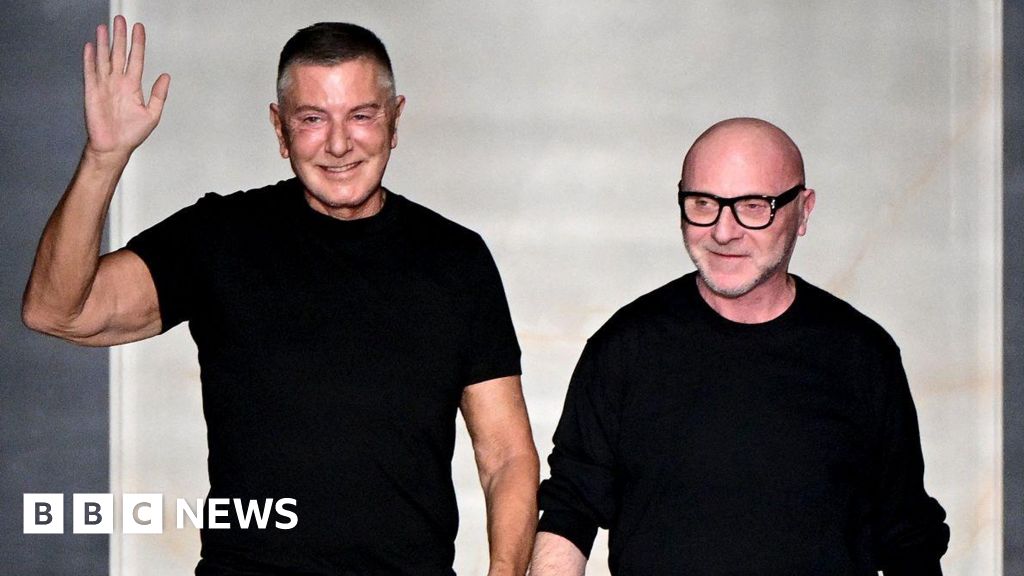
Dolce & Gabbana co-founder steps down amids debt restructuringImage Credit: BBC Business (Finance)
Key Points
- •Source: BBC Business (Finance)
- •Why it matters: For nearly four decades, Dolce & Gabbana has been synonymous with its two founders. The exit of Mr. Dolce, widely regarded as the technical and creative soul of the partnership, raises fundamental questions about the brand's future direction, ownership, and even its survival in its current form.
- •Reported Debt: The total debt under negotiation is believed to be in the region of €500-€700 million, owed primarily to a pool of Italian lenders including UniCredit and Intesa Sanpaolo.
- •Revenue Impact: While the luxury sector has seen a post-pandemic rebound, D&G's recovery has reportedly been sluggish compared to rivals like LVMH and Kering, hampered by brand-damaging controversies and fierce competition.
- •Founders' Control: Dolce and Gabbana have historically maintained tight control over their empire, resisting buyouts and public listings. This crisis marks the first time external financial stakeholders could dictate the company's strategy.
Dolce & Gabbana co-founder steps down amidst debt restructuring
Source: BBC Business (Finance)
Founder's Exit Signals Deepening Crisis at Italian Fashion House
MILAN – Domenico Dolce, one half of the iconic fashion duo Dolce & Gabbana, is stepping down from his executive role at the company, a move that coincides with the luxury brand's intense and ongoing debt restructuring negotiations with a consortium of banks. The departure of the brand's foundational designer sends a seismic shock through the industry and signals a profound crisis at one of Italy's most celebrated cultural exports.
Why it matters: For nearly four decades, Dolce & Gabbana has been synonymous with its two founders. The exit of Mr. Dolce, widely regarded as the technical and creative soul of the partnership, raises fundamental questions about the brand's future direction, ownership, and even its survival in its current form.
In a terse statement issued Friday, the company refused to elaborate on its financial predicament, confirming only the sensitivity of its position. "With regard to the debt position, the group has no statement to make at this time, as negotiations with the banks are still ongoing," the firm said.
The Situation by the Numbers
The company's carefully worded statement does little to mask the severity of the financial pressures it faces. Sources close to the negotiations, who spoke on the condition of anonymity, paint a picture of a brand grappling with significant liabilities.
- Reported Debt: The total debt under negotiation is believed to be in the region of €500-€700 million, owed primarily to a pool of Italian lenders including UniCredit and Intesa Sanpaolo.
- Revenue Impact: While the luxury sector has seen a post-pandemic rebound, D&G's recovery has reportedly been sluggish compared to rivals like LVMH and Kering, hampered by brand-damaging controversies and fierce competition.
- Founders' Control: Dolce and Gabbana have historically maintained tight control over their empire, resisting buyouts and public listings. This crisis marks the first time external financial stakeholders could dictate the company's strategy.
A History of Brand Turbulence
This financial reckoning does not come in a vacuum. The brand has been navigating turbulent waters for years, with a series of self-inflicted wounds that have alienated consumers, particularly in the critical Asian market.
- The China Scandal: In 2018, the brand was forced to cancel a major Shanghai fashion show after releasing a marketing campaign widely condemned as racist, followed by derogatory comments posted from Stefano Gabbana's Instagram account. The backlash led to a boycott by Chinese consumers and retailers that has had a lasting financial impact.
- Tax Evasion Allegations: The founders were embroiled in a years-long legal battle over tax evasion charges, of which they were ultimately acquitted by Italy's highest court in 2014. However, the protracted case generated significant negative press.
- Social Media Firestorms: Mr. Gabbana, the more outspoken of the duo, has repeatedly courted controversy with inflammatory comments on social media, targeting celebrities and other public figures, leading to calls for boycotts and further damaging the brand's image.
Behind the Restructuring
The current debt negotiations are a direct consequence of these compounding factors. Lenders are reportedly seeking a clear and sustainable path to profitability before agreeing to new financing terms. The departure of a founder is often a key demand from creditors seeking to install new management and signal a definitive break from past strategic errors.
Mr. Dolce's role has always been that of the master craftsman—the "sarto" or tailor—obsessed with cut, fabric, and construction. In contrast, Mr. Gabbana has acted as the showman and marketer. The departure of the former removes the brand's original creative anchor, leaving a significant void.
Implications and What's Next
The road ahead for Dolce & Gabbana is fraught with uncertainty. The outcome of the bank negotiations will determine the company's immediate future, while the founder's exit reshapes its long-term identity.
- The Debt Deal: The most likely outcomes include a debt-for-equity swap, which would see the banks take a stake in the company, or the forced sale of key assets. A less probable but possible outcome is the search for a new majority investor, effectively ending the founders' era of control.
- Creative Succession: The brand has no publicly announced succession plan. The key question is whether it will promote from within or, as is more likely under creditor pressure, hire a high-profile external creative director to reboot its image, following a model successfully used by Gucci and Burberry.
- Gabbana's Role: Stefano Gabbana's future role is now a central question. It remains unclear if he will remain as the sole creative lead, transition to a non-executive ambassadorial role, or follow his partner and exit the company he co-founded.
- Brand Identity: Without Dolce, the brand must redefine itself. It can either lean into its legacy or attempt a radical reinvention to appeal to a new generation of luxury consumers who prioritize social values as much as aesthetics.
The departure of its quieter, foundational half marks the end of an era for Dolce & Gabbana. The coming weeks of negotiation will not only decide the financial fate of a company but will also force the iconic house to confront a future where its very identity is on the table.
Source: BBC Business (Finance)
Related Articles
Nationwide Protests Against ICE Enforcement Erupt in U.S.
Thousands are protesting ICE after the DOJ declined to investigate a fatal agent-involved shooting in Minneapolis, fueling a national movement and public anger.
Venezuela Amnesty Bill Could Free Political Prisoners
Learn about Venezuela's proposed amnesty bill to release political prisoners. The move could signal a major political shift and affect future economic sanctions
Pokémon Cancels Yasukuni Shrine Event After Backlash
The Pokémon Company has canceled an event at Tokyo's controversial Yasukuni Shrine after facing international backlash from China and South Korea.
US to Lose Measles Elimination Status: What It Means
The U.S. is poised to lose its measles elimination status due to escalating outbreaks. Learn what this downgrade means for public health and the economy.