DR Congo Mine Collapse: Over 200 Killed in Tragedy
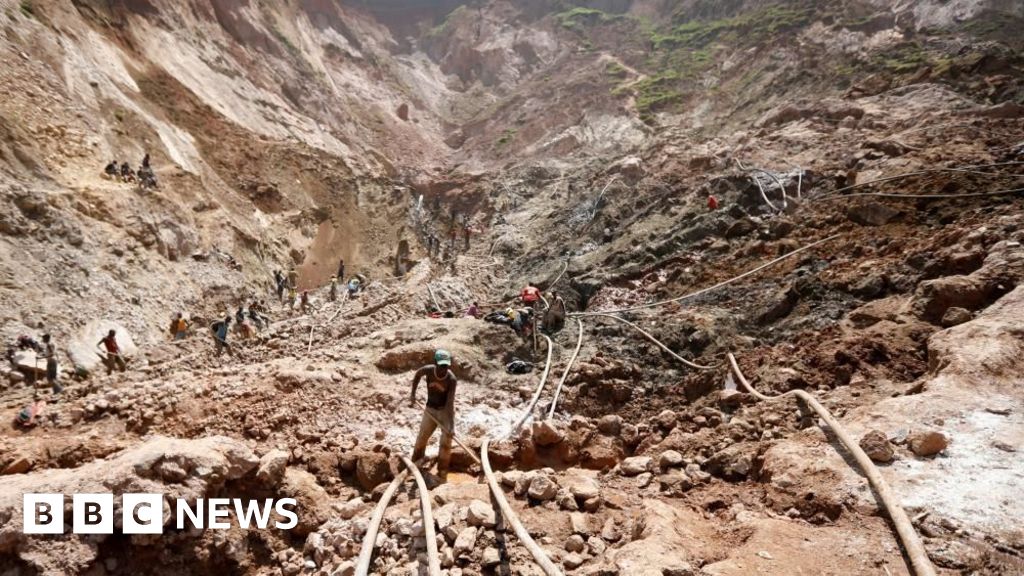
DR Congo: More than 200 killed in mine collapseImage Credit: BBC News
Key Points
- •KINSHASA – A catastrophic collapse at an artisanal gold mine in the Democratic Republic of Congo's South Kivu province has left more than 200 people dead, officials confirmed Friday. The tragedy highlights the perilous conditions faced by millions engaged in the country's informal mining sector and casts a harsh spotlight on the human cost embedded in global mineral supply chains.
- •Poverty as a Driver: With limited formal employment opportunities, men and young boys turn to the "creuseur" (digger) life as one of the few available paths to earn an income.
- •Informal Structure: ASM operations are characterized by a lack of geological surveys, engineering support, and safety equipment. Tunnels are often dug haphazardly, making them highly susceptible to collapse, especially during the rainy season.
- •High Risk, Low Reward: While the minerals extracted are worth billions on the international market, the miners themselves see only a tiny fraction of this value, typically earning a few dollars per day.
- •Cobalt King: The DRC produces over 70% of the world's cobalt, an essential component in lithium-ion batteries that power smartphones, laptops, and electric vehicles (EVs).
DR Congo: More than 200 killed in mine collapse
KINSHASA – A catastrophic collapse at an artisanal gold mine in the Democratic Republic of Congo's South Kivu province has left more than 200 people dead, officials confirmed Friday. The tragedy highlights the perilous conditions faced by millions engaged in the country's informal mining sector and casts a harsh spotlight on the human cost embedded in global mineral supply chains.
The incident, which occurred following days of heavy rain, trapped a vast number of miners deep underground in a makeshift shaft. Rescue efforts have been severely hampered by the remote location and the instability of the surrounding terrain, with local authorities now focusing on recovery.
For the families in the nearby town of Kamituga, the collapse is a devastating personal blow. "I didn't believe he could pass away in such circumstances," one man told the BBC, speaking of his cousin who was among the victims. He described a "courageous" and "ambitious" man whose sole motivation for entering the dangerous mine was to provide for his wife and two children.
This sentiment echoes across a community now in mourning, a stark reminder that behind the global demand for minerals are individuals risking everything for a subsistence living.
The Economics of Desperation
The disaster is not an isolated event but a symptom of a deep-seated economic reality in the DRC. The nation is fabulously wealthy in mineral resources yet remains one of the poorest countries in the world—a classic example of the "resource curse."
Artisanal and small-scale mining (ASM) is a critical, if hazardous, source of income for an estimated 2 million Congolese, with millions more depending on it indirectly. These miners operate outside the legal framework of large industrial concessions, often using rudimentary tools and without any safety protocols.
- Poverty as a Driver: With limited formal employment opportunities, men and young boys turn to the "creuseur" (digger) life as one of the few available paths to earn an income.
- Informal Structure: ASM operations are characterized by a lack of geological surveys, engineering support, and safety equipment. Tunnels are often dug haphazardly, making them highly susceptible to collapse, especially during the rainy season.
- High Risk, Low Reward: While the minerals extracted are worth billions on the international market, the miners themselves see only a tiny fraction of this value, typically earning a few dollars per day.
A Nation Built on Minerals
The DRC's economic landscape is dominated by its vast mineral deposits. Understanding their role is key to understanding the forces that drive individuals into treacherous mines.
- Cobalt King: The DRC produces over 70% of the world's cobalt, an essential component in lithium-ion batteries that power smartphones, laptops, and electric vehicles (EVs).
- Copper Reserves: The country is also a top global producer of copper, critical for electrical wiring, construction, and industrial machinery.
- Precious Metals and "3T Minerals": Beyond cobalt and copper, the DRC is a major source of gold, diamonds, and the "3T minerals"—tin (cassiterite), tungsten (wolframite), and tantalum (coltan)—all vital for modern electronics.
The immense global appetite for these resources creates a powerful economic pull that sustains the dangerous ASM sector, regardless of the human toll.
A System of Failure
The recurring tragedies in the DRC's mining sector point to systemic failures at multiple levels, from local governance to international corporate responsibility.
Governance and Regulation
The Congolese government has officially sought to formalize the ASM sector, but implementation and enforcement remain profoundly weak. Corruption is rampant, with state agents often complicit in or benefiting from illegal mining operations.
Safety regulations are rarely, if ever, enforced at informal sites. This regulatory vacuum allows a high-risk, high-reward environment to fester, where the immediate need for minerals outweighs any long-term concern for worker safety.
The Global Supply Chain's Responsibility
For years, international bodies and NGOs have pressured multinational corporations to clean up their supply chains and ensure their minerals are not sourced from mines linked to conflict or human rights abuses.
- Due Diligence Laws: Legislation like the U.S. Dodd-Frank Act and OECD Due Diligence Guidance has pushed companies to trace the origin of their minerals.
- Traceability Challenges: However, tracing materials from thousands of scattered, informal ASM sites back to a specific smelter or end-product is exceptionally difficult. "Conflict-free" labels often fail to account for the equally pressing issue of unsafe labor conditions.
- Corporate Pressure: The focus on cobalt for the EV revolution has intensified scrutiny, but gold, as seen in this disaster, often flows through less transparent channels, making accountability even harder.
Implications and The Path Forward
This latest collapse serves as a grim and urgent call to action. As the recovery effort continues, the focus must shift to preventing the next, inevitable disaster.
The immediate government response will likely involve promises of an investigation and a crackdown on illegal mining—a familiar pattern that has historically yielded few lasting results.
Meaningful change requires a multi-pronged approach that addresses the root causes of this dangerous industry.
- Formalization and Safety: A renewed and properly funded effort to formalize ASM cooperatives is essential. This includes providing geological assistance, engineering expertise, and basic safety training and equipment to miners.
- Economic Diversification: The DRC and its international partners must invest in alternative livelihoods in agriculture, manufacturing, and services to reduce the population's dependency on high-risk mining.
- Corporate Accountability: International companies that rely on Congolese minerals must invest directly in improving conditions on the ground. This goes beyond simple audits and requires direct investment in safety programs and community development.
- International Support: Foreign governments and financial institutions should tie aid and investment to tangible improvements in mining governance and transparency, ensuring that the wealth generated from the DRC's resources benefits its people.
Without these fundamental changes, the cycle of poverty, desperation, and death in the mines of the Congo will continue, with each tragedy serving as another footnote in the story of global consumption.
Source: BBC News
Related Articles
Nationwide Protests Against ICE Enforcement Erupt in U.S.
Thousands are protesting ICE after the DOJ declined to investigate a fatal agent-involved shooting in Minneapolis, fueling a national movement and public anger.
Venezuela Amnesty Bill Could Free Political Prisoners
Learn about Venezuela's proposed amnesty bill to release political prisoners. The move could signal a major political shift and affect future economic sanctions
Pokémon Cancels Yasukuni Shrine Event After Backlash
The Pokémon Company has canceled an event at Tokyo's controversial Yasukuni Shrine after facing international backlash from China and South Korea.
US to Lose Measles Elimination Status: What It Means
The U.S. is poised to lose its measles elimination status due to escalating outbreaks. Learn what this downgrade means for public health and the economy.