Epstein Emails Detail 2010 Celebrity Dinner for Andrew
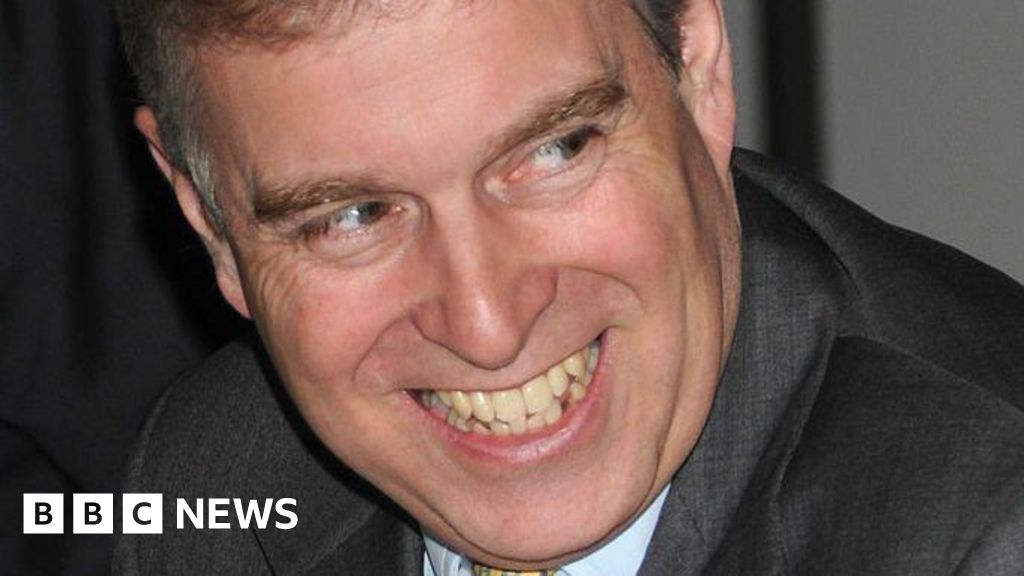
Emails reveal more details of Epstein's celeb dinner for AndrewImage Credit: BBC News
Key Points
- •By Thomas Sterling, Senior Financial Correspondent
- •Why it matters: These revelations go beyond royal scandal. They provide a granular look at the machinery of influence that Epstein built and operated. For years, he used his immense wealth and curated access to the global elite—from politicians and royalty to tech moguls and financiers—as a form of currency, creating a web of mutual obligation and reputation laundering. The details of this dinner show Prince Andrew was not merely a passive acquaintance but a central asset in that network, even after Epstein's initial conviction.
- •The Invitation: Emails sent by Epstein's assistants to a select group of individuals described the event as an "intimate dinner" for the Prince. The tone was designed to convey exclusivity and importance, key tools in Epstein’s networking arsenal.
- •The Guest List: The invitees represented a cross-section of American power. The list reportedly included prominent journalists like George Stephanopoulos and Katie Couric, broadcaster Charlie Rose, and other figures from the worlds of media, tech, and finance. The presence of respected journalists was a particular hallmark of Epstein's strategy to cultivate an image of intellectual legitimacy.
- •The Strategic Purpose: Unlike a casual social gathering, the emails suggest a clear objective: to surround Prince Andrew with influential people, thereby reaffirming his status and, by extension, Epstein’s own. For Epstein, having a British prince as the guest of honor was the ultimate validation, a signal to his other guests that he remained a central node of power despite his 2008 conviction for soliciting a minor.
Emails Reveal More Details of Epstein's Celebrity Dinner for Andrew
By Thomas Sterling, Senior Financial Correspondent
Newly released emails have cast a harsh new light on the relationship between Prince Andrew and the disgraced financier Jeffrey Epstein, revealing intricate details of a carefully orchestrated dinner party held in the Duke of York's honor just days after he claims to have "parted company" with the convicted sex offender. The correspondence, part of a trove of documents related to Epstein's network, shows the 2010 event was a calculated effort to leverage Epstein’s high-powered connections in media and finance to bolster the Prince’s standing, directly contradicting the narrative Andrew presented in his calamitous 2019 BBC interview.
Why it matters: These revelations go beyond royal scandal. They provide a granular look at the machinery of influence that Epstein built and operated. For years, he used his immense wealth and curated access to the global elite—from politicians and royalty to tech moguls and financiers—as a form of currency, creating a web of mutual obligation and reputation laundering. The details of this dinner show Prince Andrew was not merely a passive acquaintance but a central asset in that network, even after Epstein's initial conviction.
The Dinner and the Emails
The event in question took place in December 2010 at Jeffrey Epstein's multi-million dollar Manhattan townhouse. Prince Andrew had been staying at the residence during a trip to New York, a fact he later tried to downplay. The emails, sent in the days leading up to the dinner, lay bare its true purpose.
The correspondence, primarily from Epstein’s staff, outlines a concerted effort to assemble a guest list of prominent figures. The stated goal was to host a dinner "in honour of HRH The Duke of York."
-
The Invitation: Emails sent by Epstein's assistants to a select group of individuals described the event as an "intimate dinner" for the Prince. The tone was designed to convey exclusivity and importance, key tools in Epstein’s networking arsenal.
-
The Guest List: The invitees represented a cross-section of American power. The list reportedly included prominent journalists like George Stephanopoulos and Katie Couric, broadcaster Charlie Rose, and other figures from the worlds of media, tech, and finance. The presence of respected journalists was a particular hallmark of Epstein's strategy to cultivate an image of intellectual legitimacy.
-
The Strategic Purpose: Unlike a casual social gathering, the emails suggest a clear objective: to surround Prince Andrew with influential people, thereby reaffirming his status and, by extension, Epstein’s own. For Epstein, having a British prince as the guest of honor was the ultimate validation, a signal to his other guests that he remained a central node of power despite his 2008 conviction for soliciting a minor.
Catch Up Quick: A Contradictory Timeline
The timing of this dinner is critical. It directly challenges the version of events Prince Andrew has repeatedly offered to the public, most notably during his 2019 Newsnight interview with Emily Maitlis. In that interview, he claimed his 2010 visit was solely to sever ties with Epstein.
He described an infamous "walk in the park" with Epstein, captured by photographers, as the moment of their final break.
"Look, because of what has happened, I don't think it is appropriate that we should remain in contact," Andrew claimed to have said. "And by mutual agreement during that walk in the park we decided that we would part company and I left, I think it was the next day and to this day I never had any contact with him from that day forward."
The new evidence suggests that far from "parting company," the days following that walk were filled with social engagements orchestrated by Epstein for Andrew's benefit.
-
2008 Conviction: Epstein pleads guilty in Florida to procuring a child for prostitution and is registered as a sex offender. His association becomes toxic for public figures.
-
December 2010 Visit: Despite the conviction, Prince Andrew stays with Epstein at his New York mansion. The "walk in the park" photos are taken during this stay.
-
The Dinner Party: Just days after the supposed "break-up" conversation, Epstein hosts the celebrity-filled dinner in Andrew’s honor at the same mansion.
-
November 2019 Interview: Facing intense scrutiny over his ties to Epstein, Andrew gives the BBC interview, where he makes the now-disputed claim of severing contact in 2010.
The Machinery of Influence
From a financial and strategic perspective, the dinner was a masterclass in what could be termed "access capitalism." Epstein was not merely hosting a party; he was transacting in social capital, a currency as valuable as any stock or bond in the circles he moved in.
This event demonstrates the core tenets of his operational model:
-
Reputation Laundering: By surrounding himself with credible, powerful people—journalists, academics, and royalty—Epstein sought to wash away the stain of his criminal record. Each prominent guest who accepted an invitation implicitly lent him a piece of their own credibility.
-
Network as a Moat: Epstein’s primary business was his network. The dinner was an exercise in strengthening it. By connecting a British prince to American media figures, he reinforced his own position as an indispensable broker of access, making him too valuable to cut off.
-
Transactional Relationships: The emails underscore the transactional nature of these gatherings. Prince Andrew provided royal prestige. The journalists and executives provided intellectual and social validation. In return, Epstein provided a unique forum for elite access and, for some, potential financial opportunities.
The Fallout and What's Next
The consequences of Prince Andrew's association with Epstein have been severe and lasting.
He has been stripped of his military titles and royal patronages and is no longer a working member of the Royal Family. He also paid a multi-million dollar settlement to Virginia Giuffre, one of Epstein's most prominent accusers, to end a civil lawsuit in the U.S., though he has never admitted liability.
For the other guests named in the emails, their attendance is a fresh reputational headache, forcing them once again to distance themselves from a man whose crimes have become more monstrous with each new revelation.
The road ahead: The continued unsealing of court documents related to Epstein and his associate Ghislaine Maxwell promises more disclosures. Each new document adds a piece to the puzzle of how Epstein was able to operate with impunity for so long, protected by a shield of wealth, power, and influence. For the institutions involved, from the British monarchy to major media and financial firms, these revelations force an uncomfortable reckoning with questions of judgment, complicity, and the corrosive influence of "access capitalism" at the highest levels of society. The story, it seems, is far from over.
Source: BBC News
Related Articles
Nationwide Protests Against ICE Enforcement Erupt in U.S.
Thousands are protesting ICE after the DOJ declined to investigate a fatal agent-involved shooting in Minneapolis, fueling a national movement and public anger.
Venezuela Amnesty Bill Could Free Political Prisoners
Learn about Venezuela's proposed amnesty bill to release political prisoners. The move could signal a major political shift and affect future economic sanctions
Pokémon Cancels Yasukuni Shrine Event After Backlash
The Pokémon Company has canceled an event at Tokyo's controversial Yasukuni Shrine after facing international backlash from China and South Korea.
US to Lose Measles Elimination Status: What It Means
The U.S. is poised to lose its measles elimination status due to escalating outbreaks. Learn what this downgrade means for public health and the economy.