F1 Cancels Bahrain & Saudi GPs Amid Middle East Conflict
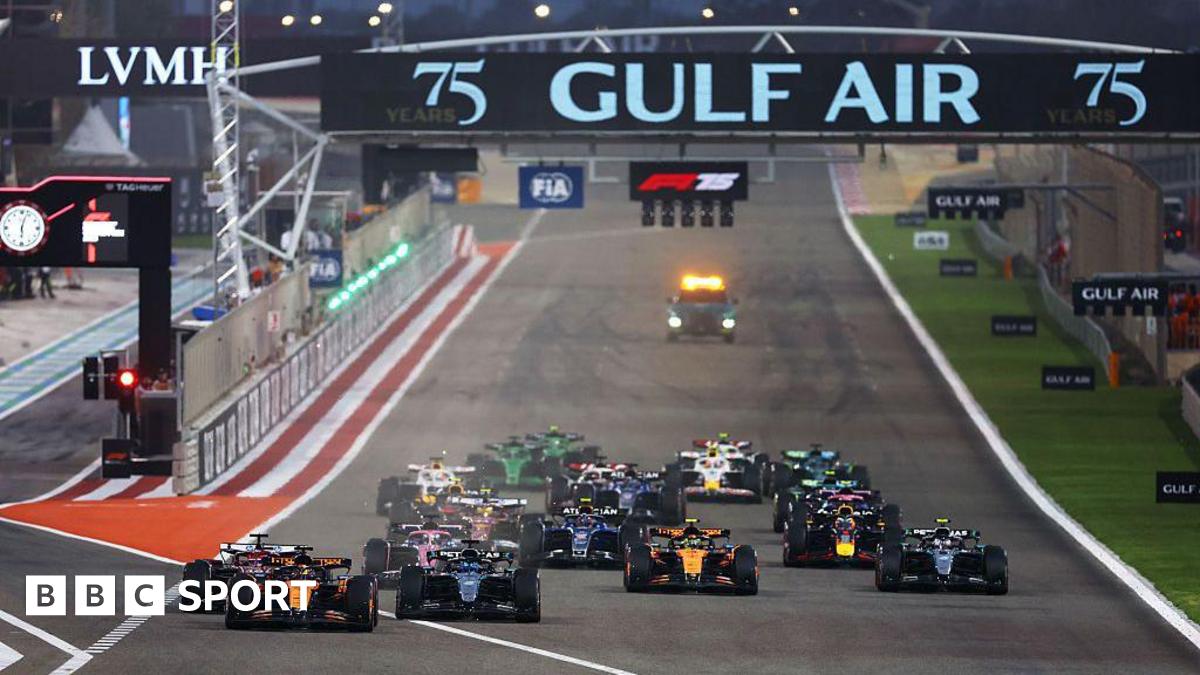
Bahrain and Saudi Arabia GPs to be cancelled amid Middle East warImage Credit: BBC News
Key Points
- •LONDON – Formula 1 is bracing for a significant logistical and financial shock with the imminent cancellation of the Bahrain and Saudi Arabia Grands Prix, a direct consequence of the escalating military conflict in the Middle East. The decision, expected to be formalised by the end of the weekend, will erase two of the most lucrative races from the calendar, dealing a commercial blow of over £100 million to the sport's owners, Liberty Media.
- •Premium Hosting Fees: Bahrain and Saudi Arabia are known to pay some of the highest race promotion fees on the entire F1 calendar. These state-backed events reportedly contribute between $55 million and $65 million each per year to F1's revenues, using the global platform to promote tourism and project a modern image.
- •Contractual Clauses: The cancellations will almost certainly trigger force majeure clauses within the hosting contracts. This legal provision allows parties to negate their obligations due to unforeseeable and unavoidable catastrophes, such as war, meaning F1 is unlikely to recoup the lost fees.
- •Ancillary Revenue Hits: Beyond the fees, F1 will lose associated revenues from trackside sponsorship, hospitality packages managed by the Paddock Club, and other event-specific commercial activities. Broadcasters and global sponsors also lose two key prime-time events from their activation schedules.
- •Logistical Hurdles: Organising a Grand Prix is a monumental task requiring months of preparation in security, ticketing, staffing, and infrastructure. The timeframe of just over a month was deemed too short to stage an event to the required F1 standard.
Bahrain and Saudi Arabia GPs to be cancelled amid Middle East war
LONDON – Formula 1 is bracing for a significant logistical and financial shock with the imminent cancellation of the Bahrain and Saudi Arabia Grands Prix, a direct consequence of the escalating military conflict in the Middle East. The decision, expected to be formalised by the end of the weekend, will erase two of the most lucrative races from the calendar, dealing a commercial blow of over £100 million to the sport's owners, Liberty Media.
The move underscores the untenable security risks of holding major international sporting events in a region embroiled in conflict involving the US, Israel, and Iran.
Security Concerns Force F1's Hand
The decision to scrap the races, scheduled for April 12 and the following weekend, has been driven by an overriding duty of care for the thousands of personnel involved. With freight logistics requiring immediate action, organisers faced a critical deadline to commit to the events.
A senior source indicated that with no clear de-escalation of hostilities in sight, the risk to teams, drivers, staff, and spectators was deemed unacceptably high. Proceeding with the events would have placed the entire Formula 1 paddock in a volatile and unpredictable security environment.
The timing is critical. Sea and air freight, including the cars, broadcast equipment, and team infrastructure, would need to begin its journey to the Gulf in the coming days. Committing to this massive logistical operation without a guarantee of safety was not a viable option for Formula 1 management, the FIA, or the teams.
A Nine-Figure Commercial Blow
The financial repercussions for Formula 1 are substantial. The cancellation of these two events represents one of the most significant single financial setbacks for the sport in recent years, outside of the global pandemic. The estimated loss of over £100 million stems primarily from the forfeiture of hosting fees.
-
Premium Hosting Fees: Bahrain and Saudi Arabia are known to pay some of the highest race promotion fees on the entire F1 calendar. These state-backed events reportedly contribute between $55 million and $65 million each per year to F1's revenues, using the global platform to promote tourism and project a modern image.
-
Contractual Clauses: The cancellations will almost certainly trigger force majeure clauses within the hosting contracts. This legal provision allows parties to negate their obligations due to unforeseeable and unavoidable catastrophes, such as war, meaning F1 is unlikely to recoup the lost fees.
-
Ancillary Revenue Hits: Beyond the fees, F1 will lose associated revenues from trackside sponsorship, hospitality packages managed by the Paddock Club, and other event-specific commercial activities. Broadcasters and global sponsors also lose two key prime-time events from their activation schedules.
Calendar in Flux as Season Shrinks
The immediate consequence of the decision is a dramatic reshaping of the 2024 F1 calendar. The season will be shortened from a record 24 races to 22, and no replacement events will be staged.
This will create an unprecedented five-week gap in the middle of the season, with a long hiatus between the Japanese Grand Prix at Suzuka on March 29 and the Miami Grand Prix on May 3.
Why No Replacements?
Consideration was given to activating alternative European venues that have previously stepped in, such as Portimao (Portugal), Imola (Italy), or Istanbul Park (Turkey). However, these options were ultimately dismissed for two primary reasons.
-
Logistical Hurdles: Organising a Grand Prix is a monumental task requiring months of preparation in security, ticketing, staffing, and infrastructure. The timeframe of just over a month was deemed too short to stage an event to the required F1 standard.
-
Financial Viability: The potential replacement tracks are not in a position to pay a last-minute hosting fee comparable to the Gulf states. Formula 1 was unwilling to stage the events for free, as it would set a difficult precedent and devalue the price paid by other promoters on the calendar.
A History of Disruption and Strategic Setbacks
This is not the first time geopolitical turmoil has forced a cancellation in Bahrain. The inaugural race in 2011 was called off due to the civil unrest during the Arab Spring. However, the current situation, involving a wider regional war, presents a far more complex and dangerous backdrop.
The cancellations represent a major setback for Formula 1's long-term strategy, which has heavily prioritised expansion in the Middle East. The region, with its sovereign wealth and long-term contracts, has become a cornerstone of the sport's financial health and global footprint. Qatar and Abu Dhabi remain on the calendar later in the year, and officials will be closely monitoring the regional situation as those dates approach.
Looking Ahead: Uncertainty and Adaptation
With a formal announcement imminent, the focus for Formula 1 and its stakeholders will shift to managing the fallout.
For the teams, the five-week break offers an unexpected window for car development and personnel rest, but it also disrupts the competitive rhythm and momentum of the season. They will now recalibrate their logistical plans to route freight directly from Japan to the United States.
For Liberty Media, the financial impact will be a key point of discussion in its next quarterly earnings report, and investors will be watching for any further signs of calendar instability. The sport's leadership has proven its crisis-management capabilities during the COVID-19 pandemic, and that experience will be crucial in navigating the current uncertainty.
The immediate priority is the safe and orderly unwinding of commitments for the two cancelled races. The wider hope is for a rapid de-escalation of the conflict, allowing the sport to return to one of its most vital commercial regions in the future.
Source: BBC News
Related Articles
Nationwide Protests Against ICE Enforcement Erupt in U.S.
Thousands are protesting ICE after the DOJ declined to investigate a fatal agent-involved shooting in Minneapolis, fueling a national movement and public anger.
Venezuela Amnesty Bill Could Free Political Prisoners
Learn about Venezuela's proposed amnesty bill to release political prisoners. The move could signal a major political shift and affect future economic sanctions
Pokémon Cancels Yasukuni Shrine Event After Backlash
The Pokémon Company has canceled an event at Tokyo's controversial Yasukuni Shrine after facing international backlash from China and South Korea.
US to Lose Measles Elimination Status: What It Means
The U.S. is poised to lose its measles elimination status due to escalating outbreaks. Learn what this downgrade means for public health and the economy.