Child Cancer Travel Costs Covered by New Government Fund
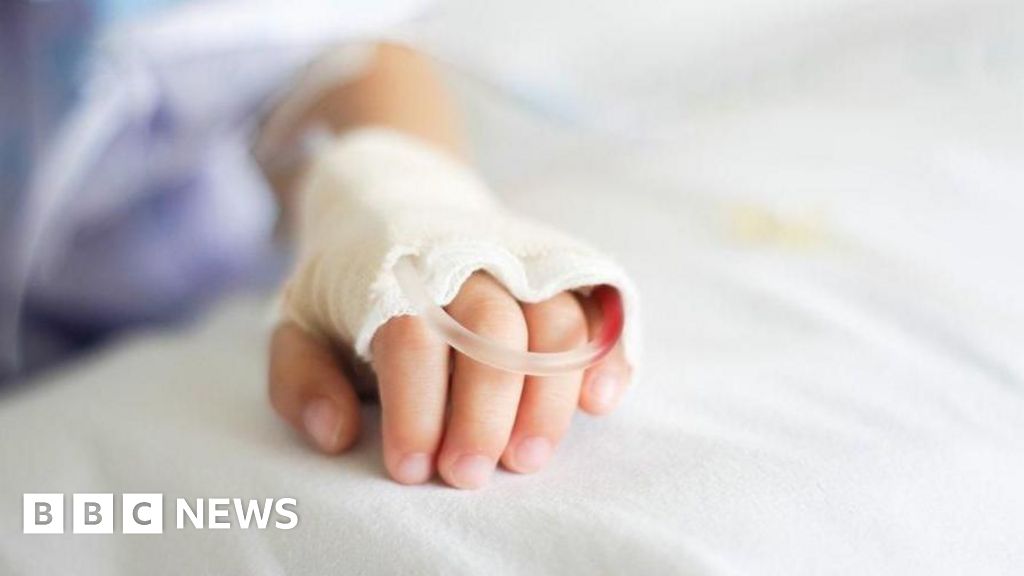
Families with children battling cancer to have travel costs coveredImage Credit: BBC News
Key Points
- •LONDON – The government has announced the establishment of a landmark national fund to cover the travel and accommodation expenses for families of children undergoing cancer treatment. The initiative, long championed by leading charities, aims to alleviate the severe financial distress faced by thousands of households navigating the dual crises of a child's critical illness and spiralling associated costs.
- •The Financial Burden: Reports from organisations like the Childhood Cancer and Leukaemia Group (CCLG) have shown families spending hundreds of pounds per month on fuel, parking, and public transport.
- •Rising Debt: Many families have been forced to take on credit card debt, personal loans, or borrow from family and friends to manage the relentless costs of travelling for treatment, which can last for months or even years.
- •Impact on Essentials: A recent survey highlighted that a significant percentage of affected families have had to cut back on fundamental needs, including food and heating, to afford the journey to the hospital.
- •Administration: The fund will be administered by NHS England in partnership with hospital trusts that have specialist paediatric oncology centres.
Families with children battling cancer to have travel costs covered
LONDON – The government has announced the establishment of a landmark national fund to cover the travel and accommodation expenses for families of children undergoing cancer treatment. The initiative, long championed by leading charities, aims to alleviate the severe financial distress faced by thousands of households navigating the dual crises of a child's critical illness and spiralling associated costs.
The new programme represents a significant policy shift, directly addressing a hidden financial burden that has pushed many families into debt and forced them to make impossible choices between transportation to life-saving appointments and household essentials.
Why This Matters: The Hidden Costs of Care
For families of children with cancer, the challenges extend far beyond the hospital ward. The financial toxicity of treatment is a well-documented, yet often overlooked, side effect of the diagnosis.
Specialist paediatric oncology units are frequently located in major cities, far from a family's home. This geographical reality imposes a sudden and substantial financial strain. Parents often face the necessity of giving up employment or drastically reducing their working hours to become full-time caregivers, leading to a sharp decline in household income.
This loss of earnings is compounded by a surge in new, unavoidable expenses. Charities have presented extensive evidence detailing how these costs can cripple a family's finances.
- The Financial Burden: Reports from organisations like the Childhood Cancer and Leukaemia Group (CCLG) have shown families spending hundreds of pounds per month on fuel, parking, and public transport.
- Rising Debt: Many families have been forced to take on credit card debt, personal loans, or borrow from family and friends to manage the relentless costs of travelling for treatment, which can last for months or even years.
- Impact on Essentials: A recent survey highlighted that a significant percentage of affected families have had to cut back on fundamental needs, including food and heating, to afford the journey to the hospital.
The Paediatric Oncology Travel Fund: A Detailed Look
In response to these pressures, the Department of Health and Social Care (DHSC) has confirmed the creation of the "Paediatric Oncology Travel Fund." The fund is designed to provide direct, non-repayable financial assistance.
Initial Treasury allocation for the fund is reported to be in the region of £25 million for the first operational year, with its performance and uptake to be reviewed for future fiscal planning.
How the Fund Will Operate
The programme aims to be streamlined and accessible, integrated directly into the existing NHS support infrastructure to minimise bureaucratic hurdles for families already under immense stress.
- Administration: The fund will be administered by NHS England in partnership with hospital trusts that have specialist paediatric oncology centres.
- Eligibility: The support will be available to the families of any child under the age of 18 who is undergoing active cancer treatment at a designated specialist centre. Eligibility will not be means-tested, acknowledging that the sudden costs affect families across the income spectrum.
- Application Process: Families will be able to apply through their dedicated NHS cancer care team or hospital social worker, who will help facilitate the process and verify treatment schedules.
What Costs Are Covered?
The fund is specifically targeted at the logistical costs of accessing care, which have been identified as the primary driver of financial hardship.
- Mileage and Fuel: A per-mile reimbursement for families using their own vehicle, calculated at a rate designed to cover fuel and running costs.
- Public Transport: Full reimbursement for train and bus fares for the child and at least one accompanying parent or guardian.
- Parking Fees: Coverage for often-exorbitant hospital car parking charges, a major point of contention for campaigners.
- Accommodation: Subsidies for overnight stays in nearby hotels or hospital-affiliated accommodation when daily travel is not feasible due to distance or treatment intensity.
- Congestion and Emissions Charges: Reimbursement for charges like London's Congestion Charge or Ultra Low Emission Zone (ULEZ) fees incurred during travel to city-centre hospitals.
The Campaign for Change: A Long Road
Today's announcement is the culmination of a years-long campaign led by a coalition of cancer charities, patient advocacy groups, and healthcare professionals. For years, they have argued that the existing NHS Travel Costs Scheme was inadequate, with restrictive means-testing and low reimbursement rates that failed to cover the true cost of travel.
Charities like CLIC Sargent and Young Lives vs Cancer have been at the forefront, publishing detailed reports that quantified the financial impact on families. Their research provided the critical data that underpinned the case for a dedicated, national fund. They highlighted the "postcode lottery" of support, where discretionary help varied wildly between different hospital trusts and local authorities.
The government's action signals a recognition that travel costs are not an incidental expense but a fundamental barrier to accessing care. Health Secretary Rt Hon. James Atherton stated, "No parent should have to worry about the cost of fuel when their child is fighting cancer. This fund is about providing practical support so that families can focus on what truly matters: the health and well-being of their child."
Looking Ahead: Implementation and Implications
The focus now shifts to the effective and rapid implementation of the fund.
- Timeline: The DHSC has indicated a target launch date of April 1st, the start of the next fiscal year, to allow time for the administrative framework to be finalised with NHS trusts.
- Monitoring and Evaluation: NHS England will be tasked with monitoring the fund's uptake, efficiency, and impact. Data on the number of families supported and the average level of financial assistance will be crucial for assessing its success and securing future funding.
- Broader Impact: Economically, the fund is expected to reduce the number of families falling into long-term debt and poverty as a result of a cancer diagnosis. By mitigating financial pressures, it may also enable some parents to remain in part-time work, preserving a degree of economic stability.
While the announcement has been overwhelmingly welcomed, charity leaders have noted that they will continue to monitor the rollout closely. They stress the importance of ensuring the application process is simple and that funds are dispersed quickly. The creation of this fund is seen as a vital first step, with potential future discussions likely to centre on expanding similar support to families of children with other rare and life-limiting conditions that require travel to specialist centres.
Source: BBC News
Related Articles
Nationwide Protests Against ICE Enforcement Erupt in U.S.
Thousands are protesting ICE after the DOJ declined to investigate a fatal agent-involved shooting in Minneapolis, fueling a national movement and public anger.
Venezuela Amnesty Bill Could Free Political Prisoners
Learn about Venezuela's proposed amnesty bill to release political prisoners. The move could signal a major political shift and affect future economic sanctions
Pokémon Cancels Yasukuni Shrine Event After Backlash
The Pokémon Company has canceled an event at Tokyo's controversial Yasukuni Shrine after facing international backlash from China and South Korea.
US to Lose Measles Elimination Status: What It Means
The U.S. is poised to lose its measles elimination status due to escalating outbreaks. Learn what this downgrade means for public health and the economy.