The Business & Financial Storylines of the 2026 Olympics
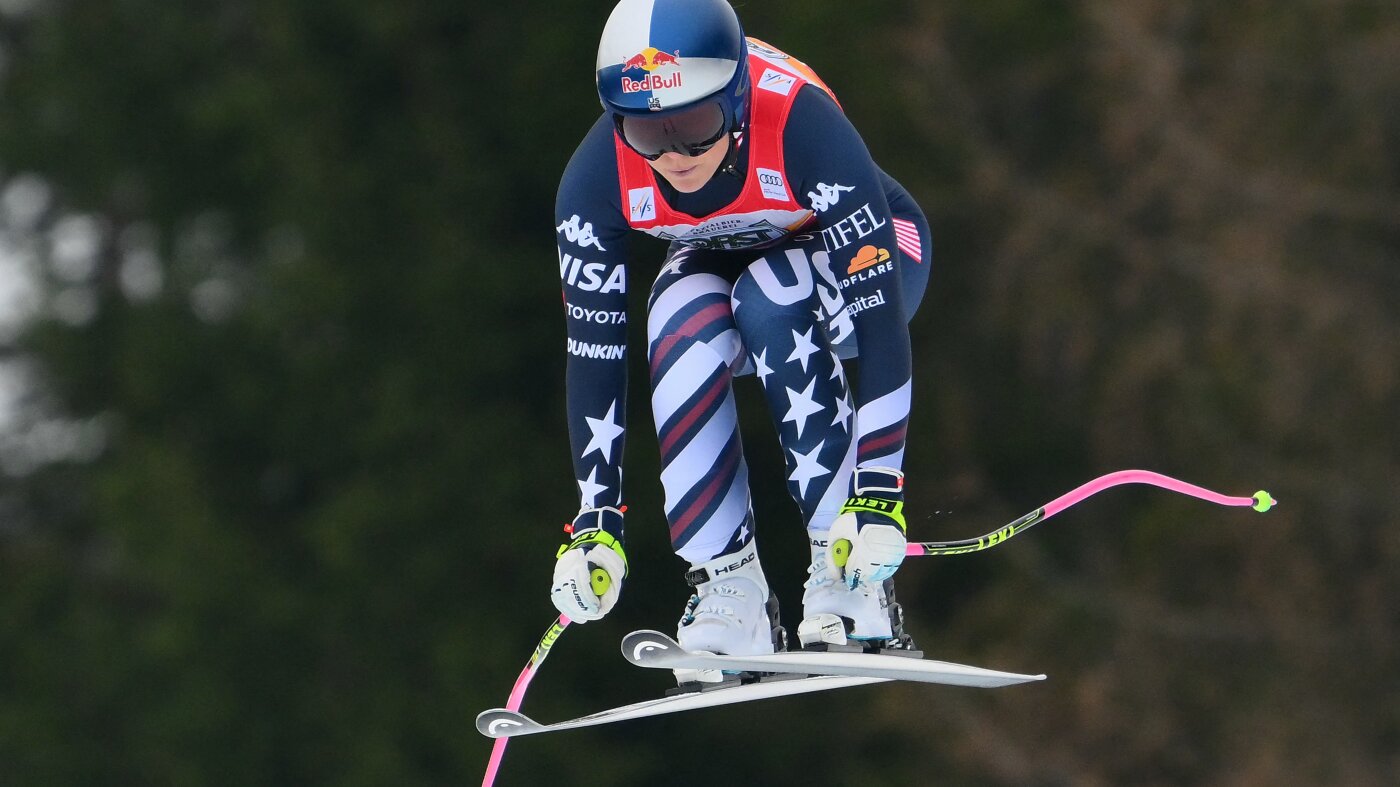
What to watch at the 2026 OlympicsImage Credit: NPR News
Key Points
- •Why it matters: For stakeholders from network parent Comcast to individual athlete sponsors, the two weeks of the Winter Games are a high-stakes financial crucible. The outcomes—on and off the ice—will dictate marketing strategies, media business models, and sponsorship valuations for years to come.
- •Driving the news: As highlighted by NPR Media Correspondent David Folkenflik, NBC's strategy is a delicate balance between maximizing traditional broadcast ad revenue and driving subscriptions for its streaming service, Peacock.
- •Ratings vs. Subscribers: The core tension for NBC is how much premium content to air on its linear network, which commands high advertising rates, versus what to place exclusively behind Peacock's paywall to attract new subscribers. A successful U.S. hockey run or a Lindsey Vonn comeback are ratings gold, and every decision on where to air these moments has direct financial consequences.
- •Ad Revenue: The Olympics are one of the last "must-see" live television events, allowing NBC to command premium prices for 30-second ad spots. The network will be looking to recoup a substantial portion of its rights fee from advertisers who want to reach a massive, engaged audience. The performance of star athletes directly correlates to viewership and, therefore, ad revenue.
- •The Peacock Play: For Comcast, the Olympics are a primary engine for its streaming ambitions. The company uses the games as a major acquisition tool for Peacock, hoping users who sign up for the Olympics will remain subscribers long-term. The key metric here is not just sign-ups, but churn rate in the months following the closing ceremony.
Here is the complete news article in markdown format.
Beyond the Medals: The Financial Storylines of the 2026 Olympics
While the world's attention will be fixed on the medal counts in Milan and Cortina d'Ampezzo, the 2026 Winter Olympics represent a far more complex competition for the corporations, broadcasters, and athletes whose fortunes are tied to the games. This is a multi-billion dollar enterprise where the most critical metrics are often return on investment, brand exposure, and subscriber growth.
Why it matters: For stakeholders from network parent Comcast to individual athlete sponsors, the two weeks of the Winter Games are a high-stakes financial crucible. The outcomes—on and off the ice—will dictate marketing strategies, media business models, and sponsorship valuations for years to come.
Here are the key financial narratives to watch at the 2026 Winter Olympics.
The $7.75 Billion Broadcast Bet
NBCUniversal's parent company, Comcast, is in the midst of a $7.75 billion deal for the U.S. broadcast rights for the Olympic Games through 2032. With the 2026 games returning to a favorable European time zone, the pressure to deliver a significant financial return is immense.
Driving the news: As highlighted by NPR Media Correspondent David Folkenflik, NBC's strategy is a delicate balance between maximizing traditional broadcast ad revenue and driving subscriptions for its streaming service, Peacock.
- Ratings vs. Subscribers: The core tension for NBC is how much premium content to air on its linear network, which commands high advertising rates, versus what to place exclusively behind Peacock's paywall to attract new subscribers. A successful U.S. hockey run or a Lindsey Vonn comeback are ratings gold, and every decision on where to air these moments has direct financial consequences.
- Ad Revenue: The Olympics are one of the last "must-see" live television events, allowing NBC to command premium prices for 30-second ad spots. The network will be looking to recoup a substantial portion of its rights fee from advertisers who want to reach a massive, engaged audience. The performance of star athletes directly correlates to viewership and, therefore, ad revenue.
- The Peacock Play: For Comcast, the Olympics are a primary engine for its streaming ambitions. The company uses the games as a major acquisition tool for Peacock, hoping users who sign up for the Olympics will remain subscribers long-term. The key metric here is not just sign-ups, but churn rate in the months following the closing ceremony.
Athlete Inc: Endorsements on the Edge
For individual athletes, Olympic glory translates directly into earning power. But for their sponsors, it's a high-risk, high-reward investment in human performance. The 2026 games feature two compelling case studies in athlete brand management.
Lindsey Vonn: A Test of Brand Resurrection
A potential comeback by skiing legend Lindsey Vonn is far more than a sentimental storyline; it's a calculated business decision and a test of a legacy brand's resilience.
- Sponsorship ROI: Vonn's long-term partners, such as Under Armour, Red Bull, and Head, have invested millions in her brand over two decades. A successful return, even without a medal, generates enormous media value and reinforces her image of perseverance, providing a significant return on their enduring investment.
- Marketability: A comeback narrative is powerfully marketable. It creates a new chapter for content, documentaries, and ad campaigns that can be more compelling than simply celebrating past victories. The financial upside of a successful comeback in terms of new, short-term sponsorship deals could be in the seven-figure range.
- The Risk: The flip side is the risk of underperformance. A comeback that falls short of expectations could dilute the "champion" brand she has meticulously built. Sponsors are betting that the power of the story outweighs the risk of a disappointing result on the slopes.
Chloe Kim: Managing Star Power Risk
Snowboarding phenom Chloe Kim’s journey to the games, shadowed by a shoulder injury, is a stark reminder of the inherent volatility of athlete endorsements.
- Key Person Risk: Kim is a centerpiece for major brands like Nike, Toyota, and Procter & Gamble. Her health is a material risk to their nine-figure Olympic marketing activations. An injury that limits or prevents participation can derail entire campaigns that have been in development for years.
- Contractual Protections: This situation highlights the importance of morality and injury clauses in sponsorship contracts. Brands often build in financial protections or alternative marketing obligations (e.g., social media promotion, commentary) should an athlete be unable to compete.
- The Insurance Equation: The ecosystem around a star like Kim includes significant insurance policies taken out by sponsors, the U.S. Olympic & Paralympic Committee, and other stakeholders to mitigate the financial loss resulting from a star athlete's withdrawal from competition.
The Team Premium: U.S. Hockey's Shot at Gold
While individual stars often capture the headlines, the performance of a high-profile team like the U.S. men's hockey team carries a unique and broad-based economic impact.
The big picture: A "Miracle on Ice"-style run for gold would create a halo effect that benefits the entire sport in the United States, from grassroots participation to professional league viewership.
- Broadcast Windfall: A U.S. team in the gold medal game is a ratings bonanza for NBC. The final game could become the most-watched event of the Olympics, allowing the network to charge its highest ad rates and drive a massive wave of last-minute Peacock sign-ups.
- Merchandise Sales: A successful and charismatic team drives a surge in merchandise sales. A gold medal victory would translate into millions in revenue from jerseys, hats, and other memorabilia for USA Hockey and its official suppliers.
- Boosting the Sport: The long-term financial impact is perhaps the most significant. A gold medal would inspire a new generation of players, boosting participation in youth hockey programs across the country—a direct pipeline of future consumers and players for the entire hockey ecosystem, including the NHL.
The Bottom Line
The 2026 Winter Olympics are a convergence of sport and commerce on a global scale. The stories to watch extend far beyond the finish line.
What’s next: The financial performance of NBC's broadcast, the sponsorship ROI from athletes like Vonn and Kim, and the economic ripple effect of team success will provide a crucial blueprint for the 2028 Summer Games in Los Angeles. For investors, marketers, and executives, the results from Milan and Cortina will be analyzed long after the flame is extinguished, shaping the business of sports for the next decade.
Source: NPR News
Related Articles
Nationwide Protests Against ICE Enforcement Erupt in U.S.
Thousands are protesting ICE after the DOJ declined to investigate a fatal agent-involved shooting in Minneapolis, fueling a national movement and public anger.
Venezuela Amnesty Bill Could Free Political Prisoners
Learn about Venezuela's proposed amnesty bill to release political prisoners. The move could signal a major political shift and affect future economic sanctions
Pokémon Cancels Yasukuni Shrine Event After Backlash
The Pokémon Company has canceled an event at Tokyo's controversial Yasukuni Shrine after facing international backlash from China and South Korea.
US to Lose Measles Elimination Status: What It Means
The U.S. is poised to lose its measles elimination status due to escalating outbreaks. Learn what this downgrade means for public health and the economy.