Former Scottish health secretary Jeane Freeman dies aged 72
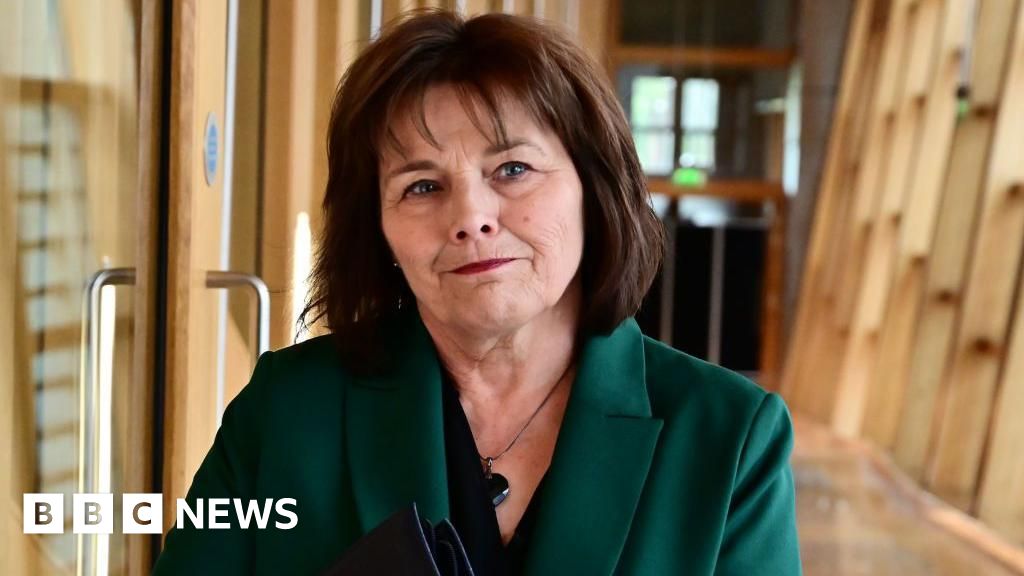
Former Scottish health secretary Jeane Freeman dies aged 72Image Credit: BBC News
Key Points
- •EDINBURGH – Jeane Freeman, the formidable former Scottish Health Secretary who stewarded the nation’s multi-billion-pound health service through the unprecedented financial and human crisis of the COVID-19 pandemic, has died at the age of 72.
- •Unprecedented Fiscal Responsibility: Freeman was the ultimate custodian of the NHS Scotland budget, which stood at over £15 billion when she took office and swelled significantly under the strain of the pandemic. Her decisions directly impacted the allocation of nearly half of the Scottish Government's entire discretionary budget.
- •Inherited Financial Pressures: Even before COVID-19, her portfolio was dominated by challenging financial metrics. She grappled with persistent issues of rising drug costs, NHS staff pay negotiations, and the immense cost associated with tackling record-high waiting lists for treatment.
- •Massive Financial Mobilization: Under her leadership, billions were spent on securing Personal Protective Equipment (PPE), establishing a nationwide Test and Protect system, and commissioning the NHS Louisa Jordan—a temporary hospital built in Glasgow's SEC Centre—as a contingency for overflowing patient numbers.
- •The Care Home Crisis: Her tenure was also marked by intense scrutiny and criticism over the decision in the early stages of the pandemic to transfer untested hospital patients into care homes. This policy, aimed at freeing up hospital beds, was later linked to outbreaks and became a source of deep political and personal regret, highlighting the tragic human cost behind logistical decisions.
Former Scottish health secretary Jeane Freeman dies aged 72
EDINBURGH – Jeane Freeman, the formidable former Scottish Health Secretary who stewarded the nation’s multi-billion-pound health service through the unprecedented financial and human crisis of the COVID-19 pandemic, has died at the age of 72.
Her death was confirmed by her family, who praised her strength and paid tribute to the healthcare staff who cared for her. A towering figure in Scottish politics, Freeman’s tenure was defined by the immense logistical and fiscal challenges of a global health emergency and her ambitious, and costly, vision for a National Care Service.
In a statement, her family expressed gratitude to the staff at Queen Elizabeth University Hospital, whose "professional skill, care and sensitivity were exceptional." They added, "We were both very grateful and also for the outpouring of love and concern from so many, across politics and beyond. Be kind to each other, that is what changes the world."
The Steward of Scotland's Largest Budget
Appointed Cabinet Secretary for Health and Sport in 2018, Jeane Freeman took control of the largest and most complex area of devolved government spending. She was not just a health minister but the chief executive of a colossal public enterprise, facing immense financial pressures long before the pandemic.
Her role placed her at the intersection of public health policy and fiscal reality, a position that would be tested like never before.
-
Unprecedented Fiscal Responsibility: Freeman was the ultimate custodian of the NHS Scotland budget, which stood at over £15 billion when she took office and swelled significantly under the strain of the pandemic. Her decisions directly impacted the allocation of nearly half of the Scottish Government's entire discretionary budget.
-
Inherited Financial Pressures: Even before COVID-19, her portfolio was dominated by challenging financial metrics. She grappled with persistent issues of rising drug costs, NHS staff pay negotiations, and the immense cost associated with tackling record-high waiting lists for treatment.
Navigating a Once-in-a-Century Crisis
Freeman’s time in office will be forever synonymous with the COVID-19 pandemic. She became the public face of the government’s response, fronting daily briefings and making decisions with profound economic and social consequences. This period saw an unprecedented mobilization of public funds under her direction.
The crisis forced a complete re-evaluation of health spending, shifting from long-term planning to emergency procurement and rapid infrastructure development on a scale not seen in generations.
-
Massive Financial Mobilization: Under her leadership, billions were spent on securing Personal Protective Equipment (PPE), establishing a nationwide Test and Protect system, and commissioning the NHS Louisa Jordan—a temporary hospital built in Glasgow's SEC Centre—as a contingency for overflowing patient numbers.
-
The Care Home Crisis: Her tenure was also marked by intense scrutiny and criticism over the decision in the early stages of the pandemic to transfer untested hospital patients into care homes. This policy, aimed at freeing up hospital beds, was later linked to outbreaks and became a source of deep political and personal regret, highlighting the tragic human cost behind logistical decisions.
-
Vaccine Rollout Logistics: Freeman oversaw the initial stages of Scotland's COVID-19 vaccine program, a monumental logistical and financial undertaking. It required coordinating a national supply chain, establishing mass vaccination centres, and mobilizing thousands of staff and volunteers, representing one of the largest public health investments in Scottish history.
Architect of a Landmark—and Costly—Reform
Beyond the immediate crisis, Freeman's most enduring legacy may be her role as the architect of the proposed National Care Service (NCS). Stemming from a review she commissioned into adult social care, the NCS represents a radical and financially momentous overhaul of the sector.
The policy aims to end what is often termed a "postcode lottery" in care provision by centralizing the fragmented system currently run by 32 separate local authorities, with the goal of standardizing quality, pay, and access.
-
Centralizing a £5bn Sector: The NCS seeks to bring the entire adult social care system, a sector with an estimated annual spend of over £5 billion, under a single national body. This represents one of the most significant transfers of financial power from local to national government since devolution.
-
Ending the 'Postcode Lottery': A key financial driver for the reform is the elimination of inconsistencies in charging and service levels across different council areas. The goal is to create a more equitable system, though critics have raised concerns about the final cost of nationalizing pay scales and service standards.
-
An Unfinished Financial Legacy: While Freeman laid the groundwork, the full financial implications and final structure of the NCS remain a subject of intense debate for the current government. The projected costs and logistical challenges of implementing her vision are now a central and contentious issue in Scottish public finance.
A Career Spanning Scotland's Political Shifts
Freeman's career mirrored the dramatic shifts in Scottish politics over the past three decades. She began her political life as a senior advisor to Donald Dewar, Scotland's inaugural First Minister and an icon of the Labour Party.
However, her conviction grew that independence was the necessary route for delivering social justice in Scotland. She became a prominent figure in the Women for Independence group and a key voice in the 2014 "Yes" campaign. She was elected to the Scottish Parliament as an SNP MSP for Carrick, Cumnock and Doon Valley in 2016, entering government just two years later.
Implications and The Path Forward
Jeane Freeman leaves a complex legacy of crisis management and ambitious reform. Remembered by colleagues across the political spectrum for her sharp intellect, directness, and deep commitment to public service, her impact on Scotland's public finances and health infrastructure is undeniable.
The immediate task for her successors is to navigate the fallout from the pandemic, primarily by tackling the record waiting lists that grew under the emergency measures she implemented.
More profoundly, the debate over her signature policy, the National Care Service, will continue to dominate the Scottish political and financial landscape for years to come. The current government is now tasked with delivering on—or fundamentally altering—her vision, facing the same fiscal constraints and structural challenges she sought to solve. Her work set the agenda, and its final chapter is yet to be written.
Source: BBC News
Related Articles
Nationwide Protests Against ICE Enforcement Erupt in U.S.
Thousands are protesting ICE after the DOJ declined to investigate a fatal agent-involved shooting in Minneapolis, fueling a national movement and public anger.
Venezuela Amnesty Bill Could Free Political Prisoners
Learn about Venezuela's proposed amnesty bill to release political prisoners. The move could signal a major political shift and affect future economic sanctions
Pokémon Cancels Yasukuni Shrine Event After Backlash
The Pokémon Company has canceled an event at Tokyo's controversial Yasukuni Shrine after facing international backlash from China and South Korea.
US to Lose Measles Elimination Status: What It Means
The U.S. is poised to lose its measles elimination status due to escalating outbreaks. Learn what this downgrade means for public health and the economy.