Fourteen Migrants Dead in Greek Coastguard Collision
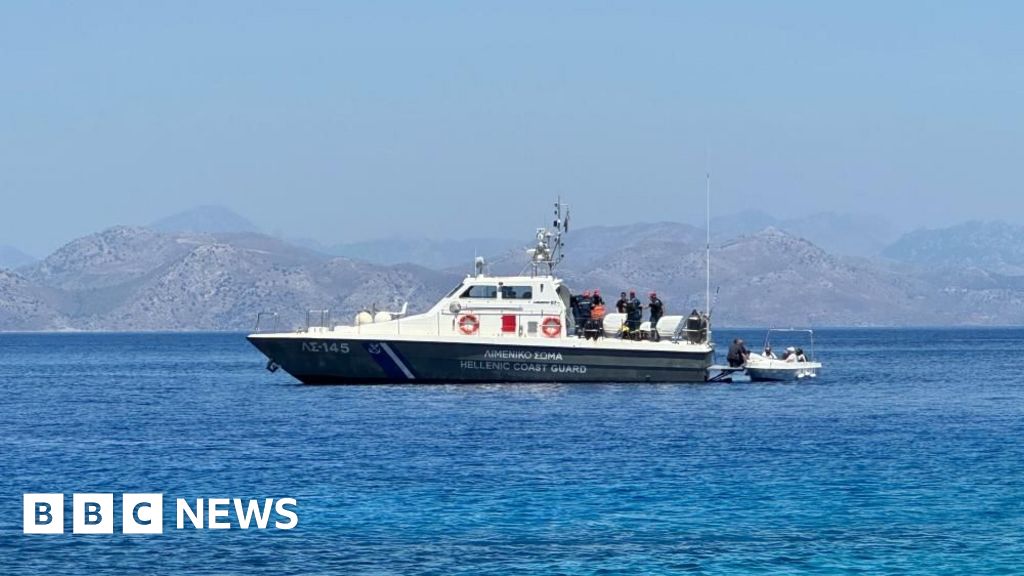
Fourteen migrants dead after collision with Greek coastguard boatImage Credit: BBC News
Key Points
- •CHIOS, GREECE – A high-speed pursuit in the Aegean Sea ended in tragedy in the early hours of the morning, leaving at least fourteen migrants, including several children, dead after their speedboat collided with a Greek coastguard vessel. The incident, which occurred in the narrow Chios Strait separating the Greek island from the Turkish coast, has cast a harsh spotlight on the deadly risks of irregular migration and the increasingly aggressive tactics employed to control the European Union's maritime borders.
- •The Collision: According to the Hellenic Coast Guard, one of its patrol boats identified a suspicious, high-speed inflatable boat moving from the Turkish coast towards Chios. When hailed, the speedboat allegedly attempted to evade the patrol, leading to a pursuit that culminated in the fatal collision.
- •The Location: The Chios Strait is a notoriously challenging waterway. At its narrowest, it is less than 4 nautical miles wide, making it a prime channel for human smugglers seeking the shortest possible route from Turkey to EU territory.
- •The Casualties: Fourteen bodies have been recovered, with reports indicating women and children are among the deceased. A small number of survivors were rescued from the water and have been transported to Chios for medical attention and processing. The total number of people on board the vessel remains unconfirmed.
- •The Official Account: The Greek government maintains its coastguard was operating within its legal framework to secure the nation's borders. The focus of their narrative is on the recklessness of the smugglers, who they blame for endangering the lives of the passengers by overloading the vessel and attempting a dangerous escape.
Fourteen migrants dead after collision with Greek coastguard boat
CHIOS, GREECE – A high-speed pursuit in the Aegean Sea ended in tragedy in the early hours of the morning, leaving at least fourteen migrants, including several children, dead after their speedboat collided with a Greek coastguard vessel. The incident, which occurred in the narrow Chios Strait separating the Greek island from the Turkish coast, has cast a harsh spotlight on the deadly risks of irregular migration and the increasingly aggressive tactics employed to control the European Union's maritime borders.
Greek authorities reported that the migrant vessel was engaged in "dangerous manoeuvres" at high speed and had refused to stop, prompting the pursuit. The collision took place near the coastal village of Vrontades, a frequent crossing point for smugglers. The Hellenic Coast Guard has launched a search and rescue operation, but the high number of fatalities underscores the brutal reality facing both migrants and the authorities tasked with policing these waters.
This fatal encounter is not an isolated event but the latest flashpoint in a long-simmering crisis that carries significant human, political, and financial costs for Greece and the wider European Union.
The Incident: What We Know
Details are still emerging, but a preliminary picture of the event has been constructed from official statements and initial reports from the scene. The incident highlights the volatile and high-stakes nature of maritime interceptions.
- The Collision: According to the Hellenic Coast Guard, one of its patrol boats identified a suspicious, high-speed inflatable boat moving from the Turkish coast towards Chios. When hailed, the speedboat allegedly attempted to evade the patrol, leading to a pursuit that culminated in the fatal collision.
- The Location: The Chios Strait is a notoriously challenging waterway. At its narrowest, it is less than 4 nautical miles wide, making it a prime channel for human smugglers seeking the shortest possible route from Turkey to EU territory.
- The Casualties: Fourteen bodies have been recovered, with reports indicating women and children are among the deceased. A small number of survivors were rescued from the water and have been transported to Chios for medical attention and processing. The total number of people on board the vessel remains unconfirmed.
- The Official Account: The Greek government maintains its coastguard was operating within its legal framework to secure the nation's borders. The focus of their narrative is on the recklessness of the smugglers, who they blame for endangering the lives of the passengers by overloading the vessel and attempting a dangerous escape.
A Deadly Route: The Economics of Aegean Crossings
The Eastern Mediterranean remains a critical, albeit perilous, corridor for migrants and refugees seeking entry into the EU. The journey is fueled by a sophisticated and ruthless smuggling economy that preys on desperation.
- The Smuggling Economy: Human smuggling networks charge exorbitant fees, often thousands of euros per person, for a place on an overcrowded and unseaworthy vessel. This illicit trade represents a multi-million-euro black market, creating powerful economic incentives that defy border control efforts. The vessels used are often single-use and of poor quality, maximizing profit while externalizing all risk onto the passengers.
- The EU-Turkey Agreement: A 2016 deal, in which the EU provided billions of euros in funding to Turkey, was designed to stem the flow of migrants to the Greek islands. While it initially led to a dramatic drop in arrivals, numbers have been creeping up as geopolitical tensions and economic hardship in the region persist. This latest incident raises further questions about the long-term viability of the agreement.
- Increased Risk Profile: As enforcement has become stricter, smugglers have adapted by using faster boats, travelling at night, and taking more dangerous routes to evade detection. This escalation in tactics directly increases the risk of fatal accidents like the one seen off Chios.
Greece on the Frontline: Policy and Fiscal Strain
As a primary entry point into the EU, Greece bears a disproportionate financial and logistical burden in managing migration. The current center-right government, led by Prime Minister Kyriakos Mitsotakis, has made a hardline border security policy a central pillar of its administration.
- Fiscal Burden: Greece has allocated significant national funds, supplemented by EU financing, to bolster its border infrastructure. This includes purchasing new patrol vessels, expanding surveillance technology, and increasing coastguard personnel. The operational costs of policing thousands of miles of coastline are a persistent strain on the national budget, which is still recovering from a decade-long debt crisis.
- Government Policy: The Mitsotakis government has prioritized "actively and effectively" protecting its borders, a stance that has strong domestic support but has drawn criticism from human rights organizations. Officials argue these measures are necessary to dismantle smuggling rings and prevent a repeat of the 2015-2016 migration crisis.
- EU Support and Scrutiny: Frontex, the European Border and Coast Guard Agency, works alongside the Hellenic Coast Guard. While it provides critical resources and personnel, the agency itself has faced intense scrutiny and allegations of complicity in illegal "pushbacks"—the practice of forcing migrant boats back out of a country's territorial waters.
Implications and The Path Forward
The deaths in the Chios Strait will inevitably trigger calls for independent investigation from humanitarian bodies and legal experts, who will scrutinize the official Greek narrative. The incident is a stark reminder of the human cost of Europe's migration policies and is set to intensify the debate in Brussels.
This tragedy brings the fundamental conflict at the heart of EU policy into sharp relief: the political imperative to secure external borders versus the legal and moral obligation to save lives at sea.
- Renewed Political Pressure: The incident will place renewed pressure on the EU to finalize and implement its New Pact on Migration and Asylum. This complex legislative package aims to create a more predictable and humane system for managing arrivals but has been bogged down by disputes among member states over responsibility-sharing.
- Focus on Accountability: Human rights groups will demand a transparent and impartial investigation into the circumstances of the collision to determine whether the actions of the coastguard were proportionate and in compliance with international maritime and human rights law.
- The Human and Financial Cost: Ultimately, this event underscores a grim reality. As long as the economic and political drivers of migration persist, desperate people will continue to attempt these journeys. The EU and its member states are left to grapple with a policy framework that is both financially costly and, as demonstrated today, tragically lethal. The question for policymakers is whether the current strategy of deterrence is sustainable or if a fundamental rethink is required to prevent the Aegean from claiming more lives.
Source: BBC News
Related Articles
Nationwide Protests Against ICE Enforcement Erupt in U.S.
Thousands are protesting ICE after the DOJ declined to investigate a fatal agent-involved shooting in Minneapolis, fueling a national movement and public anger.
Venezuela Amnesty Bill Could Free Political Prisoners
Learn about Venezuela's proposed amnesty bill to release political prisoners. The move could signal a major political shift and affect future economic sanctions
Pokémon Cancels Yasukuni Shrine Event After Backlash
The Pokémon Company has canceled an event at Tokyo's controversial Yasukuni Shrine after facing international backlash from China and South Korea.
US to Lose Measles Elimination Status: What It Means
The U.S. is poised to lose its measles elimination status due to escalating outbreaks. Learn what this downgrade means for public health and the economy.