UK Gov Rejects Petition for Mandatory Gloves at Ice Rinks
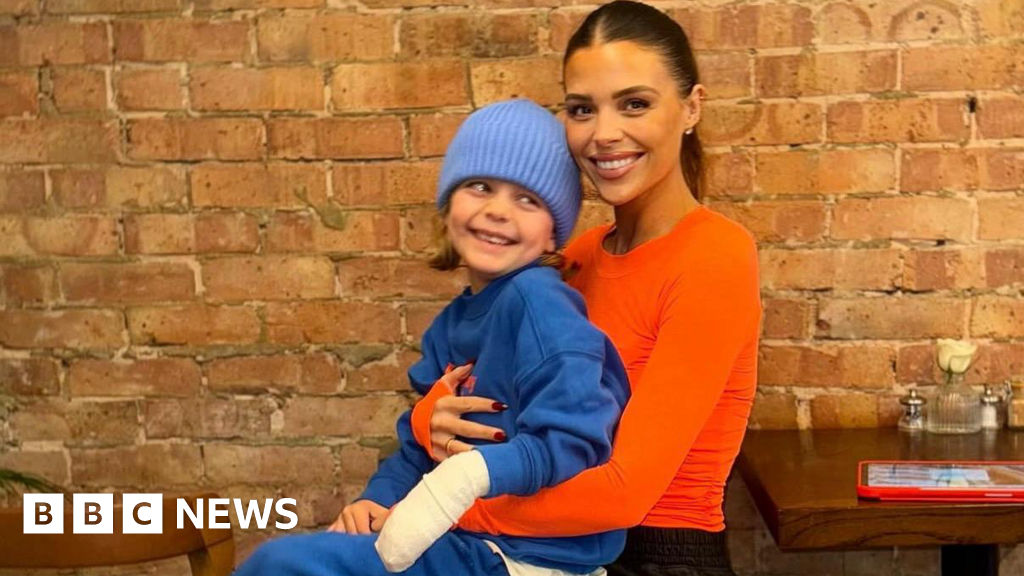
Government rejects petition for mandatory gloves at ice rinksImage Credit: BBC News
Key Points
- •LONDON – The UK government has formally rejected a public petition calling for mandatory glove-wearing at all public ice rinks, a proposal that gained significant traction following a high-profile, traumatic injury to a young boy. Citing concerns over regulatory overreach and the potential economic burden on businesses, the Department for Culture, Media and Sport (DCMS) stated that while it sympathises with the victim, a legislative mandate would be "disproportionate."
- •The Incident: According to his mother's account, Beau was injured during a public skating session when he fell and another skater's blade ran over his hand, severing his finger. The graphic and distressing nature of the injury galvanized public support.
- •The Petition's Goal: The petition called for a simple, non-negotiable rule: "All persons on the ice must wear gloves." Proponents argued this small measure could prevent catastrophic injuries, drawing parallels to helmet requirements in other sports.
- •Public Response: The petition garnered tens of thousands of signatures, with parents, skaters, and medical professionals amplifying its message. It highlighted a perceived gap in safety protocols for what is often considered a family-friendly recreational activity.
- •Direct Costs: The primary cost would be sourcing and providing gloves, either for free, for hire, or for mandatory purchase. For a large rink accommodating hundreds of skaters per day, the logistics and expense of stocking, sanitising, and managing thousands of pairs of gloves would be substantial.
Government Rejects Petition for Mandatory Gloves at Ice Rinks
LONDON – The UK government has formally rejected a public petition calling for mandatory glove-wearing at all public ice rinks, a proposal that gained significant traction following a high-profile, traumatic injury to a young boy. Citing concerns over regulatory overreach and the potential economic burden on businesses, the Department for Culture, Media and Sport (DCMS) stated that while it sympathises with the victim, a legislative mandate would be "disproportionate."
This decision places the government at the centre of a complex debate, balancing the emotional drive for enhanced safety against the principles of personal responsibility and the financial viability of leisure facilities nationwide.
Petition Sparked by Traumatic Injury
The nationwide campaign was initiated after a harrowing incident involving a young boy named Beau, whose story was shared by his mother, Lewis, in a widely circulated social media post. The petition quickly surpassed the 10,000-signature threshold required for an official government response.
-
The Incident: According to his mother's account, Beau was injured during a public skating session when he fell and another skater's blade ran over his hand, severing his finger. The graphic and distressing nature of the injury galvanized public support.
-
The Petition's Goal: The petition called for a simple, non-negotiable rule: "All persons on the ice must wear gloves." Proponents argued this small measure could prevent catastrophic injuries, drawing parallels to helmet requirements in other sports.
-
Public Response: The petition garnered tens of thousands of signatures, with parents, skaters, and medical professionals amplifying its message. It highlighted a perceived gap in safety protocols for what is often considered a family-friendly recreational activity.
A Cost-Benefit Conundrum for Regulators
The government's rejection hinges on a classic regulatory dilemma: weighing the cost and enforceability of a new rule against its potential benefits. The DCMS response suggests a preference for industry self-regulation and public awareness over top-down legal mandates.
From a financial and operational perspective, the decision is a reprieve for rink operators who feared the economic consequences of a new law.
The Business of Safety
For the UK's approximately 60 permanent and numerous seasonal ice rinks, a mandate would have introduced significant operational and financial challenges.
-
Direct Costs: The primary cost would be sourcing and providing gloves, either for free, for hire, or for mandatory purchase. For a large rink accommodating hundreds of skaters per day, the logistics and expense of stocking, sanitising, and managing thousands of pairs of gloves would be substantial.
-
Enforcement Burden: Staff would be tasked with enforcing the rule, potentially leading to confrontations with non-compliant customers and increasing staffing requirements at rink-side access points.
-
Insurance and Liability: While a mandate could theoretically lower the number of specific injury claims, it could also create new liabilities. A rink could be deemed negligent if it failed to enforce the rule perfectly or if a skater was injured while wearing facility-provided gloves that were deemed inadequate.
-
Ticket Pricing: Industry insiders suggest that these new operational costs would inevitably be passed on to the consumer through higher ticket prices, potentially making the activity less accessible.
Industry Reaction and Existing Protocols
The ice rink industry has largely supported the government's decision, arguing that existing safety measures are sufficient and that the focus should be on education.
An unofficial statement from a representative of the UK Ice Rink Association noted, "Our members are committed to safety, but we believe the most effective approach is to strongly recommend protective gear and empower skaters to take responsibility for their own wellbeing. A one-size-fits-all mandate is not the solution."
Most UK rinks already operate under a set of common, non-binding safety guidelines.
- Current Measures: Rinks typically use a combination of signage, pre-session announcements, and terms-of-service agreements to mitigate risk.
- Recommendations, Not Rules: Skaters are almost universally advised to wear gloves, long sleeves, and trousers. However, this is a recommendation, not a condition of entry.
- "Skate at Your Own Risk": This legal disclaimer is a cornerstone of the industry's liability management, placing the onus of awareness and personal safety on the participant.
- Staff Oversight: Rink marshals are trained to monitor for dangerous behaviour (e.g., high-speed skating, chain-skating) but are not typically tasked with enforcing a dress code beyond ensuring skates are worn.
The Path Forward: Education vs. Regulation
The government's rejection does not mark the end of the conversation. In its official response, the DCMS committed to working with national governing bodies like British Ice Skating and other sports councils to "promote the importance of wearing appropriate protective equipment."
-
Next Steps for Government: The focus will shift from legislation to collaboration. Expect government-backed awareness campaigns and a renewed push for sporting bodies to strengthen their safety guidance for affiliated clubs and rinks.
-
Next Steps for Campaigners: Supporters of the petition are likely to pivot their strategy. They may now focus on lobbying individual rink operators to adopt a mandatory glove policy voluntarily, using public pressure and the power of social media to highlight facilities that do or do not comply.
-
The Lingering Question: The debate over Beau's injury and the subsequent petition has permanently elevated the issue of safety in recreational skating. While a national law is off the table for now, rink operators are on notice. The incident has created a new level of public awareness, and the market itself—driven by concerned parents and skaters—may yet force the industry to adopt the very standards that the government has declined to impose. The ultimate outcome will serve as a key case study in the ongoing tension between public safety, personal freedom, and economic reality in the UK's leisure sector.
Source: BBC News
Related Articles
Nationwide Protests Against ICE Enforcement Erupt in U.S.
Thousands are protesting ICE after the DOJ declined to investigate a fatal agent-involved shooting in Minneapolis, fueling a national movement and public anger.
Venezuela Amnesty Bill Could Free Political Prisoners
Learn about Venezuela's proposed amnesty bill to release political prisoners. The move could signal a major political shift and affect future economic sanctions
Pokémon Cancels Yasukuni Shrine Event After Backlash
The Pokémon Company has canceled an event at Tokyo's controversial Yasukuni Shrine after facing international backlash from China and South Korea.
US to Lose Measles Elimination Status: What It Means
The U.S. is poised to lose its measles elimination status due to escalating outbreaks. Learn what this downgrade means for public health and the economy.