Great Western Railway to be Renationalised by 2026
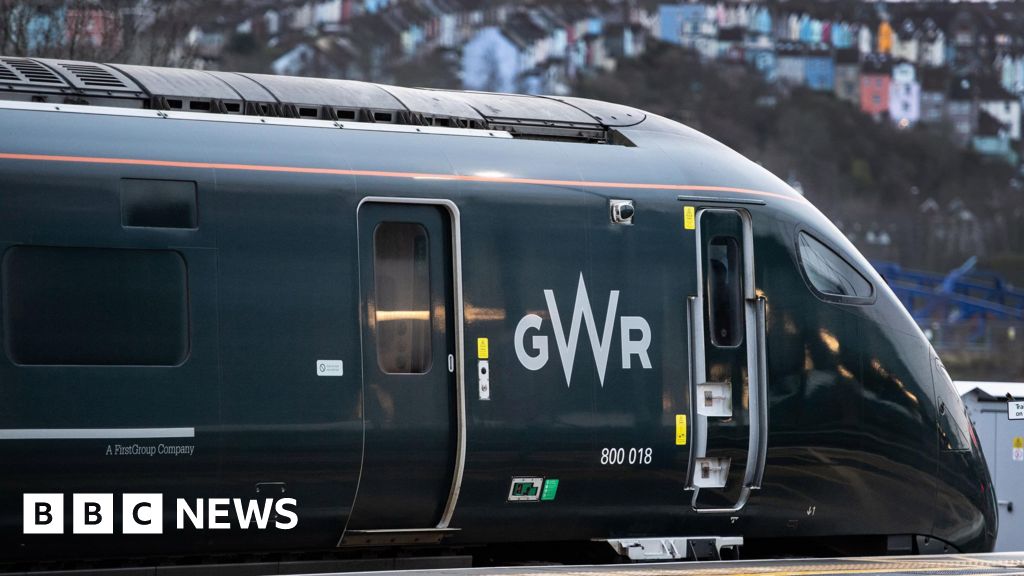
Great Western Railway to be renationalised by end of 2026Image Credit: BBC News
Key Points
- •LONDON – The Department for Transport (DfT) has confirmed that the Great Western Railway (GWR) franchise will be brought under public control by the end of 2026, ending over two decades of private operation by FirstGroup plc. This landmark decision marks one of the most significant steps yet in the government's sweeping overhaul of the UK's rail network, moving away from the fragmented franchise model towards a new, centralised public body.
- •End of an Era: The current Direct Award contract held by FirstGroup's GWR subsidiary will not be renewed or extended beyond its 2026 expiry. FirstGroup has operated the franchise since 2006.
- •New Public Operator: Services will be managed by a new public sector Operator of Last Resort (OLR) under the direction and branding of Great British Railways, the new guiding mind for the UK rail system.
- •Vast Network: The change affects one of the UK's largest and most complex networks, serving over 100 million passenger journeys annually pre-pandemic and connecting London Paddington to major hubs like Bristol, Cardiff, Swansea, Oxford, and Penzance.
- •The Great British Railways Model: GBR is designed to act as a single national entity responsible for rail infrastructure, fare setting, timetabling, and contracting with private companies to run the trains themselves under a concession model. In cases like GWR, it will also have the capacity to operate services directly.
Great Western Railway to be Renationalised by End of 2026
LONDON – The Department for Transport (DfT) has confirmed that the Great Western Railway (GWR) franchise will be brought under public control by the end of 2026, ending over two decades of private operation by FirstGroup plc. This landmark decision marks one of the most significant steps yet in the government's sweeping overhaul of the UK's rail network, moving away from the fragmented franchise model towards a new, centralised public body.
The move will see services across the south-west of England, Wales, and the Thames Valley, including the historic London to Bristol line engineered by Isambard Kingdom Brunel, integrated into the nascent Great British Railways (GBR) organisation.
Officials stated the decision was made as the current contract with FirstGroup approaches its conclusion, providing a "natural juncture" to implement the government's long-term strategy for the railways.
The Core Announcement
The transition will be managed over the next two years to ensure service continuity. The DfT has emphasised that there will be no immediate changes for passengers or staff, with a focus on a "seamless transfer" of operations, assets, and personnel.
- End of an Era: The current Direct Award contract held by FirstGroup's GWR subsidiary will not be renewed or extended beyond its 2026 expiry. FirstGroup has operated the franchise since 2006.
- New Public Operator: Services will be managed by a new public sector Operator of Last Resort (OLR) under the direction and branding of Great British Railways, the new guiding mind for the UK rail system.
- Vast Network: The change affects one of the UK's largest and most complex networks, serving over 100 million passenger journeys annually pre-pandemic and connecting London Paddington to major hubs like Bristol, Cardiff, Swansea, Oxford, and Penzance.
A Shift in National Rail Strategy
This renationalisation is not an isolated event but a cornerstone of the reforms outlined in the Williams-Shapps Plan for Rail. The plan, published in 2021, aims to end the complex and often adversarial franchising system that has defined Britain's railways since privatisation in the 1990s.
The government's rationale is to create a more unified, accountable, and efficient railway. By bringing track and train together under GBR, the goal is to simplify fares, coordinate timetables, and make single-point-of-contact decisions on investment and service standards.
- The Great British Railways Model: GBR is designed to act as a single national entity responsible for rail infrastructure, fare setting, timetabling, and contracting with private companies to run the trains themselves under a concession model. In cases like GWR, it will also have the capacity to operate services directly.
- Performance and Accountability: While GWR has invested significantly in its fleet, including the rollout of new Intercity Express Trains, the network has faced persistent criticism over punctuality, overcrowding on certain routes, and the reliability of its aging regional rolling stock. Bringing the service in-house is intended to provide more direct control over performance metrics.
Impact on FirstGroup
For FirstGroup plc, the decision represents the loss of a flagship franchise. GWR has been a significant and consistent revenue generator for the transport giant. The market is expected to react to the news when the London Stock Exchange opens, with analysts closely watching the impact on FirstGroup's share price and future UK rail strategy.
In a prepared statement, FirstGroup's CEO Graham Sutherland expressed disappointment but affirmed the company's commitment to the transition. "We are proud of our record at GWR, where we have delivered the biggest fleet upgrade in a generation and introduced new services. We will now work closely with the DfT and GBR to ensure a smooth and professional handover for our passengers and our dedicated team of 7,000 colleagues."
- FirstGroup's GWR Operations: The franchise is a major component of FirstGroup's rail division. In the last full financial year, it generated revenues in excess of £1.2 billion. The operator manages over 200 stations and a fleet of more than 1,500 train carriages.
From Brunel to British Rail and Back
The Great Western Main Line is one of the world's oldest railways, a testament to 19th-century engineering. Its operational history reflects the cyclical nature of the UK's entire rail industry, moving between private and public ownership.
The renationalisation in 2026 will, in effect, bring the line back into a structure reminiscent of the pre-privatisation British Rail era, albeit with a modern, commercially-focused framework under GBR.
- A Historic Timeline:
- 1841: The original Great Western Railway line, built by Isambard Kingdom Brunel, fully opens between Bristol and London.
- 1948: The "Big Four" railway companies, including GWR, are nationalised to form British Rail.
- 1996: As part of privatisation, the franchise is first awarded to Great Western Holdings.
- 2006: FirstGroup begins operating the newly-combined Great Western franchise.
- 2026 (planned): Operations to transfer to public control under Great British Railways.
Industry and Passenger Response
The announcement has drawn a mixed but broadly predictable response from industry stakeholders, passenger groups, and trade unions.
- Passenger Advocates: Groups like Transport Focus have offered cautious optimism, stating that the ultimate test will be whether the new structure delivers better value and reliability for passengers. Their primary concerns are fare simplification and improved service on rural branch lines.
- Trade Unions: The RMT and ASLEF unions have welcomed the decision as a step towards a fully integrated, publicly owned railway. A spokesperson for the RMT called it "a victory for common sense" and urged the government to provide guarantees on jobs, pay, and conditions for all staff transferring to the new entity.
The Path to 2026
The next two years will be a critical period of transition. A joint committee comprising DfT, FirstGroup, and GBR representatives will be established to oversee the complex process of transferring thousands of employees, extensive rolling stock leases, and station management responsibilities.
This move is widely seen as a test case for the GBR model. Its success or failure in managing the vast GWR network will heavily influence the future of other major intercity and commuter franchises as their contracts come up for renewal. The journey for Brunel's railway continues, entering yet another new chapter in its long and storied history.
- Next Steps:
- Q4 2024: Establishment of a joint transition team.
- 2025: Detailed planning for the transfer of assets, staff (under TUPE regulations), and operational systems.
- H2 2026: Formal handover of operations from FirstGroup to the new GBR-led public operator.
Source: BBC News
Related Articles
Nationwide Protests Against ICE Enforcement Erupt in U.S.
Thousands are protesting ICE after the DOJ declined to investigate a fatal agent-involved shooting in Minneapolis, fueling a national movement and public anger.
Venezuela Amnesty Bill Could Free Political Prisoners
Learn about Venezuela's proposed amnesty bill to release political prisoners. The move could signal a major political shift and affect future economic sanctions
Pokémon Cancels Yasukuni Shrine Event After Backlash
The Pokémon Company has canceled an event at Tokyo's controversial Yasukuni Shrine after facing international backlash from China and South Korea.
US to Lose Measles Elimination Status: What It Means
The U.S. is poised to lose its measles elimination status due to escalating outbreaks. Learn what this downgrade means for public health and the economy.