Guernsey Food Bank Use Soars Amid Cost of Living Crisis
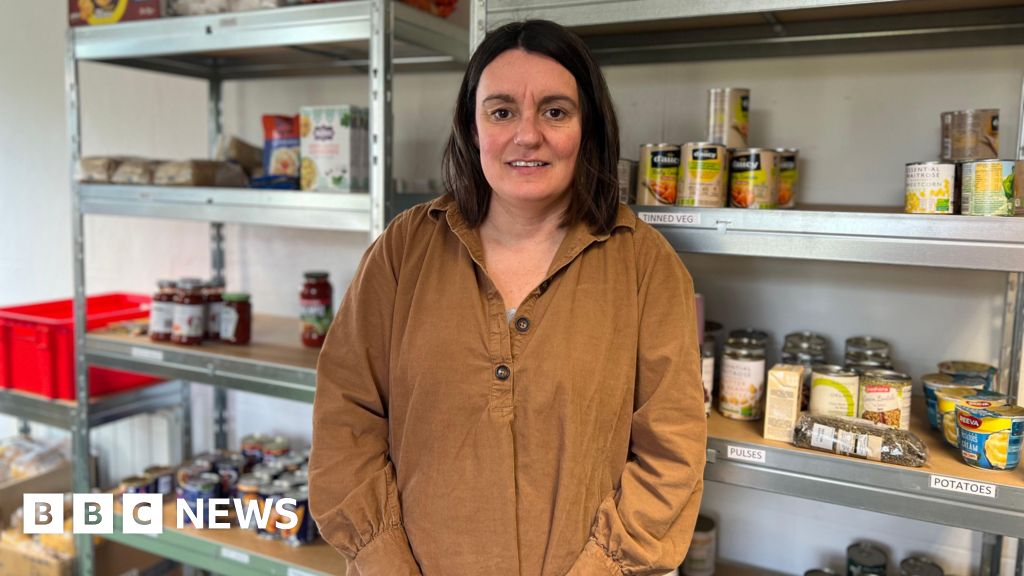
Rising food bank use in Guernsey 'a sad picture of our community'Image Credit: BBC Business (Finance)
Key Points
- •ST PETER PORT, Guernsey – Guernsey, an island synonymous with financial prosperity and a robust offshore finance industry, is confronting a burgeoning cost-of-living crisis, as record demand at local food banks paints what one charity head has called "a sad picture of our community." The escalating need for basic provisions is forcing a difficult conversation about the island's social safety net and prompting calls for significant government intervention.
- •Persistent Inflation: While global inflation has shown signs of easing, the cost of essential goods in Guernsey remains stubbornly high. Food and energy prices, in particular, have inflicted significant financial pain. The latest data indicates food price inflation on the island has consistently outpaced headline rates, eroding household purchasing power week by week.
- •The Housing Crunch: Guernsey's property market is one of the most expensive in the British Isles. Sky-high rental costs consume a substantial portion of average incomes, leaving little room for other expenditures. A recent market analysis showed the average monthly rent for a two-bedroom apartment now exceeds 60% of the take-home pay for a single person earning the island's median wage.
- •Stagnant Real-Term Wages: While some sectors have seen wage growth, for many, pay increases have failed to match the rate of inflation. This results in a "real-terms" pay cut, meaning that even with a larger paycheque, households can afford less than they could a year ago. The gap between income and essential expenditure is widening at an alarming rate.
- •Targeted Benefit Adjustments: The current structure of social security benefits may not adequately reflect the true cost of living in Guernsey. The proposal is to conduct an urgent review and adjust benefit rates to ensure the lowest-income households are properly shielded from inflation, particularly in housing and food costs.
Rising food bank use in Guernsey 'a sad picture of our community'
ST PETER PORT, Guernsey – Guernsey, an island synonymous with financial prosperity and a robust offshore finance industry, is confronting a burgeoning cost-of-living crisis, as record demand at local food banks paints what one charity head has called "a sad picture of our community." The escalating need for basic provisions is forcing a difficult conversation about the island's social safety net and prompting calls for significant government intervention.
The Guernsey Food Bank has reported unprecedented demand over the past 12 months, with figures indicating a nearly 40% rise in the number of households seeking emergency food parcels. This surge reflects a growing cohort of residents, including working families, who are finding their incomes insufficient to cover essential costs like housing, utilities, and groceries.
"We are seeing people who have never needed help before," said Sarah Le Page, manager of the Guernsey Food Bank. "These are not just individuals on benefits; they are people with jobs, sometimes multiple jobs, whose wages are simply not keeping pace with the soaring cost of island life. It's a hidden crisis unfolding behind the facade of a wealthy jurisdiction."
The Economic Squeeze
The rising dependency on charitable aid is not occurring in a vacuum. It is the direct result of a confluence of powerful economic pressures that are disproportionately affecting low and middle-income households on the island.
Financial analysts and social policy experts point to several key drivers behind the crisis:
-
Persistent Inflation: While global inflation has shown signs of easing, the cost of essential goods in Guernsey remains stubbornly high. Food and energy prices, in particular, have inflicted significant financial pain. The latest data indicates food price inflation on the island has consistently outpaced headline rates, eroding household purchasing power week by week.
-
The Housing Crunch: Guernsey's property market is one of the most expensive in the British Isles. Sky-high rental costs consume a substantial portion of average incomes, leaving little room for other expenditures. A recent market analysis showed the average monthly rent for a two-bedroom apartment now exceeds 60% of the take-home pay for a single person earning the island's median wage.
-
Stagnant Real-Term Wages: While some sectors have seen wage growth, for many, pay increases have failed to match the rate of inflation. This results in a "real-terms" pay cut, meaning that even with a larger paycheque, households can afford less than they could a year ago. The gap between income and essential expenditure is widening at an alarming rate.
A Call for Structural Policy Reform
The growing strain on the island's third sector has led to calls for the States of Guernsey to move beyond temporary support measures and implement more fundamental policy changes.
Alex Caine, a lead policy advisor at the Guernsey Social Policy Institute, argues that the current situation requires a multi-pronged approach to protect the most vulnerable residents. He outlined a series of potential interventions designed to address the root causes of financial hardship, rather than just its symptoms.
"Charity is plugging a gap that is becoming a chasm," Caine stated. "Relying on food banks is an unsustainable and undignified solution. We need to look at systemic adjustments that provide genuine financial security."
Caine’s proposals focus on three core areas of government policy:
-
Targeted Benefit Adjustments: The current structure of social security benefits may not adequately reflect the true cost of living in Guernsey. The proposal is to conduct an urgent review and adjust benefit rates to ensure the lowest-income households are properly shielded from inflation, particularly in housing and food costs.
-
Subsidised Essential Services: Caine suggests "making certain services free to access, even if they're paid for elsewhere" through the general tax system. This could include expanding free school meal programmes, subsidising public transport to reduce commuter costs, or removing charges for certain primary healthcare services, thereby freeing up household income for other necessities.
-
Direct Cost Controls: The most direct, and potentially controversial, suggestion involves tackling the island's largest single expense: housing. Caine noted that policymakers must consider "trying to control costs in other ways such as rent control." While politically complex, implementing some form of rent stabilisation or cap could provide immediate relief to thousands of tenants and prevent further unsustainable rent hikes in the short term.
A Crossroads for Guernsey
The debate highlights a fundamental tension within Guernsey's economy: the coexistence of significant private wealth alongside growing public poverty. The island's government, The States of Guernsey, has previously rolled out one-off cost-of-living payments and energy bill support, but critics argue these measures are temporary fixes for a long-term structural problem.
The reliance on food banks is seen not just as an economic indicator, but as a social one. It signals a potential fraying of a social contract in a community that has long prided itself on its high standard of living and stability.
As the States of Guernsey prepares for its next budget debate, the pressure to act decisively will be immense. The choices made in the coming months will determine whether the island continues to rely on the goodwill of charities to support its struggling residents or embarks on a path of significant policy reform aimed at creating a more equitable and resilient economy for all. The "sad picture" of rising food bank use serves as a stark reminder of the stakes involved.
Source: BBC Business (Finance)
Related Articles
Nationwide Protests Against ICE Enforcement Erupt in U.S.
Thousands are protesting ICE after the DOJ declined to investigate a fatal agent-involved shooting in Minneapolis, fueling a national movement and public anger.
Venezuela Amnesty Bill Could Free Political Prisoners
Learn about Venezuela's proposed amnesty bill to release political prisoners. The move could signal a major political shift and affect future economic sanctions
Pokémon Cancels Yasukuni Shrine Event After Backlash
The Pokémon Company has canceled an event at Tokyo's controversial Yasukuni Shrine after facing international backlash from China and South Korea.
US to Lose Measles Elimination Status: What It Means
The U.S. is poised to lose its measles elimination status due to escalating outbreaks. Learn what this downgrade means for public health and the economy.