Harry Brook on 'Horrendous' Nightclub Controversy | T20 WC
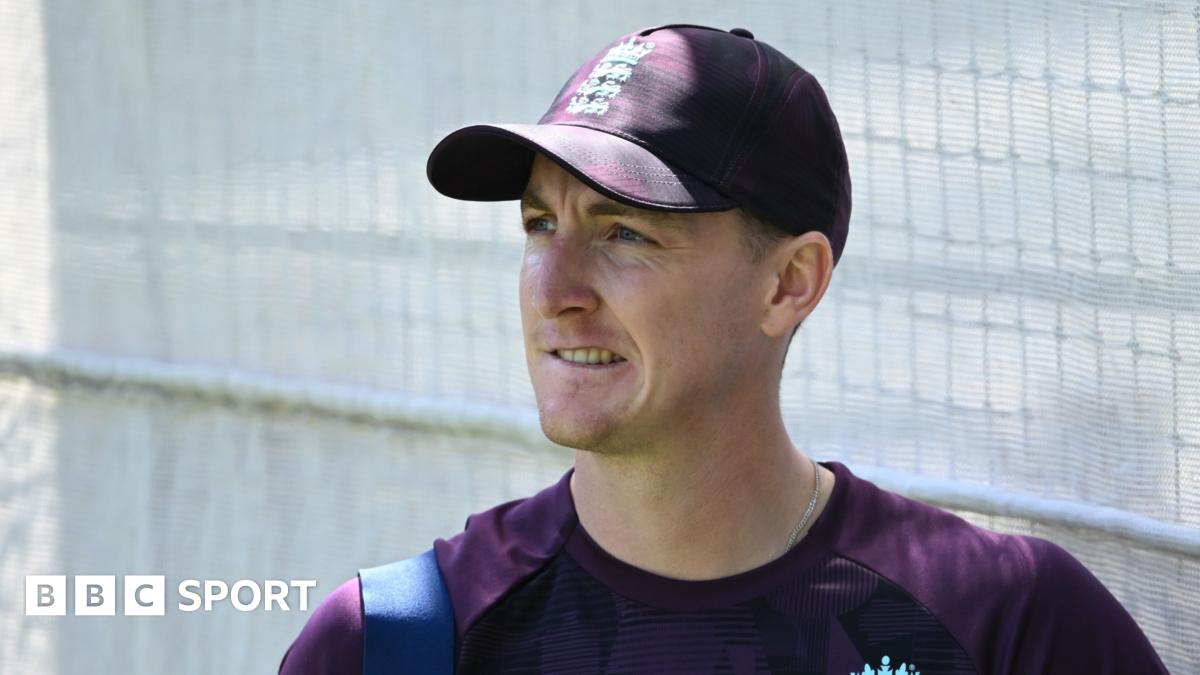
T20 World Cup: England captain Harry Brook says nightclub controversy has been "horrendous"Image Credit: BBC News
Key Points
- •LONDON – England's white-ball captain, Harry Brook, has broken his silence on the personal and professional turmoil following a nightclub altercation, describing the period as "horrendous" and a profound lesson in the immense responsibilities of leadership. Speaking ahead of the T20 World Cup, Brook's comments cast a spotlight on the significant reputational and financial pressures facing modern athletes, where off-field conduct is scrutinised as intensely as on-field performance.
- •Player Brand Value: An international captain's personal brand is a lucrative entity, attracting high-value sponsorship and endorsement deals. Off-field controversies can place these multi-million-pound agreements in jeopardy, as brands are increasingly unwilling to be associated with reputational risk.
- •ECB's Commercial Position: The ECB, as the sport's governing body, must protect the integrity and marketability of the England team brand. Incidents like these can impact overall sponsor confidence and broadcast partner relationships, which form the financial bedrock of the sport. The initial fine, while punitive, also serves as a signal to commercial partners that the board is managing its assets and liabilities.
- •Contractual Obligations: Player contracts invariably contain clauses related to conduct and bringing the game into disrepute. Repeated or serious breaches can lead to more severe financial penalties, suspension, or even contract termination, representing a direct financial threat to a player's career earnings.
- •On-Field Redemption: After the collective failure of the Ashes campaign, Brook's leadership came into its own during the recent tour of Sri Lanka. He successfully captained his side to victories in both the T20 and 50-over series, a crucial confidence boost for the team and a demonstration of his cricketing acumen.
T20 World Cup: England captain Harry Brook says nightclub controversy has been "horrendous"
LONDON – England's white-ball captain, Harry Brook, has broken his silence on the personal and professional turmoil following a nightclub altercation, describing the period as "horrendous" and a profound lesson in the immense responsibilities of leadership. Speaking ahead of the T20 World Cup, Brook's comments cast a spotlight on the significant reputational and financial pressures facing modern athletes, where off-field conduct is scrutinised as intensely as on-field performance.
The captain's candid remarks come as he attempts to steer his team, and his own career, past a damaging episode that has lingered for months. While leading England to recent series victories in Sri Lanka, the shadow of an ongoing investigation by the cricket regulator has loomed large, a stark reminder that in the high-stakes business of international sport, personal accountability and brand integrity are paramount.
The Captain's Burden
In his most extensive comments on the matter to date, Brook expressed the heavy personal toll the controversy has taken. His statements paint a picture of an athlete grappling with the consequences of his actions while under the intense glare of public life.
"It's not been a very nice time of my life. It has just not been easy," Brook stated, conveying a sense of deep personal strain. He sought to re-focus on his primary role, adding, "All I do is hit a ball with a bat and that's what I want to carry on doing for the rest of my career."
Brook acknowledged the gravity of the situation and his desire to move past it. "I'd rather it had not happened, but it's happened now and we've got to move forward. Hopefully things can blow over and things are brighter on the other side."
Background: A Controversy Unfolds
The incident in question involved an altercation with a bouncer, the specifics of which Brook cannot discuss due to the active investigation by the cricket regulator. The timeline of the event and its disclosure has been a key point of discussion.
The England and Wales Cricket Board (ECB) had already addressed the matter internally, issuing Brook a fine and a final warning over his conduct. However, both the incident and the disciplinary action only became public knowledge more than two months later, emerging in the aftermath of England's dismal Ashes defeat in Australia—a period of intense scrutiny for the entire team.
Brook also recently confirmed that other players were present during the incident, a detail that emerged during England’s successful white-ball tour of Sri Lanka.
The Financial Fallout and Reputational Risk
From a financial and governance perspective, the incident highlights the significant risks associated with player conduct. The captaincy of England is not just a title; it is a valuable commercial asset for the ECB, and any damage to its credibility has tangible economic consequences.
-
Player Brand Value: An international captain's personal brand is a lucrative entity, attracting high-value sponsorship and endorsement deals. Off-field controversies can place these multi-million-pound agreements in jeopardy, as brands are increasingly unwilling to be associated with reputational risk.
-
ECB's Commercial Position: The ECB, as the sport's governing body, must protect the integrity and marketability of the England team brand. Incidents like these can impact overall sponsor confidence and broadcast partner relationships, which form the financial bedrock of the sport. The initial fine, while punitive, also serves as a signal to commercial partners that the board is managing its assets and liabilities.
-
Contractual Obligations: Player contracts invariably contain clauses related to conduct and bringing the game into disrepute. Repeated or serious breaches can lead to more severe financial penalties, suspension, or even contract termination, representing a direct financial threat to a player's career earnings.
A Leader’s Reckoning
Brook was clear that the episode has been a harsh but effective lesson in the unique pressures of captaincy. His reflections suggest a newfound understanding of the role's scope, which extends far beyond tactical decisions on the field.
"I've definitely learned there's a hell of a lot more responsibility on your shoulders when you're captain," he admitted. "When you're a leader you can't take that responsibility lightly."
He elaborated on the constant vigilance required, noting the potential for any action to be magnified and misinterpreted. "You have got to lead from the front on and off the field, and anything you do can really turn against you, so you have got to be on the ball pretty much all of the time." When asked what he had learned, Brook suggested the lessons were too numerous to list, stating he would "be here for hours" explaining them.
Contrasting Fortunes on the Field
The off-field controversy has unfolded against a backdrop of mixed, but recently positive, results for Brook as a leader. This juxtaposition highlights the dual pressures he faces: delivering results while rebuilding trust.
-
On-Field Redemption: After the collective failure of the Ashes campaign, Brook's leadership came into its own during the recent tour of Sri Lanka. He successfully captained his side to victories in both the T20 and 50-over series, a crucial confidence boost for the team and a demonstration of his cricketing acumen.
-
Off-Field Scrutiny: Despite this success, the unresolved nature of the nightclub incident remains a significant distraction. His strong on-field performance provides valuable credit with the board and fans, but it does not erase the pending regulatory outcome.
Implications and Next Steps
As England's T20 World Cup campaign approaches, the focus for all stakeholders will be on ensuring stability and minimising distractions. The resolution of the ongoing investigation is the most critical next step.
The outcome will determine whether further sanctions are imposed and will be a key factor in the ECB's long-term view of Brook's captaincy. For now, Brook's public accountability and his team's recent success have afforded him a path forward.
Ultimately, the Harry Brook saga serves as a powerful case study in the modern sports business, where an athlete's value is an intricate balance of performance, public image, and personal conduct. As Brook himself hopes, the goal is for "things to blow over," but the lessons in leadership and financial responsibility will undoubtedly endure long after the controversy fades.
Source: BBC News
Related Articles
Nationwide Protests Against ICE Enforcement Erupt in U.S.
Thousands are protesting ICE after the DOJ declined to investigate a fatal agent-involved shooting in Minneapolis, fueling a national movement and public anger.
Venezuela Amnesty Bill Could Free Political Prisoners
Learn about Venezuela's proposed amnesty bill to release political prisoners. The move could signal a major political shift and affect future economic sanctions
Pokémon Cancels Yasukuni Shrine Event After Backlash
The Pokémon Company has canceled an event at Tokyo's controversial Yasukuni Shrine after facing international backlash from China and South Korea.
US to Lose Measles Elimination Status: What It Means
The U.S. is poised to lose its measles elimination status due to escalating outbreaks. Learn what this downgrade means for public health and the economy.