Harry Styles: The Blueprint for a Modern Celebrity Brand
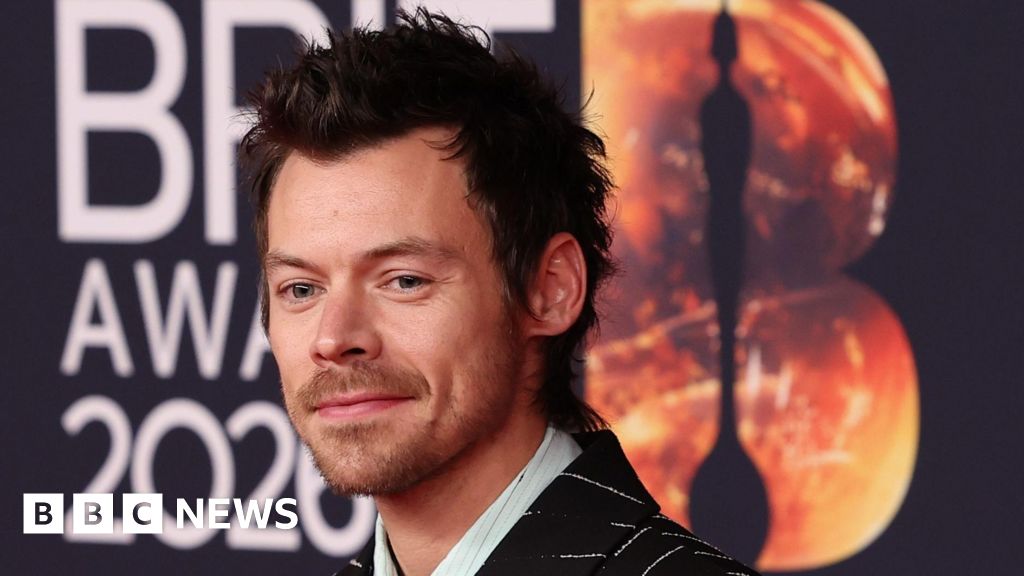
Harry Styles is number one as fans embrace Kiss All The Time. Disco OccasionallyImage Credit: BBC News
Key Points
- •LONDON – Harry Styles has successfully transitioned from pop-star sensation to a global economic force, building a diversified commercial empire that extends far beyond music. By cultivating an intensely loyal global community, Styles has pioneered a modern blueprint for celebrity enterprise, one founded on a powerful exchange: fans offer near-unconditional devotion, and in return, the Styles brand provides a product ecosystem built on an ethos of inclusivity and positivity.
- •Touring Juggernaut: His multi-year "Love On Tour" became one of the highest-grossing concert series in history, earning over $617 million from 169 shows and selling more than 5 million tickets. This places him in the company of legacy acts like The Rolling Stones and U2.
- •Chart & Streaming Dominance: His 2022 album, Harry's House, was a global commercial behemoth. The lead single, "As It Was," spent 15 weeks at No. 1 on the Billboard Hot 100 in the U.S. and has surpassed 2.8 billion streams on Spotify alone, generating millions in royalty payments.
- •High-Fashion Partnership: His long-standing relationship with Gucci is more than a simple endorsement. It's a deep-seated collaboration, culminating in the "HA HA HA" collection, co-designed with former creative director Alessandro Michele. This cements his status as a credible figure in the luxury market.
- •Strategic Investments: Demonstrating long-term vision, Styles is a key investor in Co-op Live, a new £365 million arena in Manchester. This move transitions him from performer to asset owner, securing a revenue stream independent of his own stage presence.
Harry Styles is number one as fans embrace Kiss All The Time. Disco Occasionally
LONDON – Harry Styles has successfully transitioned from pop-star sensation to a global economic force, building a diversified commercial empire that extends far beyond music. By cultivating an intensely loyal global community, Styles has pioneered a modern blueprint for celebrity enterprise, one founded on a powerful exchange: fans offer near-unconditional devotion, and in return, the Styles brand provides a product ecosystem built on an ethos of inclusivity and positivity.
The financial results of this strategy are staggering, placing him in a rarefied tier of entertainers who function as multinational corporations.
The Big Picture
At its core, the Harry Styles business model is not simply about selling songs or concert tickets. It is about monetizing a meticulously crafted brand identity. This identity, which champions kindness, self-expression, and vulnerability, has fostered a fan community that acts as a powerful, self-perpetuating marketing engine and a dedicated consumer base for a growing portfolio of ventures.
His recent public comments reflect this strategic openness. "It was about being more open, trusting [and] leaning into meeting new people," Styles noted, explaining his creative process. This philosophy of "saying yes" has become a de facto business strategy, unlocking revenue streams in fashion, beauty, film, and infrastructure investment.
By The Numbers: Anatomy of an Empire
The scale of Styles' commercial success is best understood through the data. His recent activities paint a picture of a brand operating at peak performance across multiple verticals.
- Touring Juggernaut: His multi-year "Love On Tour" became one of the highest-grossing concert series in history, earning over $617 million from 169 shows and selling more than 5 million tickets. This places him in the company of legacy acts like The Rolling Stones and U2.
- Chart & Streaming Dominance: His 2022 album, Harry's House, was a global commercial behemoth. The lead single, "As It Was," spent 15 weeks at No. 1 on the Billboard Hot 100 in the U.S. and has surpassed 2.8 billion streams on Spotify alone, generating millions in royalty payments.
- High-Fashion Partnership: His long-standing relationship with Gucci is more than a simple endorsement. It's a deep-seated collaboration, culminating in the "HA HA HA" collection, co-designed with former creative director Alessandro Michele. This cements his status as a credible figure in the luxury market.
- Strategic Investments: Demonstrating long-term vision, Styles is a key investor in Co-op Live, a new £365 million arena in Manchester. This move transitions him from performer to asset owner, securing a revenue stream independent of his own stage presence.
The "Kiss All The Time" Strategy: Monetizing Community
The financial engine of the Styles brand is its fan base. The unofficial slogan, "Treat People With Kindness," is not just a lyric; it's a foundational principle that has cultivated a community willing to invest both emotionally and financially.
How it Works:
This strategy turns passive listeners into active participants, a model that could be described as "Fandom-as-a-Service."
- The Ethos as a Moat: The brand's emphasis on inclusivity and acceptance creates a powerful emotional connection. This acts as a competitive moat, making fans less likely to shift their discretionary spending to other artists. The concert environment, known for its celebratory and safe atmosphere, is the physical manifestation of this brand promise.
- Fan-Generated Marketing: Styles' fans are among the most effective grassroots marketing forces in the world. TikTok trends, detailed outfit planning for concerts (creating micro-economies for feather boas and sequins), and relentless online promotion generate billions of impressions at no cost to the official marketing budget.
- Scarcity and Direct Access: While omnipresent culturally, Styles himself maintains a relatively scarce and curated social media presence. This makes his direct communications, brand launches, and artistic statements feel like significant events, driving massive engagement and sales velocity upon release.
"Disco Occasionally": The Product Ecosystem
While community is the engine, the product is the fuel. Styles has strategically diversified his output, ensuring the "brand" has multiple consumer touchpoints beyond a new album or tour every few years.
This ecosystem ensures that once a consumer enters the Harry Styles world, there are numerous products and experiences available for purchase.
- Music as the Core Asset: Albums like Fine Line and Harry's House remain the central pillar. They are critically acclaimed, high-margin digital products that serve as the primary entry point into the broader brand universe.
- Diversification into Film: Taking roles in major films like Don't Worry Darling and My Policeman was a calculated move to expand his audience and test his brand's appeal in a new medium. While met with mixed critical reception, it successfully positioned him within the Hollywood ecosystem.
- The Pleasing Venture: The launch of his beauty and lifestyle brand, Pleasing, is perhaps his most significant strategic move. It is a direct-to-consumer (DTC) play that leverages his personal brand to sell high-margin products, from nail polish to skincare. It transforms him from an endorser into a founder, capturing the full value of the supply chain.
The Bottom Line: Implications for the Industry
Harry Styles is providing a masterclass in building a durable, 21st-century celebrity brand. His success offers a new playbook for the entertainment industry, shifting the focus from transactional sales to building sustainable, community-driven commercial ecosystems.
His personal philosophy of "leaning into meeting new people and making new friends" has been scaled into a global business strategy. By "saying yes" to diverse opportunities, he has constructed a portfolio that is resilient and poised for long-term growth.
The next phase for the Styles enterprise will likely involve further expansion of Pleasing, more strategic investments in music and entertainment infrastructure, and a continued blurring of the lines between artist, entrepreneur, and cultural icon. For competitors and aspiring artists, the lesson is clear: in the modern attention economy, the most valuable asset isn't just a hit song, but a community that believes in what you sell.
Source: BBC News
Related Articles
Nationwide Protests Against ICE Enforcement Erupt in U.S.
Thousands are protesting ICE after the DOJ declined to investigate a fatal agent-involved shooting in Minneapolis, fueling a national movement and public anger.
Venezuela Amnesty Bill Could Free Political Prisoners
Learn about Venezuela's proposed amnesty bill to release political prisoners. The move could signal a major political shift and affect future economic sanctions
Pokémon Cancels Yasukuni Shrine Event After Backlash
The Pokémon Company has canceled an event at Tokyo's controversial Yasukuni Shrine after facing international backlash from China and South Korea.
US to Lose Measles Elimination Status: What It Means
The U.S. is poised to lose its measles elimination status due to escalating outbreaks. Learn what this downgrade means for public health and the economy.