Hegseth Halts Promotions of Black, Female Army Officers
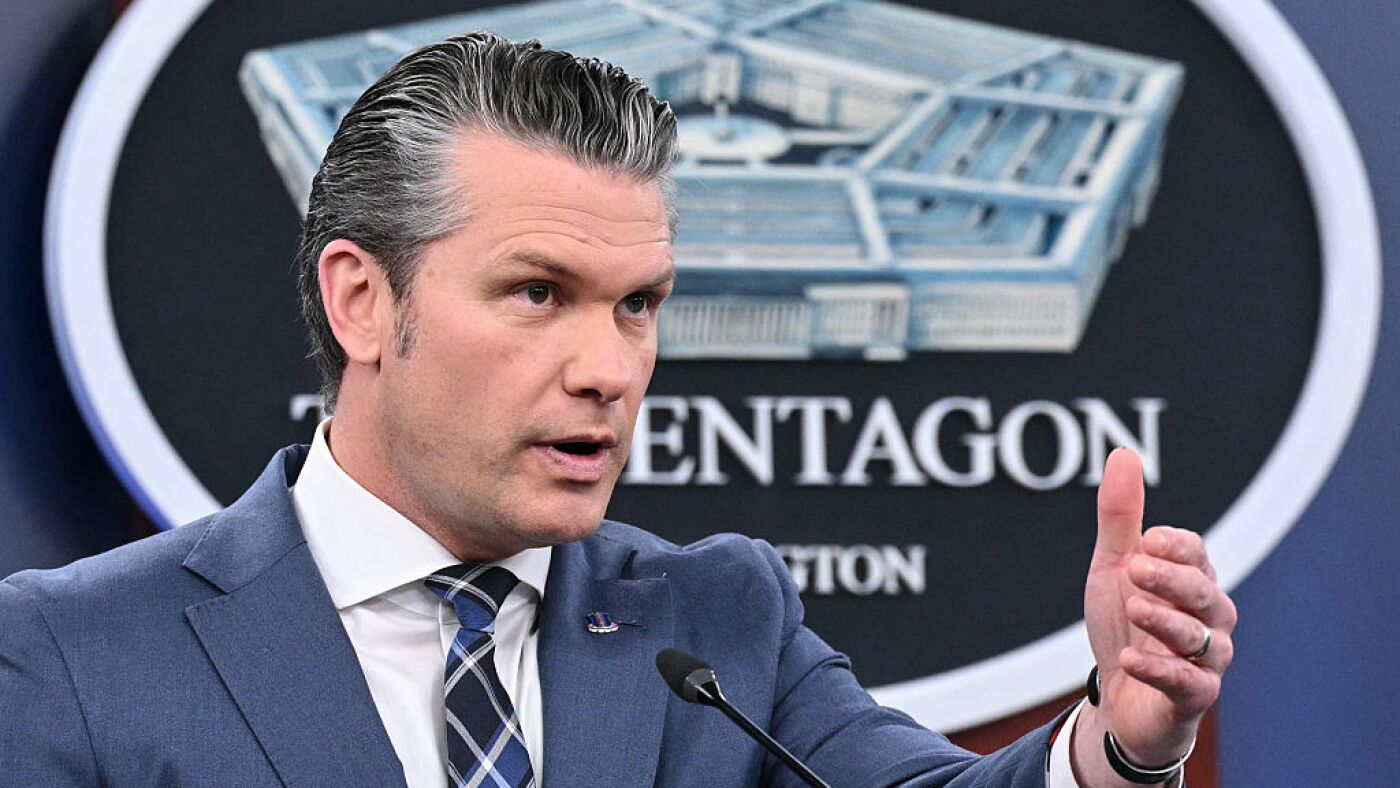
Defense Secretary Hegseth intervened to stop promotions of Black and female officersImage Credit: NPR News
Key Points
- •WASHINGTON – Defense Secretary Pete Hegseth personally intervened to halt the promotions of four decorated Army officers—two Black and two female soldiers—who were on track to become one-star generals, in a move that has sent shockwaves through the Pentagon and Capitol Hill. The action represents a highly unusual break from the military's apolitical promotion system and has triggered an investigation by the Senate Armed Services Committee.
- •Why it matters: The direct intervention by a civilian Secretary to remove individual officers from a vetted promotion list is a significant departure from established norms. It raises fundamental questions about the integrity of the military’s personnel system and whether race, gender, or perceived political views are becoming factors in career advancement.
- •Hegseth's Philosophy: Before his appointment, Hegseth was a vocal critic of the modern military establishment. In books like The War on Warriors, he argued that a focus on "woke" policies and diversity initiatives had diluted the military's warfighting ethos and weakened the force.
- •High-Profile Firings: Hegseth has already overseen the removal of some of the nation's most senior uniformed leaders.
- •He fired Gen. CQ Brown, then-Chairman of the Joint Chiefs of Staff and only the second African American to hold the post. In his book, Hegseth openly questioned whether Gen. Brown’s appointment was based on merit or his race.
Defense Secretary Hegseth Intervened to Stop Promotions of Black and Female Officers
WASHINGTON – Defense Secretary Pete Hegseth personally intervened to halt the promotions of four decorated Army officers—two Black and two female soldiers—who were on track to become one-star generals, in a move that has sent shockwaves through the Pentagon and Capitol Hill. The action represents a highly unusual break from the military's apolitical promotion system and has triggered an investigation by the Senate Armed Services Committee.
The intervention, first reported by The New York Times and independently confirmed by NPR through U.S. officials, is seen by critics as the latest step in a broader campaign by Secretary Hegseth to reshape the military’s senior leadership along ideological lines. The Pentagon has forcefully denied the allegations, framing the Secretary's actions as part of an effort to enforce a strict meritocracy.
- Why it matters: The direct intervention by a civilian Secretary to remove individual officers from a vetted promotion list is a significant departure from established norms. It raises fundamental questions about the integrity of the military’s personnel system and whether race, gender, or perceived political views are becoming factors in career advancement.
A Pattern of Ideological Purges
Sources inside the Department of Defense, who were not authorized to speak publicly, described a climate in which senior officers are being scrutinized for ideological compatibility with the administration.
One U.S. official confirmed that Secretary Hegseth has been actively weeding out officers deemed to be at odds with his publicly stated worldview. This follows a series of high-profile dismissals and a major restructuring of the Pentagon since Hegseth took office.
-
Hegseth's Philosophy: Before his appointment, Hegseth was a vocal critic of the modern military establishment. In books like The War on Warriors, he argued that a focus on "woke" policies and diversity initiatives had diluted the military's warfighting ethos and weakened the force.
-
High-Profile Firings: Hegseth has already overseen the removal of some of the nation's most senior uniformed leaders.
- He fired Gen. CQ Brown, then-Chairman of the Joint Chiefs of Staff and only the second African American to hold the post. In his book, Hegseth openly questioned whether Gen. Brown’s appointment was based on merit or his race.
- He also dismissed Adm. Lisa Franchetti, the first woman to serve as the Chief of Naval Operations, the Navy's top uniformed officer.
- In both cases, the Pentagon provided no official explanation for the removals, actions that were unprecedented in modern military history.
The Pentagon, however, refutes this characterization entirely.
- The Pentagon's Position: In a statement to NPR, Pentagon spokesman Sean Parnell labeled the reporting "fake news." He added, "Under Secretary Hegseth, military promotions are given to those who have earned them. Meritocracy, which reigns in this Department, is apolitical and unbiased."
How the Military Promotion System Works
Secretary Hegseth’s alleged actions are considered extraordinary because they disrupt a carefully constructed system designed over decades to be insulated from political interference.
Promotion to the rank of general or flag officer is an exhaustive and highly competitive process.
- The Board: A selection board composed of more senior officers convenes to review the files of all eligible colonels. These files contain an officer's entire career history, including performance evaluations, command history, and educational achievements.
- The Selection: The board selects a slate of officers it deems "best qualified" for promotion. This list represents the consensus of senior military professionals on who has the requisite experience and leadership potential.
- The Review Chain: The list is then reviewed and approved by the service chief (in this case, the Army Chief of Staff), the Chairman of the Joint Chiefs, and the Secretary of Defense before being sent to the White House.
- Final Confirmation: The President formally nominates the officers from this list, and the Senate provides its "advice and consent" through a confirmation vote.
- A Break from Tradition: Historically, the Secretary of Defense’s role in this process is one of final oversight and approval of the entire list. Removing individual names after they have been selected by a military board is exceptionally rare and typically reserved for cases of newly discovered misconduct, not for reasons of ideology, race, or gender.
Congressional Alarm and Potential Illegality
The allegations have prompted a swift and serious response from Congress, which holds constitutional oversight authority over the military.
Sen. Jack Reed (D-R.I.), the ranking member of the powerful Senate Armed Services Committee, announced he is launching an inquiry into the matter.
"If these reports are accurate, Secretary Hegseth's decision to remove four decorated officers from a promotion list after having been selected by their peers for their merit and performance is not only outrageous, it would be illegal," Reed said in a formal statement.
-
Legal Implications: Federal law, including Title VII of the Civil Rights Act of 1964, and specific Department of Defense regulations strictly prohibit discrimination in personnel actions based on race, color, religion, sex, or national origin. Sen. Reed’s statement suggests the committee will investigate whether the Secretary's actions violated these statutes.
-
A Betrayal of Principle: "Denying the promotions of individual officers based on their race or gender would betray every principle of merit-based service military officers uphold throughout their careers," Reed added.
Implications for the Force
The controversy strikes at the core of the U.S. military's identity as an apolitical institution where advancement is earned through performance and sacrifice. The developing situation carries significant implications for the armed forces.
-
Impact on Morale and Retention: If officers believe the promotion system is politicized or subject to arbitrary intervention, it could severely damage morale and trust in leadership. It may also lead talented officers, particularly women and minorities, to leave the service if they feel their path to advancement is unfairly blocked.
-
Chilling Effect: The perception that officers are being vetted for ideological purity could create a chilling effect, discouraging candid advice from military leaders to their civilian superiors and promoting a culture of conformity over critical thinking.
-
The Bottom Line: The allegations against Secretary Hegseth have created a flashpoint in the ongoing debate over the culture and leadership of the U.S. military. The impending congressional investigation and the Pentagon's response will be closely watched, as the outcome could have lasting consequences for civil-military relations, force readiness, and the foundational promise of a merit-based system for all who serve in uniform.
Source: NPR News
Related Articles
Nationwide Protests Against ICE Enforcement Erupt in U.S.
Thousands are protesting ICE after the DOJ declined to investigate a fatal agent-involved shooting in Minneapolis, fueling a national movement and public anger.
Venezuela Amnesty Bill Could Free Political Prisoners
Learn about Venezuela's proposed amnesty bill to release political prisoners. The move could signal a major political shift and affect future economic sanctions
Pokémon Cancels Yasukuni Shrine Event After Backlash
The Pokémon Company has canceled an event at Tokyo's controversial Yasukuni Shrine after facing international backlash from China and South Korea.
US to Lose Measles Elimination Status: What It Means
The U.S. is poised to lose its measles elimination status due to escalating outbreaks. Learn what this downgrade means for public health and the economy.