Homelessness Among Refugees in England Soars, BBC Finds
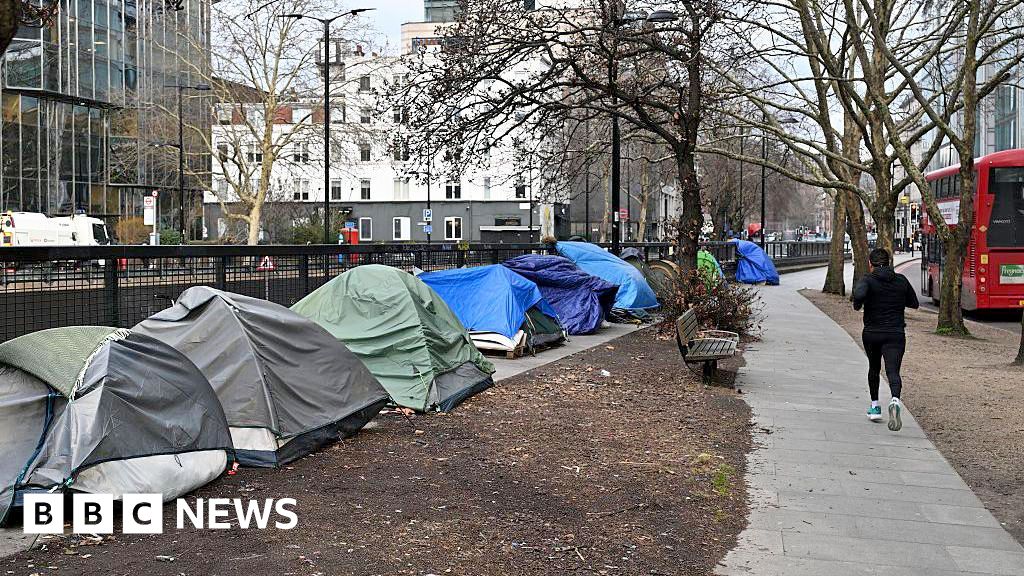
Number of homeless refugees in England soars, BBC has foundImage Credit: BBC News
Key Points
- •Number of homeless refugees in England soars, BBC has found
- •The Stark Increase: Freedom of Information requests show some councils have seen a five-fold or greater increase in homelessness applications from refugees compared to the previous year. This places immense fiscal pressure on local budgets already stretched by the national cost of living crisis.
- •The Human Bottleneck: Charities and support groups on the ground describe a "cliff edge" scenario. They report daily encounters with individuals and families, including those with young children, who have received eviction notices from asylum housing with nowhere to go.
- •Housing Hurdles: Secure private rental accommodation in one of the UK's most competitive and expensive housing markets. This requires a substantial deposit, landlord references, and proof of income, which are nearly impossible for a newcomer to provide.
- •Bureaucratic Delays: Apply for and receive a National Insurance number to work legally. They must also open a UK bank account, a process often delayed without proof of address or a financial history.
Number of homeless refugees in England soars, BBC has found
A sharp and significant increase in homelessness among newly recognised refugees is creating a deepening crisis for local authorities across England, a BBC investigation has found. The surge is directly linked to systemic pressures and a narrow 28-day window that forces individuals from government-funded asylum accommodation into a precarious housing market, often with no financial safety net.
The findings paint a stark picture of a system struggling to cope, where the moment of gaining legal protection becomes the starting point for destitution. Councils are now reporting an unprecedented strain on their homelessness services, raising urgent questions about the economic and social costs of the current government policy.
The Crisis in Numbers: A System Under Strain
Data obtained by the BBC reveals a dramatic rise in the number of newly granted refugees presenting as homeless to councils. While precise national figures are compiled with a delay, analysis of data from dozens of local authorities across urban and rural areas indicates a multi-fold increase over the past year.
This spike coincides with a concerted effort by the Home Office to clear the backlog of asylum claims. While successful in processing applications, the rapid pace has created a bottleneck, pushing thousands of individuals into a transition period for which many are ill-equipped.
-
The Stark Increase: Freedom of Information requests show some councils have seen a five-fold or greater increase in homelessness applications from refugees compared to the previous year. This places immense fiscal pressure on local budgets already stretched by the national cost of living crisis.
-
The Human Bottleneck: Charities and support groups on the ground describe a "cliff edge" scenario. They report daily encounters with individuals and families, including those with young children, who have received eviction notices from asylum housing with nowhere to go.
The 28-Day 'Cliff Edge': How the System Works
Current government policy grants a newly recognised refugee a 28-day "move-on" period. During this time, they must navigate a complex series of administrative and financial hurdles with minimal support.
Once an individual receives their Biometric Residence Permit, confirming their refugee status, a 28-day notice to quit their government-funded accommodation—often a room in a shared house or a hotel—is triggered. Simultaneously, their asylum support payments of approximately £49 per week are stopped.
To avoid homelessness, they must achieve several critical tasks within this four-week timeframe:
-
Housing Hurdles: Secure private rental accommodation in one of the UK's most competitive and expensive housing markets. This requires a substantial deposit, landlord references, and proof of income, which are nearly impossible for a newcomer to provide.
-
Bureaucratic Delays: Apply for and receive a National Insurance number to work legally. They must also open a UK bank account, a process often delayed without proof of address or a financial history.
-
Financial Barriers: Apply for Universal Credit if unable to find immediate work. The standard waiting period for a first payment is five weeks, a full week longer than the entire move-on period, creating a guaranteed income gap that pushes many into debt and destitution.
Wider Economic Pressures Exacerbate the Problem
The challenges faced by refugees are not occurring in a vacuum. They are entering a national housing and cost of living crisis that is squeezing households across the country, making their transition exponentially more difficult.
The private rental sector is characterised by record-high rents and a severe shortage of available properties. Refugees are competing with established UK residents for a limited pool of affordable housing, placing them at a significant disadvantage.
- Local Government Strain: Under the Homelessness Reduction Act 2017, local authorities have a legal duty to assess and assist anyone who is homeless or at risk of becoming homeless. The surge in refugee applications is diverting significant resources and funding, forcing councils to place more people in expensive and often unsuitable temporary accommodation, such as B&Bs and hotels. This creates a new, state-funded dependency, but at a local rather than national level.
A False Economy? The Cost of Inaction
Policy analysts and third-sector organisations argue that the current system represents a false economy. The cost of supporting a person through emergency homeless services is significantly higher than the cost of providing a more managed and extended transition period.
Forcing highly vulnerable individuals into homelessness hinders their ability to integrate, find employment, and contribute to the economy. The immediate focus on survival—finding shelter and food—eclipses any capacity to search for jobs, learn English, or begin rebuilding a stable life.
- The Integration Paradox: The government's policy objective is to encourage self-sufficiency among refugees. However, the current framework actively works against this goal. By creating conditions that lead directly to homelessness, the system undermines the very integration it seeks to promote, storing up greater social and economic problems for the future.
Policy Implications and Potential Solutions
In response to the growing crisis, there are increasing calls from local government leaders, charities, and cross-party parliamentary committees for urgent reform.
The primary proposal is to extend the move-on period from 28 days to at least 56 days. This would align the process with the statutory period under which councils have a duty to prevent homelessness, providing a more realistic timeframe for individuals to secure housing and financial support.
Other proposed solutions include:
-
Streamlining Administration: Allowing asylum seekers to begin the process of applying for a National Insurance number and a bank account before a final decision on their status is made.
-
Inter-Departmental Coordination: Improving the data-sharing and handover process between the Home Office, the Department for Work and Pensions (DWP), and local authorities to ensure a smoother transition and prevent individuals from falling through the cracks.
The government maintains that it provides sufficient support and that refugees should take steps towards self-sufficiency as soon as possible. However, the evidence gathered by the BBC suggests the current system is failing on a critical scale. As the Home Office continues to process the asylum backlog, the pressure on local services is set to intensify, forcing a difficult debate over whether the 28-day rule is fit for purpose.
Source: BBC News
Related Articles
Nationwide Protests Against ICE Enforcement Erupt in U.S.
Thousands are protesting ICE after the DOJ declined to investigate a fatal agent-involved shooting in Minneapolis, fueling a national movement and public anger.
Venezuela Amnesty Bill Could Free Political Prisoners
Learn about Venezuela's proposed amnesty bill to release political prisoners. The move could signal a major political shift and affect future economic sanctions
Pokémon Cancels Yasukuni Shrine Event After Backlash
The Pokémon Company has canceled an event at Tokyo's controversial Yasukuni Shrine after facing international backlash from China and South Korea.
US to Lose Measles Elimination Status: What It Means
The U.S. is poised to lose its measles elimination status due to escalating outbreaks. Learn what this downgrade means for public health and the economy.