Lotto Winner's £280m Drug Lab Found in Cotswolds Cottage
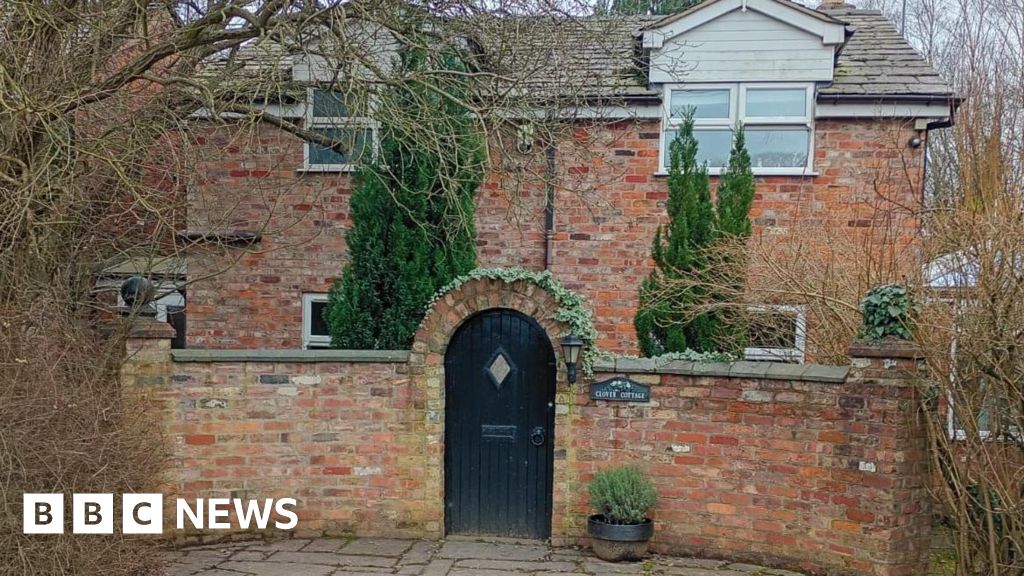
How Lotto winner hid £280m drug lab in cottageImage Credit: BBC News
Key Points
- •Initial Capital: The £5 million lottery prize served as the seed money. Investigators believe approximately £2.5 million was used for the property purchase and the initial setup of the laboratory, including the acquisition of sophisticated chemical synthesisers, industrial pill presses, and high-purity precursor chemicals sourced from international suppliers.
- •Operational Scale: Forensic accountants estimate the lab was capable of producing up to 50 kilograms of high-purity MDMA per week. Over its estimated four years of operation, the total output could have reached over 10 tonnes, commanding an estimated street value of £280 million.
- •Money Laundering: A complex web of shell corporations, registered in offshore jurisdictions, was allegedly used to launder the proceeds. Funds were funnelled through high-cash-flow businesses, including a luxury car rental service and a cryptocurrency trading platform, making the illicit profits appear legitimate.
- •Sophisticated Laboratory: Multiple large-scale glass reaction vessels, computer-controlled temperature and pressure systems, and several rotary evaporators for chemical purification.
- •Finished Product: Over 200 kilograms of crystalline MDMA and tens of thousands of ecstasy pills, stamped with a custom "Jester" logo, were found packaged for distribution.
How Lotto winner hid £280m drug lab in cottage
A lottery winner who scooped a multi-million-pound jackpot has been arrested in connection with one of the most sophisticated drug manufacturing operations ever discovered in the UK. Jonathan Fairbank, 48, allegedly used his £5 million lottery win from 2018 to establish a clandestine laboratory in a picturesque Cotswolds cottage, which police estimate produced narcotics with a street value approaching £280 million over a four-year period.
The raid on the secluded property uncovered not only a state-of-the-art drug production facility but also a fleet of luxury vehicles, including a Porsche 911 and a Lotus Emira, hidden alongside industrial-grade chemical equipment. The case presents a stark illustration of how a life-changing windfall was allegedly diverted to build a significant criminal enterprise, operating undetected in one of Britain's most affluent rural areas.
A Dream Turned Criminal Enterprise
In 2018, Jonathan Fairbank was a moderately successful systems analyst from Swindon. His win of £5 million on the National Lottery was celebrated in local media, with Fairbank stating his intention to "retire early, buy a country home, and enjoy the quiet life."
He purchased a £1.2 million, five-bedroom stone cottage with several outbuildings and extensive private grounds near Chipping Norton. To neighbours and locals, he was a reclusive but seemingly harmless lottery winner enjoying his fortune. In reality, authorities now allege he was meticulously converting his property into a highly efficient production hub for Class A drugs, primarily MDMA and synthetic opiates.
The Financial Blueprint of a Drug Empire
Financial investigators are piecing together how the initial lottery winnings were leveraged to fund an operation of this magnitude. The initial capital injection provided a crucial advantage, allowing the enterprise to be built without the need for traditional criminal financing, thereby avoiding early detection.
-
Initial Capital: The £5 million lottery prize served as the seed money. Investigators believe approximately £2.5 million was used for the property purchase and the initial setup of the laboratory, including the acquisition of sophisticated chemical synthesisers, industrial pill presses, and high-purity precursor chemicals sourced from international suppliers.
-
Operational Scale: Forensic accountants estimate the lab was capable of producing up to 50 kilograms of high-purity MDMA per week. Over its estimated four years of operation, the total output could have reached over 10 tonnes, commanding an estimated street value of £280 million.
-
Money Laundering: A complex web of shell corporations, registered in offshore jurisdictions, was allegedly used to launder the proceeds. Funds were funnelled through high-cash-flow businesses, including a luxury car rental service and a cryptocurrency trading platform, making the illicit profits appear legitimate.
Hiding in Plain Sight: The Cotswolds Operation
The choice of location was strategic. The isolated, high-value property did not attract suspicion, and its outbuildings were perfect for housing the lab. The main cottage was kept in impeccable condition to maintain the facade of a wealthy retiree's home.
The operation's sophistication was notable. The primary lab was housed in a soundproofed and specially ventilated barn, with its own independent, illegally connected power supply to avoid flagging unusual energy consumption. A secondary, smaller lab for processing was reportedly located in a reinforced cellar beneath the main house.
The Raid and Seizure
The raid, codenamed Operation Skylark, was executed by the National Crime Agency (NCA) following a six-month investigation involving financial intelligence units and international law enforcement partners. A tip-off regarding large chemical shipments to a holding company linked to Fairbank initiated the probe.
Upon entering the property, officers discovered an operation of industrial scale. Key evidence seized includes:
-
Sophisticated Laboratory: Multiple large-scale glass reaction vessels, computer-controlled temperature and pressure systems, and several rotary evaporators for chemical purification.
-
Finished Product: Over 200 kilograms of crystalline MDMA and tens of thousands of ecstasy pills, stamped with a custom "Jester" logo, were found packaged for distribution.
-
Luxury Assets: The Porsche 911 and Lotus Emira were seized under the Proceeds of Crime Act (POCA), along with three other high-performance vehicles, luxury watches valued at over £250,000, and gold bullion.
-
Financial Trail: Encrypted hard drives, ledgers detailing transactions, and documents linking Fairbank to dozens of bank accounts across Europe and the Caribbean were secured.
Unraveling the Network
While Fairbank is believed to be the architect and financier, law enforcement officials confirm he was not working alone. The investigation is now focused on identifying the full scope of the distribution network that moved the drugs from the Cotswolds cottage to markets across the UK and mainland Europe.
"An operation of this complexity requires specialists in chemistry, logistics, and finance," said an NCA spokesperson. "Mr. Fairbank may have been the kingpin, but we are now working to dismantle his entire kingdom."
Financial markers, such as structured cash deposits and rapid asset transfers, that were initially missed are now being scrutinised by anti-money laundering teams to identify other individuals involved in the criminal conspiracy.
Implications and Next Steps
The case of Jonathan Fairbank serves as a critical case study for both lottery operators and financial institutions on the potential for sudden wealth to be co-opted for criminal ends. It highlights the challenge of monitoring individuals who become high-net-worth overnight and can operate outside traditional credit and financing systems.
Fairbank has been charged with conspiracy to manufacture and supply Class A drugs and money laundering. He is currently being held on remand. The Crown Prosecution Service is preparing for a trial that is expected to reveal further details of this extraordinary criminal enterprise.
The next phase of Operation Skylark will involve extensive asset recovery proceedings under POCA, with the goal of seizing all wealth derived from the drug operation. The investigation into the wider network remains active, with further arrests anticipated in the coming months.
Source: BBC News
Related Articles
Nationwide Protests Against ICE Enforcement Erupt in U.S.
Thousands are protesting ICE after the DOJ declined to investigate a fatal agent-involved shooting in Minneapolis, fueling a national movement and public anger.
Venezuela Amnesty Bill Could Free Political Prisoners
Learn about Venezuela's proposed amnesty bill to release political prisoners. The move could signal a major political shift and affect future economic sanctions
Pokémon Cancels Yasukuni Shrine Event After Backlash
The Pokémon Company has canceled an event at Tokyo's controversial Yasukuni Shrine after facing international backlash from China and South Korea.
US to Lose Measles Elimination Status: What It Means
The U.S. is poised to lose its measles elimination status due to escalating outbreaks. Learn what this downgrade means for public health and the economy.