The Fed Chair's Power: How Much Influence Do They Have?
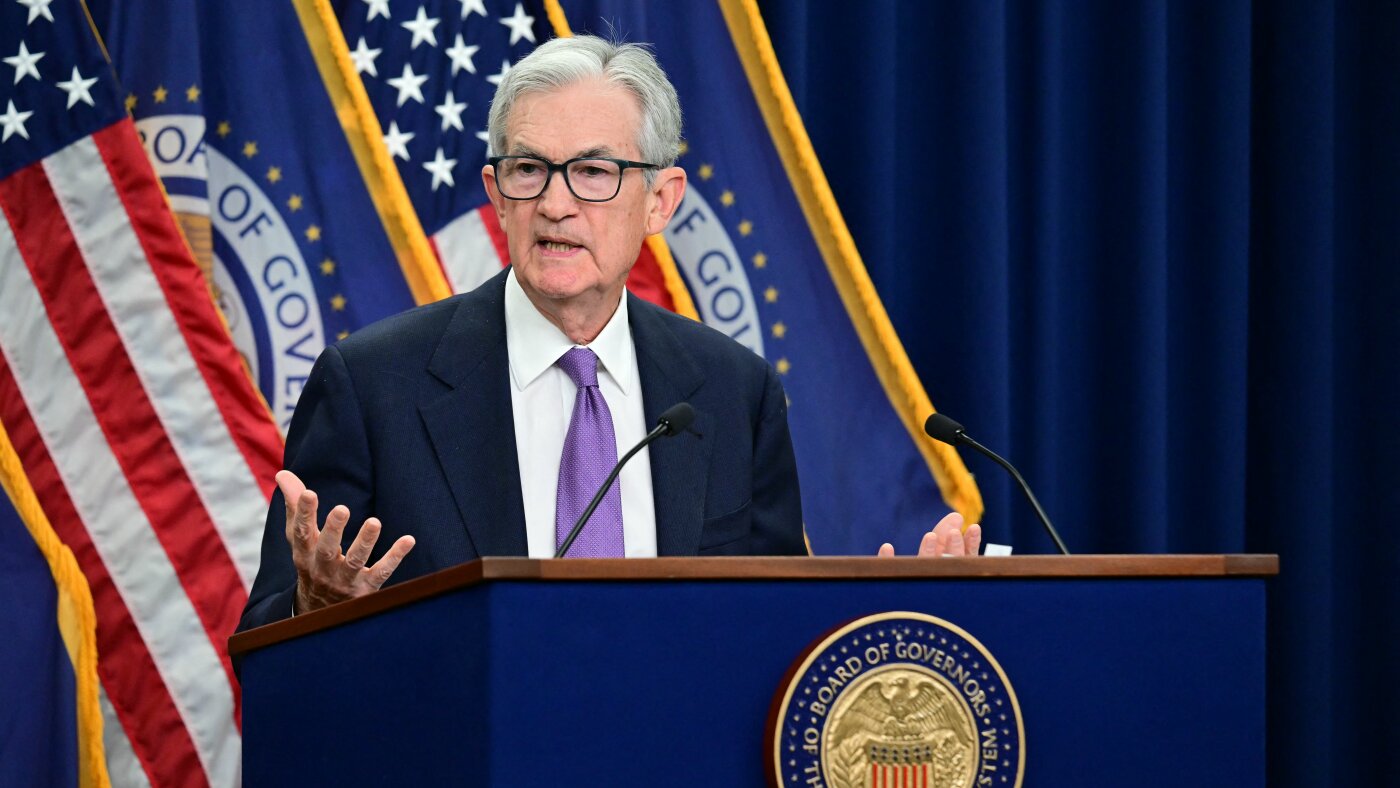
How much power does the Fed chair really have?Image Credit: NPR Business
Key Points
- •How much power does the Fed chair really have?
- •SOURCE: NPR Business
- •A Single Vote: On the Federal Open Market Committee (FOMC), the body responsible for setting the federal funds rate, the chair possesses just one vote out of twelve. The committee includes the seven members of the Board of Governors and the presidents of five of the twelve regional Reserve Banks.
- •First Among Equals: On the Board of Governors, which oversees the nation's banking system and financial stability, the chair is one of seven members. Each governor, including the chair, is appointed by the U.S. President and confirmed by the Senate.
- •Chair of the Board of Governors: In this capacity, the chair leads a powerful regulatory and administrative body. The Board has a vast professional staff and is responsible for banking supervision, financial regulation, payment systems, and a wide array of economic research that informs policy.
How much power does the Fed chair really have? SOURCE: NPR Business
The Chair of the Federal Reserve is often called the second most powerful person in Washington, D.C., an economic leader whose decisions can move global markets and shape the financial lives of millions. Yet, a plain reading of the Federal Reserve Act suggests a role with surprisingly limited authority. This raises a critical question: How much power does the Fed chair really have, and from where does it derive?
The answer reveals a significant gap between the chair’s power on paper and their influence in practice. While the formal structure of the Federal Reserve is designed to be decentralized and consensus-driven, historical precedent and institutional dynamics have concentrated immense de facto power in the hands of its leader.
The Paradox of Power: A Decentralized Design
On paper, the Federal Reserve system is structured to prevent any single individual from holding excessive control over U.S. monetary policy. The chair is merely one voice among many in the key decision-making bodies.
-
A Single Vote: On the Federal Open Market Committee (FOMC), the body responsible for setting the federal funds rate, the chair possesses just one vote out of twelve. The committee includes the seven members of the Board of Governors and the presidents of five of the twelve regional Reserve Banks.
-
First Among Equals: On the Board of Governors, which oversees the nation's banking system and financial stability, the chair is one of seven members. Each governor, including the chair, is appointed by the U.S. President and confirmed by the Senate.
This structure suggests that a Fed chair must be a master of persuasion, needing to build a majority coalition to enact their policy vision.
A Tale of Two Committees
To understand the chair's influence, it is essential to distinguish between their two primary roles. The Fed chair is the appointed leader of the Board of Governors and, by long-standing tradition, is also elected by committee members to be the chair of the FOMC.
-
Chair of the Board of Governors: In this capacity, the chair leads a powerful regulatory and administrative body. The Board has a vast professional staff and is responsible for banking supervision, financial regulation, payment systems, and a wide array of economic research that informs policy.
-
Chair of the Federal Open Market Committee (FOMC): This is the chair’s most visible role. The FOMC's decisions on interest rates are the Fed's primary tool for achieving its dual mandate of price stability and maximum employment. While the president appoints the Chair of the Board of Governors, the FOMC technically elects its own chair annually, a tradition that has always resulted in the selection of the sitting Fed chair.
The Unbroken Record: Influence in Practice
Despite the one-vote-of-twelve structure, the historical record demonstrates the chair’s overwhelming influence.
According to research and expert accounts, including that of former Fed Vice Chair Alan Blinder, the reality of the Fed's power dynamic is unambiguous. Blinder, who served under Alan Greenspan in the 1990s, has stated plainly, "He was the boss."
-
An Undefeated Streak: In the entire history of the Federal Reserve, a chair has never been outvoted on a monetary policy decision at an FOMC meeting. While dissents from other members are common, the final policy outcome has always aligned with the chair's position.
-
Board Dominance: It is also exceptionally rare for a chair to be outvoted at the Board of Governors level. David Wessel, director of the Hutchins Center at the Brookings Institution, notes that the last known instance occurred in 1986 under Chairman Paul Volcker—a rare event from a different economic era.
The Sources of Influence
The chair's remarkable track record is not a result of formal authority but of a combination of institutional power, informational advantage, and their role as the ultimate consensus builder.
-
Agenda Control: The chair sets the agenda for FOMC meetings, frames the policy debate, and guides the discussion. This allows them to center the conversation around their preferred policy path and interpretation of economic data.
-
Information Hub: The chair sits at the apex of the Federal Reserve's vast information-gathering apparatus. They direct the system's thousands of economists and analysts, control the flow of briefings, and are better informed than any other committee member, creating a significant intellectual advantage.
-
The Public Voice: The Fed chair is the sole public spokesperson for the FOMC. They deliver the post-meeting press conference, testify before Congress, and communicate the committee's consensus to the public and financial markets. Because the chair is the voice of the Fed, their personal view carries the weight of the entire institution.
-
Consensus Building: A formal vote at the FOMC is often the last step in a long process of consensus building led by the chair. Through countless private meetings and informal discussions, the chair works to bring other members around to their position long before the official vote is cast. A dissent is a notable event; being in the minority against the chair is a signal of significant disagreement.
The Data-Driven Conclusion
Recent academic research confirms the chair’s central role. A working paper by Fed economist Cooper Howes and three co-authors analyzed decades of FOMC transcripts.
Their conclusion was stark: the final policy decision made by the FOMC aligned virtually "one-for-one with the Chair's preferred change." The study found that even with widespread disagreement among members during deliberations, the committee ultimately coalesces around the chair's position.
Why It Matters
The concentration of power in the Fed chair has profound implications for the U.S. and global economies.
-
The Weight of the Appointment: It underscores the immense importance of a presidential appointment to the role. The individual chosen as chair will have an outsized impact on interest rates, employment, and inflation, making the selection process a matter of global economic consequence.
-
Market Focus: Financial markets rightly fixate on the chair's every word. Their speeches and testimonies are parsed meticulously because traders and investors understand that the chair's perspective is the most reliable indicator of future Fed policy.
-
Guardian of Independence: A strong chair, backed by the full force of the institution, is also the primary defender of the Federal Reserve's independence from political pressure. Their ability to forge and maintain a consensus is crucial for ensuring that monetary policy is made based on economic data, not partisan interests.
Ultimately, while the Fed is designed as a committee, it functions much closer to a hierarchy led by a powerful executive. The Fed chair's power is not decreed by law but has been forged by tradition, institutional structure, and the sheer force of the role itself.
Source: NPR Business
Related Articles
Nationwide Protests Against ICE Enforcement Erupt in U.S.
Thousands are protesting ICE after the DOJ declined to investigate a fatal agent-involved shooting in Minneapolis, fueling a national movement and public anger.
Venezuela Amnesty Bill Could Free Political Prisoners
Learn about Venezuela's proposed amnesty bill to release political prisoners. The move could signal a major political shift and affect future economic sanctions
Pokémon Cancels Yasukuni Shrine Event After Backlash
The Pokémon Company has canceled an event at Tokyo's controversial Yasukuni Shrine after facing international backlash from China and South Korea.
US to Lose Measles Elimination Status: What It Means
The U.S. is poised to lose its measles elimination status due to escalating outbreaks. Learn what this downgrade means for public health and the economy.