Iran Blocks Strait of Hormuz, Accuses US of Aggression
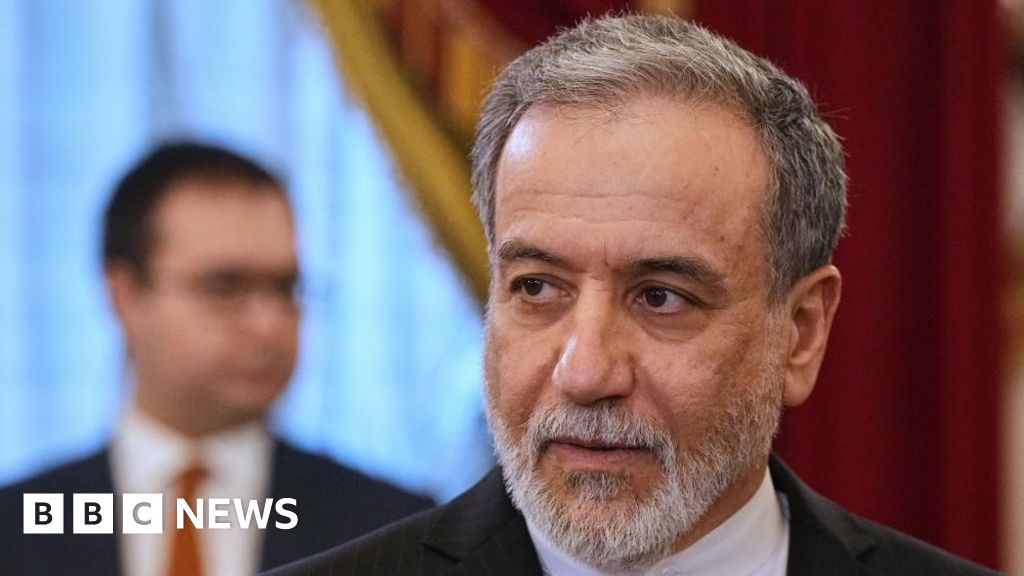
Iran accuses US of 'reckless military adventure'Image Credit: BBC News
Key Points
- •Global Energy Chokepoint: Approximately 20% of the world's total oil consumption and over a third of global liquefied natural gas (LNG) trade passes through the strait. Key Asian economies, including China, Japan, India, and South Korea, are heavily dependent on these shipments.
- •Economic Ripple Effects: The immediate impact is a spike in energy prices. Beyond the pump, however, the crisis will drive up shipping insurance premiums to astronomical levels, disrupt supply chains for countless industries, and fuel global inflationary pressures that central banks are already struggling to contain.
- •Lack of Alternatives: Viable alternatives for shipping Middle Eastern oil are extremely limited. Existing pipelines do not have the capacity to compensate for the loss of the strait, and rerouting tankers around Africa would add weeks to voyage times and exorbitant costs, rendering it an impractical solution for the volumes required.
- •Oil and Gas: Brent crude futures jumped over 15% in early trading, while LNG benchmark prices in Asia (JKM) and Europe (TTF) saw similar double-digit percentage gains.
- •Equities: Energy stocks soared, but the broader market indexes—from the S&P 500 to the FTSE 100—tumbled on fears of a new inflationary shock and a potential global recession. Airline, shipping, and industrial manufacturing stocks were hit particularly hard.
Iran accuses US of 'reckless military adventure'
Global energy markets were thrown into turmoil today as Iran initiated a near-total blockade of the Strait of Hormuz, a critical artery for international oil shipments. Tehran's move, which includes aggressive naval maneuvers and attacks on vessels linked to U.S. allies in the Gulf, is in direct retaliation for what it describes as recent covert attacks by the United States and Israel. As Brent crude prices surged past levels not seen in years, an Iranian foreign ministry spokesman accused Washington of engaging in a "reckless military adventure," pushing the volatile region closer to a direct confrontation.
The escalation has sent shockwaves through the global economy, with immediate and severe consequences for energy security and international trade. The Pentagon has yet to issue a detailed response but has confirmed "hostile Iranian actions" in the strategic waterway.
The Epicenter of the Crisis
Tehran's actions appear to be a coordinated and forceful response to perceived aggression. Reports from regional maritime security agencies indicate that Iran's Islamic Revolutionary Guard Corps (IRGC) Navy has been boarding and seizing commercial tankers, while also launching drone and missile attacks against port infrastructure in allied Gulf nations.
Iran's government claims its actions are a justified defense of its sovereignty and a direct consequence of a series of recent, unacknowledged strikes on its soil. A statement broadcast on state television declared that the Strait of Hormuz will remain under Iranian control "until the aggressors cease their hostilities."
The White House has vehemently denied any involvement in the alleged attacks, calling Iran's blockade an "act of economic terrorism" that threatens the entire world.
Why the Strait of Hormuz Matters
The Strait of Hormuz is more than just a strip of water; it is the jugular vein of the global energy system. Its closure, even for a short period, has profound and immediate global implications.
-
Global Energy Chokepoint: Approximately 20% of the world's total oil consumption and over a third of global liquefied natural gas (LNG) trade passes through the strait. Key Asian economies, including China, Japan, India, and South Korea, are heavily dependent on these shipments.
-
Economic Ripple Effects: The immediate impact is a spike in energy prices. Beyond the pump, however, the crisis will drive up shipping insurance premiums to astronomical levels, disrupt supply chains for countless industries, and fuel global inflationary pressures that central banks are already struggling to contain.
-
Lack of Alternatives: Viable alternatives for shipping Middle Eastern oil are extremely limited. Existing pipelines do not have the capacity to compensate for the loss of the strait, and rerouting tankers around Africa would add weeks to voyage times and exorbitant costs, rendering it an impractical solution for the volumes required.
Background to a Boiling Point
This crisis did not erupt in a vacuum. It is the culmination of months of escalating shadow warfare between Iran and its regional adversaries. While details remain murky, intelligence sources suggest the tipping point was a series of recent events, including a sophisticated cyberattack on an Iranian port and a suspected Israeli-led strike on a military facility near Isfahan.
Tehran views these actions, which it attributes to a U.S.-Israeli collaboration, as a direct assault. The retaliatory blockade of Hormuz appears to be a calculated move to inflict maximum economic pain on the West and its partners, demonstrating Iran's capacity to disrupt the global order if its own security is threatened. This follows a well-established pattern of asymmetric responses by Iran, leveraging its strategic geographic position to counter the superior conventional military power of its rivals.
International Reaction and Diplomatic Fallout
The international community has responded with alarm, but also with predictable divisions.
U.S. allies in the Gulf, including Saudi Arabia and the UAE, have placed their militaries on high alert and publicly called for a swift and decisive international response to restore freedom of navigation.
In Western capitals, condemnation of Iran's actions has been universal. The U.S., UK, and France are reportedly coordinating a potential multinational naval task force to challenge the blockade. A U.S. State Department official, speaking on background, stated, "All options are on the table to ensure the free flow of commerce and protect our partners in the region."
Meanwhile, Beijing and Moscow have issued more measured statements, calling for "calm and restraint from all parties." As major importers of Iranian and Gulf oil, they are caught between their strategic alignment against U.S. dominance and their critical need for stable energy markets.
The View from the Markets
The financial reaction was swift and brutal.
- Oil and Gas: Brent crude futures jumped over 15% in early trading, while LNG benchmark prices in Asia (JKM) and Europe (TTF) saw similar double-digit percentage gains.
- Equities: Energy stocks soared, but the broader market indexes—from the S&P 500 to the FTSE 100—tumbled on fears of a new inflationary shock and a potential global recession. Airline, shipping, and industrial manufacturing stocks were hit particularly hard.
- Safe Havens: Investors fled to traditional safe-haven assets. The price of gold surged, and the U.S. dollar strengthened against most major currencies as traders sought security amid the uncertainty.
What's Next: A Ticking Clock
The world now watches to see how Washington will respond. The U.S. is faced with a stark choice: either attempt a high-risk military operation to reopen the strait, which could easily spiral into a full-blown regional war, or engage in high-stakes diplomacy with Tehran from a position of economic duress.
Analysts warn that any direct military clash inside the narrow confines of the strait could be devastating, not only for the military assets involved but also for the commercial tankers trapped in the crossfire, potentially creating an environmental and economic catastrophe.
The coming days will be critical. Diplomatic channels are working furiously behind the scenes to find an off-ramp. However, with Iranian forces dug in and global energy prices climbing by the hour, the window for a peaceful resolution is closing fast. The "reckless military adventure" Iran speaks of may be the very one it has just provoked.
Source: BBC News
Related Articles
Nationwide Protests Against ICE Enforcement Erupt in U.S.
Thousands are protesting ICE after the DOJ declined to investigate a fatal agent-involved shooting in Minneapolis, fueling a national movement and public anger.
Venezuela Amnesty Bill Could Free Political Prisoners
Learn about Venezuela's proposed amnesty bill to release political prisoners. The move could signal a major political shift and affect future economic sanctions
Pokémon Cancels Yasukuni Shrine Event After Backlash
The Pokémon Company has canceled an event at Tokyo's controversial Yasukuni Shrine after facing international backlash from China and South Korea.
US to Lose Measles Elimination Status: What It Means
The U.S. is poised to lose its measles elimination status due to escalating outbreaks. Learn what this downgrade means for public health and the economy.