Iran Gas Pipeline Explosions Kill 5; Sabotage Suspected
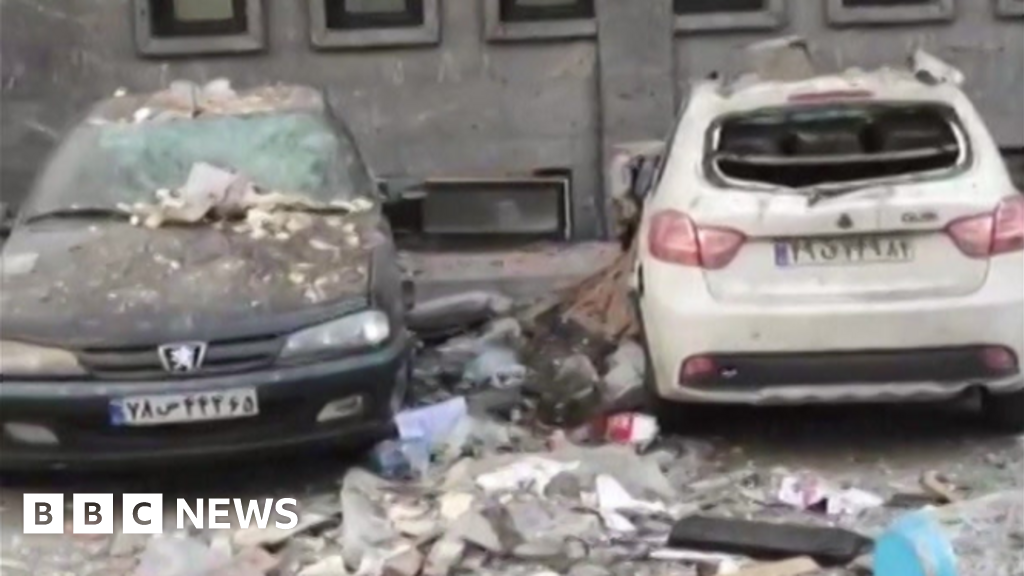
Iran gas explosions kill five people, officials sayImage Credit: BBC News
Key Points
- •Locations: Blasts were reported in the provinces of Fars and Chaharmahal and Bakhtiari, hitting a crucial artery that transports gas from the south to major industrial and population centers in the north.
- •Casualties: Iranian Oil Minister Javad Owji confirmed the death toll, stating that five individuals, likely security personnel or pipeline workers, were killed in the attacks.
- •Official Response: Owji immediately framed the incidents as acts of sabotage, vowing that repair crews were working to restore flow and that domestic gas supplies for homes and industries would not face major, prolonged interruptions.
- •Brent Crude: The global benchmark for crude oil ticked higher in early trading, as commodities traders priced in the heightened geopolitical uncertainty. The immediate move reflects concern that regional instability could escalate.
- •Natural Gas: While the direct impact is on Iran's domestic supply, the event underscores the vulnerability of gas infrastructure globally. European and Asian natural gas futures will be monitored closely for any ripple effects.
Iran gas explosions kill five people, officials say
A series of powerful explosions rocked Iran's natural gas pipeline network, killing at least five people and disrupting energy flows in the country. The incidents have sent a jolt through already tense global energy markets, which are closely watching for any signs of instability in the critical Middle East region.
The blasts occurred in the early hours of the morning, targeting key infrastructure in what officials are tentatively describing as acts of "sabotage and terrorism." This immediately raises the stakes from an industrial accident to a potential security crisis with far-reaching implications.
For global markets, the news is a stark reminder of the fragility of energy supply chains. Any disruption, accidental or deliberate, within a major OPEC producer like Iran has the potential to add a significant risk premium to oil and gas prices worldwide.
The Incidents
Official reports from Iranian state media confirm multiple, near-simultaneous explosions along the nation's primary north-south gas transmission pipeline. The coordinated nature of the events strongly suggests a deliberate and sophisticated attack rather than a technical failure.
Key Details from Officials
- Locations: Blasts were reported in the provinces of Fars and Chaharmahal and Bakhtiari, hitting a crucial artery that transports gas from the south to major industrial and population centers in the north.
- Casualties: Iranian Oil Minister Javad Owji confirmed the death toll, stating that five individuals, likely security personnel or pipeline workers, were killed in the attacks.
- Official Response: Owji immediately framed the incidents as acts of sabotage, vowing that repair crews were working to restore flow and that domestic gas supplies for homes and industries would not face major, prolonged interruptions.
Immediate Market Impact
News of the explosions triggered an immediate, albeit measured, reaction in global energy markets. While Iran is under heavy international sanctions that limit its oil exports, its internal stability and the security of its vast energy infrastructure are bellwethers for regional risk.
- Brent Crude: The global benchmark for crude oil ticked higher in early trading, as commodities traders priced in the heightened geopolitical uncertainty. The immediate move reflects concern that regional instability could escalate.
- Natural Gas: While the direct impact is on Iran's domestic supply, the event underscores the vulnerability of gas infrastructure globally. European and Asian natural gas futures will be monitored closely for any ripple effects.
- Risk Premium: The most significant financial impact is the re-introduction of a "geopolitical risk premium." This is the extra price traders are willing to pay for oil due to the possibility of future supply disruptions, even if current flows are unaffected.
A Volatile Geopolitical Backdrop
The explosions do not occur in a vacuum. They come against a backdrop of severe tension between Iran and Western powers, particularly the United States, which adds layers of complexity and concern for market participants.
Washington has pursued a "maximum pressure" campaign of sanctions designed to cripple Iran's economy and force it to negotiate on its nuclear program and regional activities. This has created a tense standoff, where any spark could ignite a broader conflict.
Speaking to journalists, U.S. President Donald Trump maintained a guarded but firm stance on Iran. When asked about potential U.S. action, he stated, "I certainly can't tell you that." This ambiguity is a deliberate part of the administration's strategy, keeping adversaries and allies alike on edge.
However, Trump also reiterated comments that Iran was "seriously" talking to Washington, a statement that seems to conflict with the public rhetoric of hostility. This dynamic creates profound uncertainty for analysts and investors.
- Sanctions Regime: U.S. sanctions have severely curtailed Iran's ability to earn revenue from energy exports and access international financial markets. This has crippled its economy and, according to some analysts, degraded its ability to maintain and secure its critical infrastructure.
- Nuclear Deal Tensions: The U.S. withdrawal from the 2015 Joint Comprehensive Plan of Action (JCPOA) remains the central point of contention. Efforts to revive the deal have stalled, leaving the region in a state of perpetual limbo.
- Strait of Hormuz: Approximately one-fifth of the world's oil consumption passes through the Strait of Hormuz, a narrow waterway off Iran's coast. The security of this chokepoint is paramount for global economic stability, and any incident inside Iran raises fears of a potential disruption.
The Bottom Line: Sabotage or Systemic Failure?
Investigators will now work to determine the precise cause and perpetrators of the blasts. The outcome of that investigation will be critical.
If confirmed as a sophisticated attack by an external state actor or a well-organized internal opposition group, it points to a significant escalation in the shadow war being fought in the region. This would force markets to price in a higher likelihood of retaliatory action and further conflict.
Alternatively, even if the cause is sabotage, the incident also highlights the decay of Iran's energy infrastructure. Decades of underinvestment, exacerbated by international sanctions, have left pipelines, refineries, and processing plants vulnerable. This systemic weakness is, in itself, a major risk to supply stability.
What to Watch Next
- Official Attribution: All eyes will be on Tehran for its official findings. Whom it blames for the attack—whether a domestic group, a regional rival, or a Western nation—will dictate its response.
- Market Reaction: Traders will monitor oil and gas futures for the next 24-48 hours. A sustained price increase would indicate that the market views this not as an isolated incident, but as the start of a new, more volatile chapter.
- Diplomatic Fallout: Statements from Washington, European capitals, and Iran's regional rivals will be scrutinized for any shift in tone or policy. The primary concern is preventing a cycle of escalation that could threaten the global economy.
Source: BBC News
Related Articles
Nationwide Protests Against ICE Enforcement Erupt in U.S.
Thousands are protesting ICE after the DOJ declined to investigate a fatal agent-involved shooting in Minneapolis, fueling a national movement and public anger.
Venezuela Amnesty Bill Could Free Political Prisoners
Learn about Venezuela's proposed amnesty bill to release political prisoners. The move could signal a major political shift and affect future economic sanctions
Pokémon Cancels Yasukuni Shrine Event After Backlash
The Pokémon Company has canceled an event at Tokyo's controversial Yasukuni Shrine after facing international backlash from China and South Korea.
US to Lose Measles Elimination Status: What It Means
The U.S. is poised to lose its measles elimination status due to escalating outbreaks. Learn what this downgrade means for public health and the economy.