Jess Carter: England Defender Opens Up on Euro 2025 Abuse
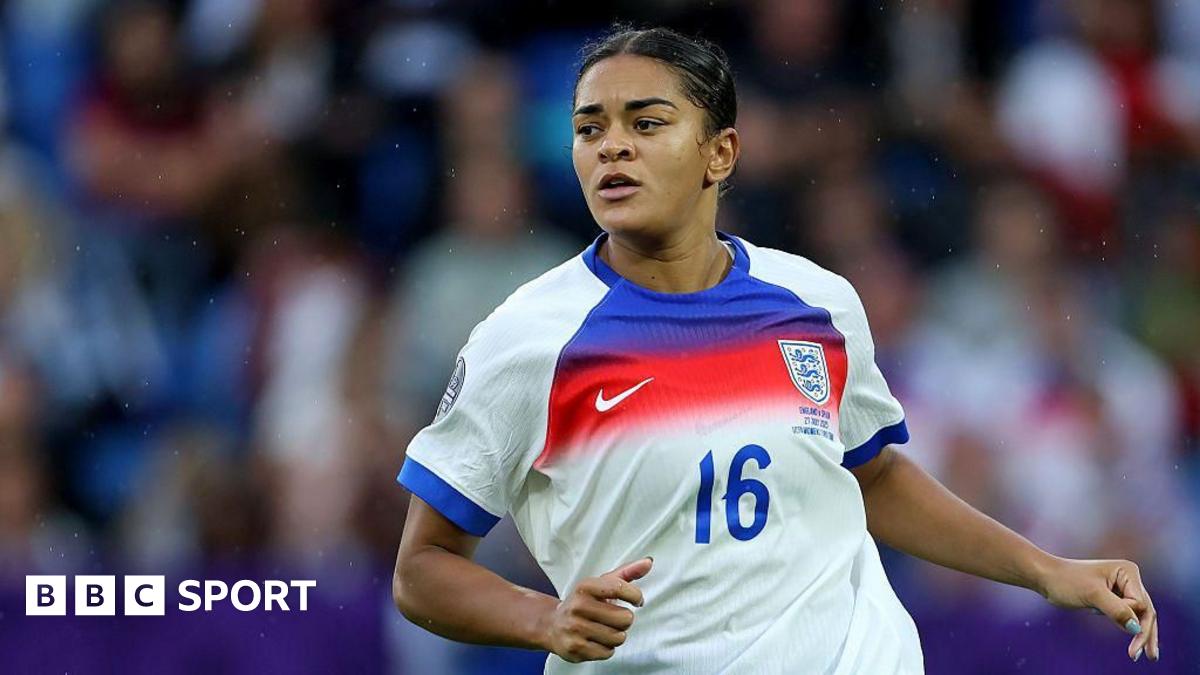
Jess Carter: England defender says Euro 2025 abuse made her not want to leave her hotel roomImage Credit: BBC News
Key Points
- •The Big Picture: England defender Jess Carter has revealed the profound psychological toll of online and physical abuse following Euro 2025, stating the hostility reached levels that made her reluctant to leave her hotel room. Her testimony highlights a growing friction between the rapid commercial expansion of women's football and the erosion of the "safe space" culture that previously defined the sport.
- •The Hotel Incident: Carter disclosed that during the Euro 2025 cycle, the volume and intensity of abuse became so severe she felt unsafe or mentally unable to engage with the outside world.
- •A Shift in Culture: The defender noted that while traditional supporters remain "amazing," a new wave of vitriol has emerged alongside the sport’s rising profile.
- •The Identity Crisis: Carter warned that the sport’s reputation as an inclusive environment is receding. Players are now "hesitating about who they want to be" due to fear of public backlash.
- •Positive Reinforcement: Fans in the U.S. maintain a "happy and positive" demeanor regardless of on-pitch performance.
The Cost of Growth: Jess Carter Highlights Rising Player Abuse in Women’s Football
The Big Picture: England defender Jess Carter has revealed the profound psychological toll of online and physical abuse following Euro 2025, stating the hostility reached levels that made her reluctant to leave her hotel room. Her testimony highlights a growing friction between the rapid commercial expansion of women's football and the erosion of the "safe space" culture that previously defined the sport.
The Catalyst: Post-Euro 2025 Hostility
While the Lionesses' success on the international stage has brought unprecedented visibility, it has also introduced a darker side of fandom. Carter, a key figure in the national setup, noted that the atmosphere surrounding the team has shifted significantly.
- The Hotel Incident: Carter disclosed that during the Euro 2025 cycle, the volume and intensity of abuse became so severe she felt unsafe or mentally unable to engage with the outside world.
- A Shift in Culture: The defender noted that while traditional supporters remain "amazing," a new wave of vitriol has emerged alongside the sport’s rising profile.
- The Identity Crisis: Carter warned that the sport’s reputation as an inclusive environment is receding. Players are now "hesitating about who they want to be" due to fear of public backlash.
Geographic Contrast: The NWSL vs. The WSL
Carter moved from Chelsea—the nine-time Women’s Super League (WSL) champions—to NJ/NY Gotham FC in the United States in 2024. This transition has provided her with a unique perspective on how different markets manage player-fan relations.
The American Experience
Carter reports a stark difference in the cultural approach to professional athletes in the National Women’s Soccer League (NWSL):
- Positive Reinforcement: Fans in the U.S. maintain a "happy and positive" demeanor regardless of on-pitch performance.
- Mental Well-being: Carter admits her career decisions are now driven primarily by personal happiness and family stability rather than purely sporting prestige.
- Safety and Comfort: The defender noted a higher level of comfort "walking around the street" in the U.S. compared to the current climate in England.
The UK Environment
Despite the WSL's technical growth, Carter suggests the English fan culture is increasingly mirroring the more toxic elements of the men’s game:
- Heightened Profiles: As Lionesses become household names, their privacy and personal safety are being compromised.
- Rivalry vs. Abuse: Carter emphasized that while "great rivalries" are essential for growth, they are currently being weaponized to justify personal attacks.
Structural Changes: Moving Beyond "Taking a Knee"
The abuse directed at Carter has already influenced team policy within the England camp. During Euro 2025, the squad collectively decided to stop the anti-racism gesture of taking a knee—a move catalyzed by Carter’s own experiences and input.
Why it matters: The squad concluded that the gesture had become a lightning rod for further abuse rather than a tool for progress. Carter’s teammates rallied around her, acknowledging that football needs to find "another way to tackle racism" that does not disproportionately expose individual players to targeted harassment.
The Commercial Paradox
The Women’s Super League and international tournaments are seeing record-breaking attendance and broadcasting deals. However, this financial windfall brings structural challenges:
- Security Demands: Clubs and national associations are having to invest more in private security and digital moderation.
- Player Retention: As Carter’s move to Gotham FC suggests, the UK may struggle to retain top talent if the environment remains hostile.
- Brand Protection: The "family-friendly" image that attracts major sponsors is at risk as abuse becomes more visible in stadiums and on social media.
Context: Gotham FC in London
Carter’s comments come as she returns to the UK with Gotham FC for the inaugural Women's Champions Cup.
- The Match: Gotham FC will face Brazilian side SC Corinthians in the semi-finals at Brentford Stadium on 28 January.
- The Significance: This tournament represents the first major cross-continental club competition, further elevating the global profile of the players involved—and the scrutiny they face.
What’s Next: Implications for the Sport
The testimony from a high-profile international like Jess Carter serves as a warning shot to governing bodies including the FA, UEFA, and FIFA.
For Governing Bodies
- Regulation: There is an urgent need for stricter stadium bans and more robust partnerships with social media platforms to identify and prosecute abusers.
- Mental Health Support: Increased funding for psychological services for players is becoming a necessity rather than a luxury.
For the "Lionesses" Brand
- Sustainability: If the UK environment continues to be perceived as toxic, the WSL risks a "talent drain" to the NWSL, where players feel more protected.
- Cultural Preservation: The FA must find a way to scale the sport's popularity without losing the inclusive, safe atmosphere that originally built its loyal fanbase.
The Bottom Line: Jess Carter’s experience suggests that women's football has reached a tipping point. The sport is successfully attracting millions of new fans, but it has yet to implement the infrastructure required to protect its most valuable assets—the players—from the collateral damage of that fame.
Source: BBC News
Related Articles
Nationwide Protests Against ICE Enforcement Erupt in U.S.
Thousands are protesting ICE after the DOJ declined to investigate a fatal agent-involved shooting in Minneapolis, fueling a national movement and public anger.
Venezuela Amnesty Bill Could Free Political Prisoners
Learn about Venezuela's proposed amnesty bill to release political prisoners. The move could signal a major political shift and affect future economic sanctions
Pokémon Cancels Yasukuni Shrine Event After Backlash
The Pokémon Company has canceled an event at Tokyo's controversial Yasukuni Shrine after facing international backlash from China and South Korea.
US to Lose Measles Elimination Status: What It Means
The U.S. is poised to lose its measles elimination status due to escalating outbreaks. Learn what this downgrade means for public health and the economy.