King Charles's Caribbean Tour to Address Slavery Legacy
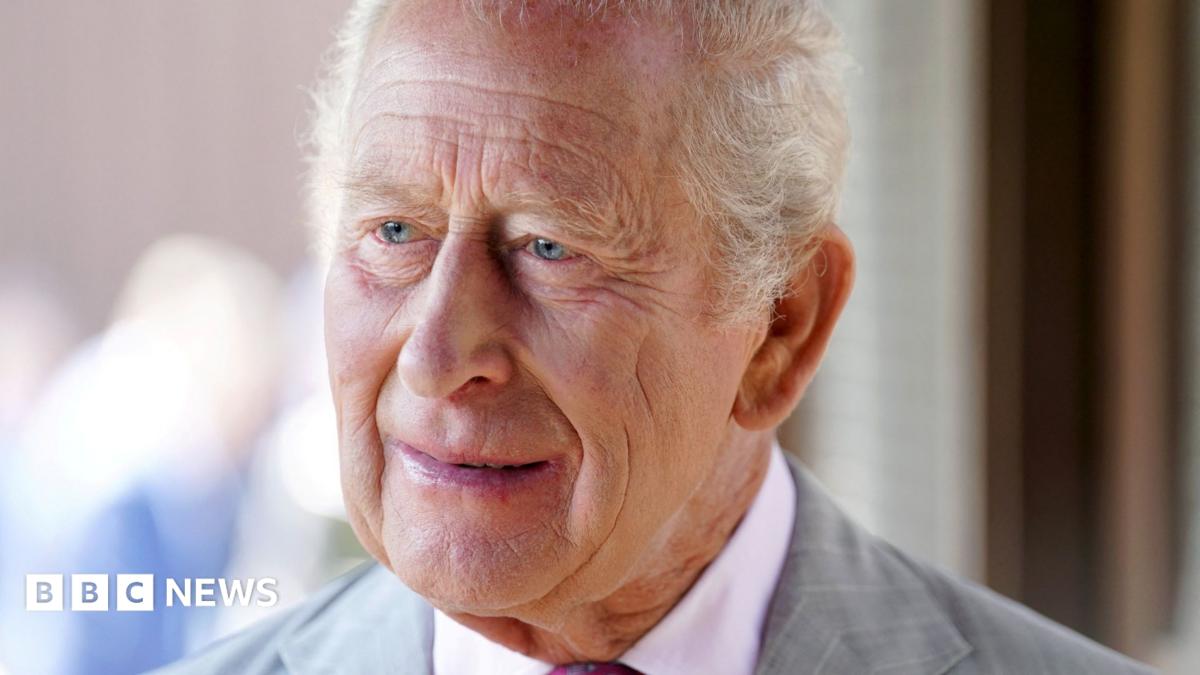
King's Caribbean tour will not shy away from 'darkest days of our past'Image Credit: BBC News
Key Points
- •LONDON – King Charles III is set to embark on a landmark Caribbean tour where the economic and moral legacy of the British Empire will take centre stage. Buckingham Palace has confirmed the tour will directly address the "darkest days of our past," a clear signal that the monarchy intends to confront, though not necessarily resolve, the escalating calls for apologies and financial reparations for its role in the transatlantic slave trade.
- •Tour Snapshot: The visit will span eight days, beginning in late October.
- •Key Destinations: The royal couple will travel to Antigua and Barbuda, the Bahamas, and Guyana.
- •Central Focus: While attending CHOGM is the official anchor, the tour is widely seen as an opportunity for the Crown to engage with former colonies on sensitive historical issues.
- •Formal Apology: A full, formal apology for slavery and genocide, viewed as the necessary first step before any financial settlement.
King's Caribbean tour will not shy away from 'darkest days of our past'
LONDON – King Charles III is set to embark on a landmark Caribbean tour where the economic and moral legacy of the British Empire will take centre stage. Buckingham Palace has confirmed the tour will directly address the "darkest days of our past," a clear signal that the monarchy intends to confront, though not necessarily resolve, the escalating calls for apologies and financial reparations for its role in the transatlantic slave trade.
The eight-day visit, commencing October 27, represents a significant diplomatic test for the King. It places him at the heart of a complex and emotionally charged debate that carries immense financial implications for the United Kingdom and its historical relationship with the Commonwealth.
The Royal Itinerary and Diplomatic Stakes
The King and Queen Camilla's tour is strategically significant, covering key nations within the Caribbean Community (CARICOM), a bloc that has been at the forefront of the global movement for reparatory justice.
The tour's primary purpose is the King's attendance at the Commonwealth Heads of Government Meeting (CHOGM) in Antigua and Barbuda. However, the inclusion of visits to the Bahamas and Guyana—nations actively grappling with their colonial past and future—ensures the issue of reparations will be a persistent theme.
- Tour Snapshot: The visit will span eight days, beginning in late October.
- Key Destinations: The royal couple will travel to Antigua and Barbuda, the Bahamas, and Guyana.
- Central Focus: While attending CHOGM is the official anchor, the tour is widely seen as an opportunity for the Crown to engage with former colonies on sensitive historical issues.
The Economic Core: Demands for Reparatory Justice
The calls for an apology are intrinsically linked to a formal, structured demand for economic and social reparations. For years, Caribbean nations have argued that the wealth of former colonial powers like the UK was built on the foundation of slavery and that the enduring economic disparities are a direct result of this exploitation.
The primary framework for these demands is CARICOM's "Ten-Point Plan for Reparatory Justice." This is not a vague appeal for cash but a detailed proposal for investment and restitution aimed at addressing the lasting damage of slavery.
CARICOM's Ten-Point Plan
The plan outlines a comprehensive approach to righting historical wrongs, with significant financial and developmental components:
- Formal Apology: A full, formal apology for slavery and genocide, viewed as the necessary first step before any financial settlement.
- Debt Cancellation: The cancellation of outstanding sovereign debt, which advocates argue is a direct legacy of colonial-era economic structures.
- Investment in Public Services: Funding for public health and education systems to combat the chronic diseases and institutional disadvantages traced back to the conditions of slavery.
- Technology Transfer: A programme to transfer technology and scientific knowledge to help Caribbean nations boost their economic competitiveness.
- Repatriation: Support for individuals of African descent who wish to return to their ancestral continent.
The potential financial scale of these claims is vast. While no definitive figure has been agreed upon, academic studies and advocacy groups have floated estimates running into the trillions of dollars when accounting for centuries of unpaid labour and compounded economic impact.
The UK Government's Position
A critical element shaping the King's diplomatic tightrope walk is the official stance of the British government. According to reports, the government has not advised the King to issue a formal apology or commit to reparations.
This position is rooted in deep-seated financial and legal concerns.
- Financial Liability: Acknowledging legal culpability through a formal state apology could expose the UK Treasury to immense and potentially unmanageable financial claims.
- Legal Precedent: Government officials are wary of setting a precedent that could lead to a cascade of legal challenges from former colonies around the world.
- Logistical Complexity: There is no political consensus on how reparations would be calculated, distributed, or funded, creating a political minefield for any sitting government.
This places the King in a position where he can express personal "sorrow" and acknowledge historical truths—as he has done in the past—but must stop short of a formal state apology that carries legal and financial weight. His words will be scrutinised for any deviation from this carefully calibrated line.
Historical Context: The Debt to Slave Owners
Fueling the modern reparations movement is the historical fact that when the UK abolished slavery in 1833, financial compensation was paid not to the enslaved people but to the slave owners for their "loss of property."
The British government took out a massive loan of £20 million at the time—equivalent to 40% of its entire national budget. This debt was so large that British taxpayers were unknowingly paying it off until 2015. This historical detail is a cornerstone of the argument that if the state could compensate the perpetrators, it has a moral and economic duty to address the descendants of the victims.
Implications and The Path Forward
King Charles's tour is unlikely to result in a dramatic breakthrough on financial reparations. The UK government's position remains firm, and the monarch's constitutional role limits his ability to make policy commitments.
However, the visit will achieve several things:
-
Elevate the Debate: The global media attention accompanying the tour will amplify the calls for reparatory justice, placing increased pressure on the UK government to formulate a more substantive response beyond simple expressions of regret.
-
Shift to Modern Partnerships: Expect the King to pivot discussions towards contemporary issues where the UK and Caribbean nations can collaborate, such as climate change resilience, sustainable development, and educational initiatives. This allows for positive engagement without conceding ground on reparations.
-
Test for the Commonwealth: The tour will serve as a barometer for the modern Commonwealth's relevance. How the King navigates these conversations could influence whether other realms, following the lead of Barbados, choose to remove the British monarch as their head of state.
Ultimately, while the vaults of the Treasury will remain closed for now, this tour ensures that the economic and moral accounting for Britain's "darkest days" is no longer a fringe academic debate but a central, unavoidable issue in 21st-century international relations.
Source: BBC News
Related Articles
Nationwide Protests Against ICE Enforcement Erupt in U.S.
Thousands are protesting ICE after the DOJ declined to investigate a fatal agent-involved shooting in Minneapolis, fueling a national movement and public anger.
Venezuela Amnesty Bill Could Free Political Prisoners
Learn about Venezuela's proposed amnesty bill to release political prisoners. The move could signal a major political shift and affect future economic sanctions
Pokémon Cancels Yasukuni Shrine Event After Backlash
The Pokémon Company has canceled an event at Tokyo's controversial Yasukuni Shrine after facing international backlash from China and South Korea.
US to Lose Measles Elimination Status: What It Means
The U.S. is poised to lose its measles elimination status due to escalating outbreaks. Learn what this downgrade means for public health and the economy.