Lord Triesman, ex-FA chairman & Labour peer, dies at 82
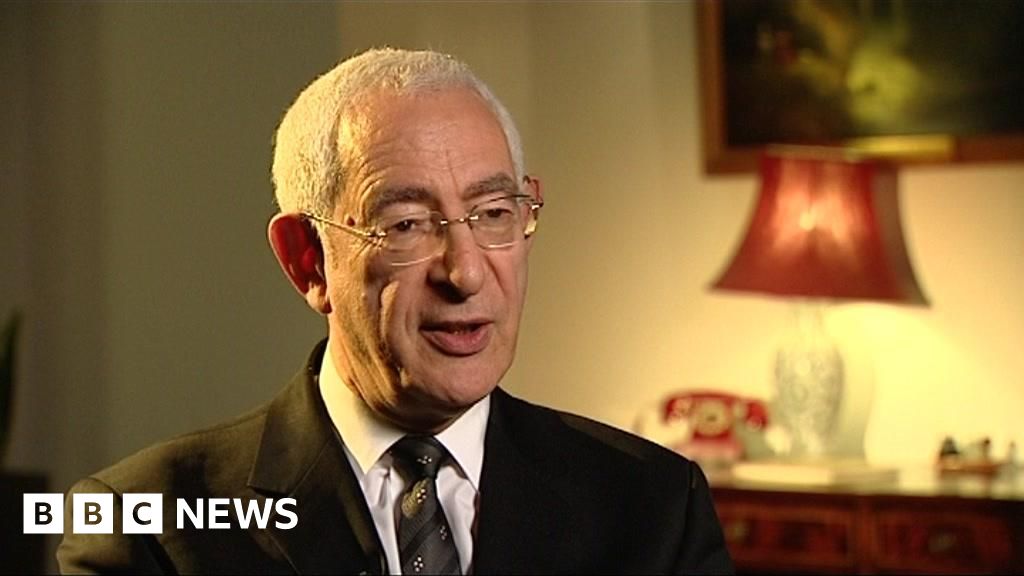
Lord Triesman: Labour peer and former FA chairman dies aged 82Image Credit: BBC News
Key Points
- •LONDON – Lord David Triesman, a towering figure whose career spanned the highest levels of academia, trade unionism, politics, and sports administration, has died at the age of 82. A life peer and former government minister, he is perhaps most widely remembered as the first independent chairman of the Football Association (FA), a tenure that ended abruptly amid a tabloid sting that derailed England's 2018 World Cup bid and served as a stark lesson in reputational risk.
- •Trade Unionism: As General Secretary of the Association of University Teachers (AUT) from 1993 to 2001, he modernized the union, navigating complex industrial relations and higher education funding issues.
- •Labour Party Power Broker: Appointed General Secretary of the Labour Party in 2001, he was tasked with managing the party's finances and organization during a period of significant electoral success, but also internal friction.
- •Government Minister: Elevated to the House of Lords in 2004 as Baron Triesman of Tottenham, he served as a minister in several departments, including the Foreign and Commonwealth Office and the Department for Innovation, Universities and Skills.
- •Governance Reform: His primary mission was to implement the Burns Report's recommendations, professionalizing the FA's board and decision-making processes to reflect a multi-billion-pound industry.
Lord Triesman: Labour peer and former FA chairman dies aged 82
LONDON – Lord David Triesman, a towering figure whose career spanned the highest levels of academia, trade unionism, politics, and sports administration, has died at the age of 82. A life peer and former government minister, he is perhaps most widely remembered as the first independent chairman of the Football Association (FA), a tenure that ended abruptly amid a tabloid sting that derailed England's 2018 World Cup bid and served as a stark lesson in reputational risk.
Lord Triesman's death marks the end of a remarkable, and at times contentious, public life. He was a skilled operator who navigated the complex corridors of power in Whitehall and the equally treacherous politics of international football, leaving an indelible mark on both.
A Multifaceted Career Path
Lord Triesman's journey to the helm of English football was unconventional. His career was a study in reinvention, moving seamlessly between disparate fields, driven by a sharp intellect and formidable ambition.
He began in academia, lecturing in sociology after his studies at the University of Cambridge. His political awakening saw him evolve from a student radical with communist sympathies to a key figure in the New Labour establishment.
- Trade Unionism: As General Secretary of the Association of University Teachers (AUT) from 1993 to 2001, he modernized the union, navigating complex industrial relations and higher education funding issues.
- Labour Party Power Broker: Appointed General Secretary of the Labour Party in 2001, he was tasked with managing the party's finances and organization during a period of significant electoral success, but also internal friction.
- Government Minister: Elevated to the House of Lords in 2004 as Baron Triesman of Tottenham, he served as a minister in several departments, including the Foreign and Commonwealth Office and the Department for Innovation, Universities and Skills.
The FA: A Mandate for Modernization
In 2008, Lord Triesman was appointed the first-ever independent chairman of the Football Association. The appointment was the direct result of the 2005 Burns Report, a government-backed review that called for a radical overhaul of the FA's antiquated governance structure.
His selection was a deliberate move to bring outside expertise—political acumen and corporate governance experience—to an organization often paralyzed by internal squabbles between the Premier League and other football stakeholders.
Key Objectives at the FA:
- Governance Reform: His primary mission was to implement the Burns Report's recommendations, professionalizing the FA's board and decision-making processes to reflect a multi-billion-pound industry.
- Financial Stewardship: Lord Triesman was responsible for overseeing the FA's complex finances, including the significant debt taken on to build the new Wembley Stadium.
- International Relations: He was expected to leverage his diplomatic skills to enhance England's influence within the corridors of FIFA and UEFA.
- The World Cup Bid: His most high-profile task became leading England's bid to host the 2018 FIFA World Cup, a project of immense national prestige and economic significance.
The Scandal that Ended a Career
It was the World Cup bid that would ultimately lead to his downfall. In May 2010, just weeks before the bid book was submitted to FIFA, the Mail on Sunday published a story based on secretly recorded conversations.
In the recordings, made by a former aide, Lord Triesman was heard suggesting that Spain and Russia, rival bidders for the World Cup, were planning to collude and bribe referees at the upcoming tournament in South Africa.
The fallout was immediate and catastrophic.
- The Allegations: Lord Triesman was recorded speculating that Spain would drop its 2018 bid in exchange for Russia's help in bribing referees to secure the 2010 World Cup.
- The Defence: He vehemently denied the claims were serious, stating they were part of a "private conversation" and that the remarks were "never intended to be taken seriously." He insisted it was entrapment.
- The Resignation: Despite his defence, the damage was done. The comments created a major diplomatic incident, forcing the FA to issue formal apologies to the Spanish and Russian football federations. Under immense pressure, Lord Triesman resigned from his roles as FA chairman and head of the 2018 bid.
The incident was a devastating blow to England's campaign, which was already facing a tough battle. The bid team spent weeks on damage control, and many analysts believe the affair fatally undermined England's credibility within FIFA's secretive and politically charged ecosystem. England ultimately received just two votes in the first round of voting.
Legacy and Implications
After his departure from the FA, Lord Triesman remained an active member of the House of Lords and pursued various business interests, including roles in finance and corporate advisory.
His legacy is complex. He was a brilliant modernizer who brought a much-needed dose of professionalism to the institutions he led. At the FA, he laid crucial groundwork for governance reforms that continue to shape the organization today.
However, his story serves as a cautionary tale about the intersection of power, media, and sport. The 2010 scandal highlights the immense personal and professional risks for leaders in the public eye and the brutal consequences of a single, unguarded moment.
The issues Lord Triesman grappled with—football governance, the opaque world of FIFA bidding, and the financial pressures on national sporting bodies—remain profoundly relevant. His career, in both its triumphs and its dramatic conclusion, offers a powerful case study in the challenges of leadership in the modern era.
Source: BBC News
Related Articles
Nationwide Protests Against ICE Enforcement Erupt in U.S.
Thousands are protesting ICE after the DOJ declined to investigate a fatal agent-involved shooting in Minneapolis, fueling a national movement and public anger.
Venezuela Amnesty Bill Could Free Political Prisoners
Learn about Venezuela's proposed amnesty bill to release political prisoners. The move could signal a major political shift and affect future economic sanctions
Pokémon Cancels Yasukuni Shrine Event After Backlash
The Pokémon Company has canceled an event at Tokyo's controversial Yasukuni Shrine after facing international backlash from China and South Korea.
US to Lose Measles Elimination Status: What It Means
The U.S. is poised to lose its measles elimination status due to escalating outbreaks. Learn what this downgrade means for public health and the economy.