Minion at 2026 Olympics: Skater Gets Music Rights
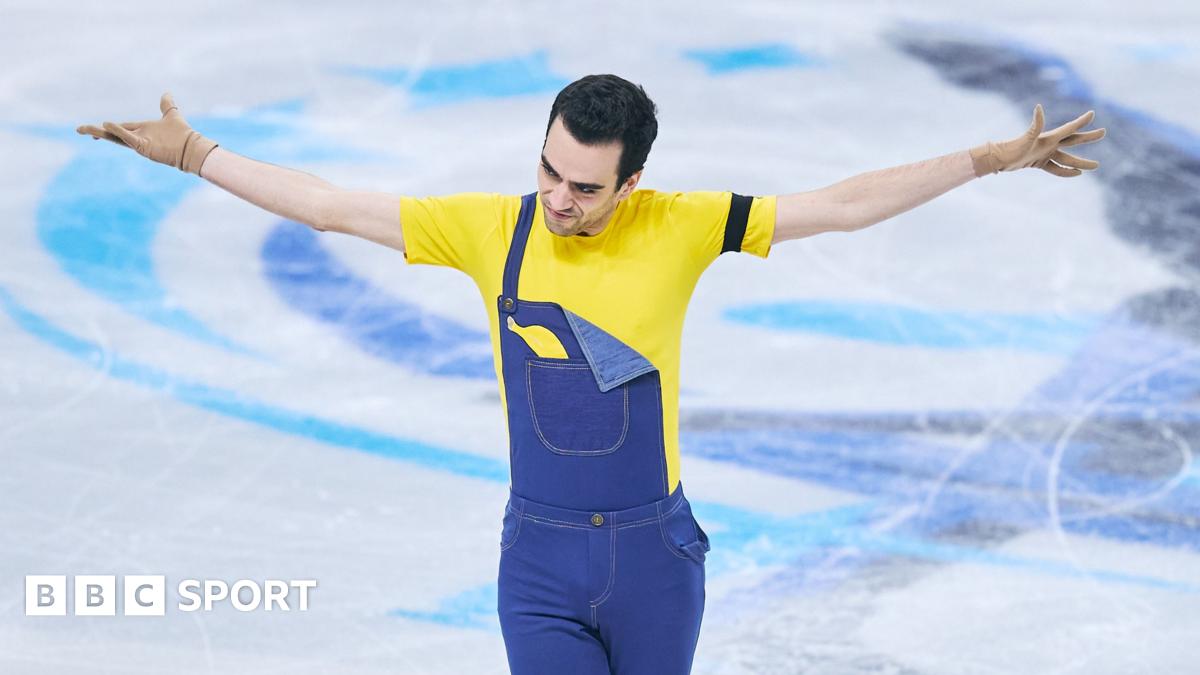
Minion at 2026 Winter Olympics: Tomas-Llorenc Guarino Sabate given Minions music permissionImage Credit: BBC News
Key Points
- •MILAN – A high-stakes intellectual property dispute that captured global attention and threatened to sideline one of the 2026 Winter Olympics' most anticipated figure skating programs has reached a resolution. Spanish skater Tomas-Llorenc Guarino Sabate will, in fact, be permitted to perform his viral "Minions" routine on Olympic ice, ending days of intense legal negotiations and public outcry.
- •The Olympic Stage: Unlike a standard Grand Prix or World Championship event, the Olympics represent a massive, global broadcast controlled by the International Olympic Committee (IOC) and its rights-holding broadcast partners. Any content, including music, featured in this broadcast is subject to intense scrutiny and requires specific, often costly, licensing.
- •The Legal Hurdle: The use of popular music in a televised broadcast requires what is known as a "synchronization license." This grants the right to pair a specific piece of music with visual media. Securing these rights for a global event with myriad international broadcasters is a far more complex and expensive proposition than for a regular season competition.
- •Brand Protection: The IOC fiercely protects its brand and the exclusivity of its official sponsors. The "clean venue" principle, which eliminates non-sponsor branding from inside Olympic venues, extends to intellectual property. An unlicensed, high-profile IP like the Minions appearing prominently in the broadcast was seen as a significant breach of this commercial protocol.
- •Synchronization Licenses: As the primary hurdle in this case, these are agreements with the music's publishers (who own the composition) and the record label (who own the master recording). Fees can be substantial, running into the tens or even hundreds of thousands of dollars depending on the song's popularity and the scope of its use.
Minion at 2026 Winter Olympics: Tomas-Llorenc Guarino Sabate given Minions music permission
MILAN – A high-stakes intellectual property dispute that captured global attention and threatened to sideline one of the 2026 Winter Olympics' most anticipated figure skating programs has reached a resolution. Spanish skater Tomas-Llorenc Guarino Sabate will, in fact, be permitted to perform his viral "Minions" routine on Olympic ice, ending days of intense legal negotiations and public outcry.
The decision represents a significant, last-minute victory for the 26-year-old athlete, but it also casts a bright spotlight on the complex and often unforgiving commercial framework of the modern Olympic Games, where artistic expression collides with multi-billion dollar broadcasting and licensing agreements.
A Last-Minute Reprieve
After a period of intense uncertainty, Sabate confirmed on Friday that his team had successfully secured the necessary rights to the music from the Minions animated film franchise, owned by Universal Pictures and Illumination.
"We have made it: we have obtained the licences for all four musical pieces, and I will be able to skate my Minions program at the Winter Olympics," Sabate announced to his followers via an Instagram post.
He acknowledged the difficulty of the process, adding, "It has not been an easy process, but the support from everyone who has followed my case has been essential in keeping me motivated and optimistic throughout these days."
The news ensures that one of the season's most talked-about performances will proceed as planned in the men's singles competition.
The Heart of the Conflict: Art vs. Copyright
Throughout the 2025-26 figure skating season, Sabate has charmed audiences and judges alike with a high-energy program set to a medley of songs from the blockbuster films. His performance, complete with a distinctive yellow shirt and blue overalls costume, has made him a fan favorite and a dark horse contender.
The issue arose not from the performance itself, but from the unique, heavily protected environment of the Olympic Games.
-
The Olympic Stage: Unlike a standard Grand Prix or World Championship event, the Olympics represent a massive, global broadcast controlled by the International Olympic Committee (IOC) and its rights-holding broadcast partners. Any content, including music, featured in this broadcast is subject to intense scrutiny and requires specific, often costly, licensing.
-
The Legal Hurdle: The use of popular music in a televised broadcast requires what is known as a "synchronization license." This grants the right to pair a specific piece of music with visual media. Securing these rights for a global event with myriad international broadcasters is a far more complex and expensive proposition than for a regular season competition.
-
Brand Protection: The IOC fiercely protects its brand and the exclusivity of its official sponsors. The "clean venue" principle, which eliminates non-sponsor branding from inside Olympic venues, extends to intellectual property. An unlicensed, high-profile IP like the Minions appearing prominently in the broadcast was seen as a significant breach of this commercial protocol.
The Business of Olympic Music
The controversy surrounding Sabate's routine highlights the intricate and high-cost business of music licensing in elite sports. For athletes, the choice of music is not merely an artistic one; it is a business decision that can have significant financial and legal ramifications.
The core of the issue involves multiple layers of rights that must be cleared for an event of this scale.
-
Synchronization Licenses: As the primary hurdle in this case, these are agreements with the music's publishers (who own the composition) and the record label (who own the master recording). Fees can be substantial, running into the tens or even hundreds of thousands of dollars depending on the song's popularity and the scope of its use.
-
Performance Rights: These are fees paid to performing rights organizations (PROs) like ASCAP, BMI, and SESAC for the right to play music publicly in the arena. While typically handled by the event organizer, the Olympic context adds layers of complexity.
-
The Public Pressure Factor: The widespread online support for Sabate likely played a crucial role. For a major media conglomerate like Universal, the negative publicity of being seen to block a popular Olympic athlete could have outweighed the immediate financial calculus of a licensing fee. The resolution suggests a pragmatic business decision was made, turning a potential PR crisis into a positive brand association.
Context and Implications
This is not the first time music rights have become a central issue in figure skating. For decades, skaters primarily used classical or original compositions that were in the public domain to avoid such conflicts. The rule change allowing vocal music in 1997 opened the door for more contemporary programs, but it also introduced the complexities of modern copyright law.
The resolution of Sabate's case sets a noteworthy precedent. It underscores that while the IOC's commercial rules are rigid, a combination of determined negotiation and significant public support can force a solution.
What's Next
-
For Sabate: With the legal distractions behind him, Sabate can now focus entirely on his on-ice performance. The immense publicity generated by this ordeal has dramatically raised his international profile ahead of the competition.
-
For the IOC and Federations: This incident may prompt a review of the music clearance process. National governing bodies may need to become more proactive in assisting athletes with securing complex licenses well in advance of the Games to avoid similar last-minute crises.
-
The Bottom Line: The case of the "Minion on Ice" is a stark reminder that the Olympic Games are as much a global business as they are a sporting spectacle. Every element, down to a skater's 4-minute musical program, is an asset governed by contracts and copyright. While the art and the athlete ultimately prevailed, it was only after navigating a gauntlet of corporate and legal interests.
Source: BBC News
Related Articles
Nationwide Protests Against ICE Enforcement Erupt in U.S.
Thousands are protesting ICE after the DOJ declined to investigate a fatal agent-involved shooting in Minneapolis, fueling a national movement and public anger.
Venezuela Amnesty Bill Could Free Political Prisoners
Learn about Venezuela's proposed amnesty bill to release political prisoners. The move could signal a major political shift and affect future economic sanctions
Pokémon Cancels Yasukuni Shrine Event After Backlash
The Pokémon Company has canceled an event at Tokyo's controversial Yasukuni Shrine after facing international backlash from China and South Korea.
US to Lose Measles Elimination Status: What It Means
The U.S. is poised to lose its measles elimination status due to escalating outbreaks. Learn what this downgrade means for public health and the economy.