ICE Detains US Citizens in Minnesota, Sparking Lawsuits
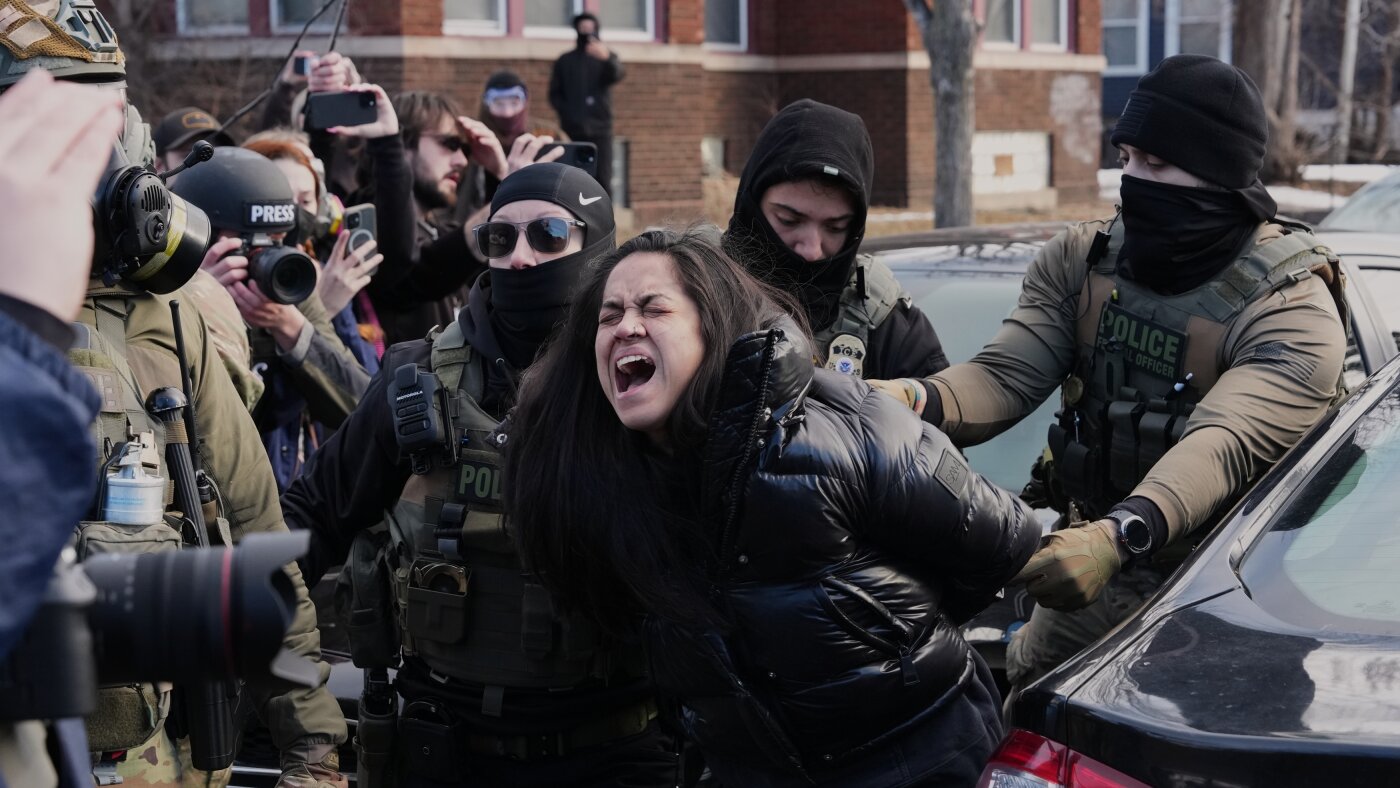
Minnesota citizens detained by ICE are left rattled, even weeks laterImage Credit: NPR Politics
Key Points
- •MINNEAPOLIS – A series of aggressive immigration enforcement actions in Minnesota has left a trail of rattled U.S. citizens, sparking legal challenges and raising profound questions about constitutional rights. Even as federal officials suggest a potential reduction in the number of agents in the state, residents who were detained, questioned, or physically arrested say the fear and trauma linger, transforming their sense of safety in their own communities.
- •Medical Emergency: While detained, Rahman experienced a severe headache and requested medical care for over an hour before passing out. She later awoke in a hospital, where doctors informed her she had suffered a concussion.
- •Lasting Fear: More than two weeks after the arrest, the psychological impact remains. "I do not feel safe being in my own home, driving these streets," she said.
- •ChongLy Scott Thao: A Hmong-American citizen, Thao was pulled from his home wearing only sandals, underwear, and a blanket. He reported that agents drove him to a remote location, photographed him, and made him fear for his safety before eventually returning him home.
- •Mubashir Khalif Hussen: This Somali-American citizen is now a plaintiff in a class-action lawsuit against the Trump administration. He described being tackled without warning by a masked officer. "I told him, 'I'm a U.S. citizen.' He didn't seem to care," Hussen said at a news conference. He alleges he was dragged through the snow while handcuffed and later released seven miles from his home and told to walk back.
Minnesota citizens detained by ICE are left rattled, even weeks later
MINNEAPOLIS – A series of aggressive immigration enforcement actions in Minnesota has left a trail of rattled U.S. citizens, sparking legal challenges and raising profound questions about constitutional rights. Even as federal officials suggest a potential reduction in the number of agents in the state, residents who were detained, questioned, or physically arrested say the fear and trauma linger, transforming their sense of safety in their own communities.
The detentions have moved from viral social media clips to the federal courthouse, with citizens alleging racial profiling and excessive force by U.S. Immigration and Customs Enforcement (ICE) officers.
Case Studies in Citizen Detention
The accounts share a common thread: U.S. citizens of color being confronted, and in some cases physically apprehended, by federal immigration agents. These incidents have become the basis for a class-action lawsuit and a broader public outcry.
Aliya Rahman: An Arrest in Chaos
Aliya Rahman, a Bangladeshi-American citizen, was on her way to a doctor's appointment when she encountered an ICE operation and a protest. The scene was chaotic. Rahman, who is autistic and recovering from a traumatic brain injury, says she struggled to process multiple, conflicting commands from officers to move her car.
Within moments, officers dragged her from her vehicle and forced her to the ground. "I thought I might well die," Rahman stated. She was carried by her limbs to an ICE vehicle. Inside, she recalled hearing an officer radio, "we're bringing in a body," a reference she soon realized was about her.
Rahman was transported to the Whipple Federal Building, a known processing center for immigration detainees.
- Medical Emergency: While detained, Rahman experienced a severe headache and requested medical care for over an hour before passing out. She later awoke in a hospital, where doctors informed her she had suffered a concussion.
- Lasting Fear: More than two weeks after the arrest, the psychological impact remains. "I do not feel safe being in my own home, driving these streets," she said.
The Department of Homeland Security (DHS) stated that Rahman was arrested because she "ignored multiple commands."
Other Citizen Encounters
Rahman's experience is not an isolated one. Other U.S. citizens have reported similarly harrowing encounters with ICE agents in Minnesota.
- ChongLy Scott Thao: A Hmong-American citizen, Thao was pulled from his home wearing only sandals, underwear, and a blanket. He reported that agents drove him to a remote location, photographed him, and made him fear for his safety before eventually returning him home.
- Mubashir Khalif Hussen: This Somali-American citizen is now a plaintiff in a class-action lawsuit against the Trump administration. He described being tackled without warning by a masked officer. "I told him, 'I'm a U.S. citizen.' He didn't seem to care," Hussen said at a news conference. He alleges he was dragged through the snow while handcuffed and later released seven miles from his home and told to walk back.
- Luis and Irma Escoto: The impact extends beyond formal arrests. Luis Escoto, owner of a local taco shop, said agents surrounded his wife's car in their restaurant's alley as she was running an errand. The incident, while not resulting in an arrest, left the family shaken and exemplifies the wider climate of fear among community members.
Federal Response and Legal Scrutiny
The incidents have placed the tactics and legal authority of ICE under a microscope, prompting sharp denials from the federal government and critical analysis from legal experts.
In a statement to NPR, the Department of Homeland Security called allegations of racial profiling "disgusting, reckless and categorically FALSE."
However, legal scholars argue the pattern of events suggests a systemic issue. Walter Olson, a senior fellow at the libertarian Cato Institute, contends the actions go beyond isolated mistakes.
"This is no longer just a series of accidents that could have been due to someone being badly trained or being a bad apple," Olson said. "This is a systematic assault on constitutional rights."
The Constitutional Framework
At the heart of the debate is the Fourth Amendment, which protects individuals from unreasonable searches and seizures.
- The Legal Standard: Courts have established that law enforcement needs "reasonable suspicion" to stop someone and the higher standard of "probable cause" to make an arrest.
- The Role of Race: It is a settled legal principle that skin color or perceived ethnicity alone does not meet the bar for reasonable suspicion.
- A Supreme Court Shift: A Supreme Court ruling last fall, however, determined that "apparent ethnicity" could be one factor among others in establishing reasonable suspicion. Legal experts say this decision may grant federal agents like those in ICE wider discretion in the field.
A National Pattern and Future Implications
The events in Minnesota are not occurring in a vacuum. Analysts point to similar federal crackdowns in other major U.S. cities, suggesting a repeatable enforcement strategy.
Olson noted that federal courts issued rulings against the government's immigration enforcement campaigns in Los Angeles, Chicago, and Portland. "And they were not led to call off or rethink the campaign," he said. "They just regrouped and came back to another state."
The Path Forward
Federal officials have recently signaled a willingness to reduce the large number of immigration agents deployed in Minnesota. However, they have explicitly tied any potential drawdown to the level of "state and local cooperation," a condition that introduces a complex political dynamic.
Even if a de-escalation occurs, the operations will leave behind a "changed community." The class-action lawsuit filed by Mubashir Khalif Hussen represents a formal, long-term challenge to the legality of these tactics.
The bottom line: The detention of U.S. citizens in Minnesota has escalated into a significant constitutional battle. The incidents test the boundaries of federal power, the protections of the Fourth Amendment, and the trust between communities and law enforcement. The outcome of the legal challenges and the federal government's next steps will have implications that resonate far beyond the streets of Minneapolis.
Source: NPR Politics
Related Articles
Nationwide Protests Against ICE Enforcement Erupt in U.S.
Thousands are protesting ICE after the DOJ declined to investigate a fatal agent-involved shooting in Minneapolis, fueling a national movement and public anger.
Venezuela Amnesty Bill Could Free Political Prisoners
Learn about Venezuela's proposed amnesty bill to release political prisoners. The move could signal a major political shift and affect future economic sanctions
Pokémon Cancels Yasukuni Shrine Event After Backlash
The Pokémon Company has canceled an event at Tokyo's controversial Yasukuni Shrine after facing international backlash from China and South Korea.
US to Lose Measles Elimination Status: What It Means
The U.S. is poised to lose its measles elimination status due to escalating outbreaks. Learn what this downgrade means for public health and the economy.