Nintendo Switch Becomes Best-Selling Console in History
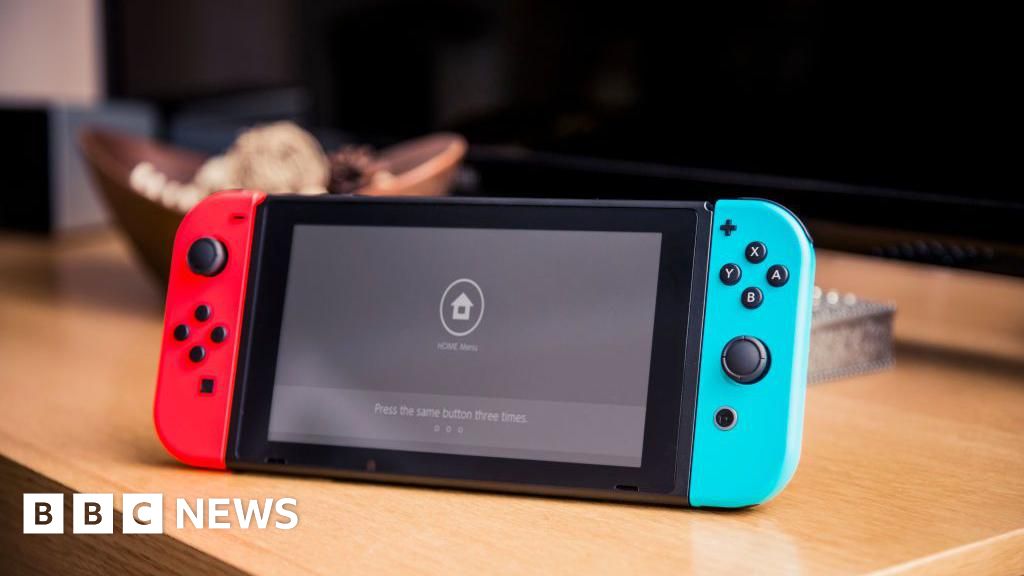
Nintendo Switch becomes gaming giant's best-selling console in historyImage Credit: BBC News
Key Points
- •TOKYO – Nintendo has officially crowned a new king. The company's innovative hybrid console, the Switch, has surpassed the monumental sales of the Nintendo DS, becoming the best-selling piece of hardware in the Japanese gaming giant's storied 134-year history. This landmark achievement cements the Switch's place in the pantheon of iconic consoles and marks a stunning corporate turnaround from the commercial failure of its predecessor, the Wii U.
- •Nintendo Switch: Now the company's best-selling console, exceeding the 154 million unit benchmark set by the DS. The system continues to sell, albeit at a slower pace in its seventh year.
- •Nintendo DS: The former champion, a dual-screen handheld that revolutionized portable gaming and sold approximately 154.02 million units.
- •Game Boy / Game Boy Color: The device that put portable gaming on the map, with combined sales of 118.69 million units.
- •Wii: The motion-control phenomenon that brought gaming to a massive new audience, selling 101.63 million units.
Nintendo Switch becomes gaming giant's best-selling console in history
TOKYO – Nintendo has officially crowned a new king. The company's innovative hybrid console, the Switch, has surpassed the monumental sales of the Nintendo DS, becoming the best-selling piece of hardware in the Japanese gaming giant's storied 134-year history. This landmark achievement cements the Switch's place in the pantheon of iconic consoles and marks a stunning corporate turnaround from the commercial failure of its predecessor, the Wii U.
The milestone underscores the success of a high-stakes bet made over seven years ago—a bet on a single, versatile device designed to bridge the gap between living room and on-the-go gaming. For investors and the industry alike, it validates Nintendo's unique hardware philosophy in an era dominated by raw processing power and cloud gaming.
A New Record in the Books
The Nintendo Switch family of systems—comprising the original 2017 model, the handheld-only Switch Lite, and the upgraded Switch OLED—has now sold more units than the Nintendo DS family, which previously held the top spot with approximately 154 million units sold worldwide.
This achievement places the Switch in an elite category of hardware sales, rivaled only by Sony's PlayStation 2.
Nintendo's All-Time Hardware Sales
- Nintendo Switch: Now the company's best-selling console, exceeding the 154 million unit benchmark set by the DS. The system continues to sell, albeit at a slower pace in its seventh year.
- Nintendo DS: The former champion, a dual-screen handheld that revolutionized portable gaming and sold approximately 154.02 million units.
- Game Boy / Game Boy Color: The device that put portable gaming on the map, with combined sales of 118.69 million units.
- Wii: The motion-control phenomenon that brought gaming to a massive new audience, selling 101.63 million units.
The Anatomy of a Phenomenon
The Switch's unprecedented success was not accidental. It was the result of a carefully executed strategy that corrected the missteps of the past and perfectly captured the market's evolving demands.
The core appeal was its revolutionary hybrid design. Nintendo effectively merged its historically separate home console and handheld divisions into one unified ecosystem. This "play anywhere" concept offered a level of flexibility its competitors, the PlayStation and Xbox, could not match.
Equally critical was a relentless cadence of high-quality, exclusive software.
- Launch Perfection: The console launched alongside The Legend of Zelda: Breath of the Wild, a system-seller widely regarded as one of the greatest games ever made. This ensured strong initial momentum.
- Sustained Hits: A steady stream of critically and commercially successful first-party titles followed, including Super Mario Odyssey, Super Smash Bros. Ultimate, and Pokémon Scarlet and Violet.
- Cultural Zeitgeist: The 2020 release of Animal Crossing: New Horizons became a global cultural phenomenon during the COVID-19 pandemic, providing a sense of community and escapism that drove console sales to staggering new heights.
A Stunning Reversal of Fortune
To fully appreciate the Switch's triumph is to remember the precarious position Nintendo occupied just before its launch. The company was reeling from the commercial disaster of the Wii U.
Launched in 2012, the Wii U struggled with a confusing marketing message, a cumbersome central gimmick (the GamePad), and a severe lack of third-party software support. It sold a mere 13.56 million units in its lifetime—a catastrophic failure by Nintendo's standards.
The pressure on the Switch was immense. It was a make-or-break product that carried the weight of the company's hardware future. Its success not only saved Nintendo's console business but restored its reputation as an industry innovator.
Navigating the Challenges of a Successor
With the Switch now in its twilight years, all eyes are on Nintendo's next move. The inevitable announcement of a successor, colloquially dubbed the "Switch 2," carries the enormous burden of following a historic success. Analysts caution that replicating the original's sales trajectory will be a formidable challenge amid different global conditions.
"And other elements such as US tariffs and 'the current economic situation in many of Nintendo's major markets' could mean the second Switch never quite reaches the highs of its predecessor," said Chris Scullion, deputy editor of Video Games Chronicle.
The path forward for Nintendo's next hardware is fraught with potential hurdles.
- Economic Headwinds: As Scullion notes, persistent inflation and a higher cost of living in key markets like North America and Europe could dampen consumer appetite for a new, premium-priced console.
- Geopolitical Factors: Ongoing trade tensions and supply chain vulnerabilities, including potential US tariffs on goods manufactured in China, could impact pricing, production, and profitability.
- The High Bar of Success: The Switch's massive install base means a successor must offer a compelling reason for over 150 million users to upgrade, a significantly harder task than selling a new concept after the Wii U's failure.
- Competitive Landscape: While the Switch carved its own niche, its successor will enter a mature market where Sony and Microsoft have solidified their next-gen user bases and cloud gaming continues to gain traction.
The Road Ahead: Beyond the Console
Anticipating these challenges, Nintendo has spent the last several years diversifying its business model to mitigate its reliance on hardware cycles. The company is transforming into a broader entertainment juggernaut, leveraging its treasure trove of intellectual property (IP).
This strategy is already bearing fruit. The blockbuster success of The Super Mario Bros. Movie, which grossed over $1.3 billion worldwide, and the expansion of Super Nintendo World theme parks in Japan and the United States, are creating powerful new revenue streams.
The legacy of the Nintendo Switch, therefore, is twofold. It is not only the company's best-selling console, a device that redefined play and rescued its hardware division. It is also the platform that provided the financial stability and cultural relevance for Nintendo to evolve, ensuring that even if its next console doesn't break records, the House of Mario is built on a foundation stronger than ever.
Source: BBC News
Related Articles
Nationwide Protests Against ICE Enforcement Erupt in U.S.
Thousands are protesting ICE after the DOJ declined to investigate a fatal agent-involved shooting in Minneapolis, fueling a national movement and public anger.
Venezuela Amnesty Bill Could Free Political Prisoners
Learn about Venezuela's proposed amnesty bill to release political prisoners. The move could signal a major political shift and affect future economic sanctions
Pokémon Cancels Yasukuni Shrine Event After Backlash
The Pokémon Company has canceled an event at Tokyo's controversial Yasukuni Shrine after facing international backlash from China and South Korea.
US to Lose Measles Elimination Status: What It Means
The U.S. is poised to lose its measles elimination status due to escalating outbreaks. Learn what this downgrade means for public health and the economy.