Novo Nordisk Warns of Wegovy Price Cuts as Shares Slump
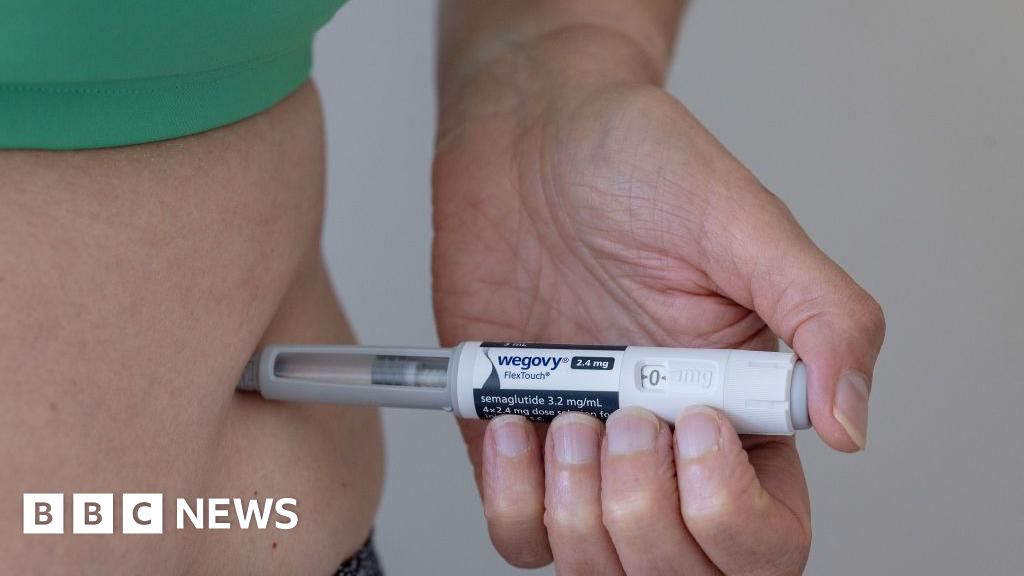
Wegovy-maker Novo Nordisk warns of 'painful' price cuts as shares slumpImage Credit: BBC News
Key Points
- •LONDON – Shares in Novo Nordisk, the Danish pharmaceutical titan behind the blockbuster weight-loss drug Wegovy, tumbled on Tuesday following stark warnings over intensifying price competition in the critical U.S. market. The company, which recently became Europe's most valuable, is facing a two-front war of aggressive political pressure to lower costs and a fierce rivalry with U.S. competitor Eli Lilly, forcing a strategic pivot that could see "painful" reductions in the very prices that fueled its meteoric rise.
- •Why it matters: The staggering success of new-generation obesity drugs has created a multi-billion dollar market, but it has also placed their high price tags directly in the crosshairs of policymakers and competitors. The resulting price war, while potentially beneficial for patients, threatens the sky-high profit margins that investors have come to expect, signaling a new, more volatile chapter for the pharmaceutical sector's brightest stars.
- •Political Initiatives: A proposed government-affiliated platform, dubbed "TrumpRx" in preliminary discussions, aims to make weight-loss drugs more accessible. Initial plans suggest users could access Wegovy and its rival Zepbound for an average of $350 per month, with a target to eventually lower that to $250 per month.
- •Medicare Negotiations: Separately, official negotiations under the Inflation Reduction Act are forcing even steeper discounts. The U.S. government's Medicare program is targeting a net price of just $245 per month for leading GLP-1 drugs, including Ozempic, Wegovy, Mounjaro, and Zepbound.
- •Current Reality: These proposed prices stand in stark contrast to the current U.S. list prices for these medications, which typically range from $950 to over $1,300 for a month's supply before insurance or rebates. This highlights the "painful" margin compression that Novo Nordisk executives have alluded to.
Wegovy-maker Novo Nordisk warns of 'painful' price cuts as shares slump
LONDON – Shares in Novo Nordisk, the Danish pharmaceutical titan behind the blockbuster weight-loss drug Wegovy, tumbled on Tuesday following stark warnings over intensifying price competition in the critical U.S. market. The company, which recently became Europe's most valuable, is facing a two-front war of aggressive political pressure to lower costs and a fierce rivalry with U.S. competitor Eli Lilly, forcing a strategic pivot that could see "painful" reductions in the very prices that fueled its meteoric rise.
Why it matters: The staggering success of new-generation obesity drugs has created a multi-billion dollar market, but it has also placed their high price tags directly in the crosshairs of policymakers and competitors. The resulting price war, while potentially beneficial for patients, threatens the sky-high profit margins that investors have come to expect, signaling a new, more volatile chapter for the pharmaceutical sector's brightest stars.
The Price Pressure in Focus
The core of investor anxiety stems from the rapid erosion of pricing power in the United States, the world's largest and most profitable pharmaceutical market. Recent proposals and negotiations signal a future where list prices north of $1,000 per month are no longer sustainable.
The data points to a dramatic downward trend, with government-led initiatives aiming to slash costs by over 75% from current list prices.
-
Political Initiatives: A proposed government-affiliated platform, dubbed "TrumpRx" in preliminary discussions, aims to make weight-loss drugs more accessible. Initial plans suggest users could access Wegovy and its rival Zepbound for an average of $350 per month, with a target to eventually lower that to $250 per month.
-
Medicare Negotiations: Separately, official negotiations under the Inflation Reduction Act are forcing even steeper discounts. The U.S. government's Medicare program is targeting a net price of just $245 per month for leading GLP-1 drugs, including Ozempic, Wegovy, Mounjaro, and Zepbound.
-
Current Reality: These proposed prices stand in stark contrast to the current U.S. list prices for these medications, which typically range from $950 to over $1,300 for a month's supply before insurance or rebates. This highlights the "painful" margin compression that Novo Nordisk executives have alluded to.
A Two-Front War: Politics and Competition
Novo Nordisk's predicament is not born from a single threat, but from the convergence of political will and market dynamics. Each factor amplifies the other, creating a perfect storm of pricing pressure.
The Political Battlefield
The high cost of prescription drugs is a potent political issue in the U.S., and the immense popularity of GLP-1 drugs has made them a prime target for reform.
-
Inflation Reduction Act (IRA): This landmark legislation granted the Medicare program, which covers 65 million Americans, the power to directly negotiate prices for the first time. The inclusion of drugs like Ozempic on negotiation lists sent a clear signal that the era of unchecked pricing is over.
-
Election Year Scrutiny: With a presidential election looming, both political parties are eager to demonstrate they are taking action on healthcare costs. Proposals like the aforementioned "TrumpRx" are designed to appeal to voters struggling with affordability, putting further public pressure on manufacturers to concede on price.
The Rivalry with Eli Lilly
Simultaneously, the competitive landscape has been transformed by the success of Eli Lilly, Novo Nordisk's primary challenger. The intense duel for market share means that if one company lowers its price to gain favor with insurers or governments, the other is almost forced to follow suit.
-
Novo Nordisk's Portfolio: The Danish firm leads with Ozempic (approved for type 2 diabetes but widely used for weight loss) and Wegovy (specifically approved for weight management). Both contain the active ingredient semaglutide.
-
Eli Lilly's Counterparts: The U.S. company offers Mounjaro (for diabetes) and Zepbound (for weight management). Both contain tirzepatide, which clinical trials suggest may be slightly more effective for weight loss, giving Lilly a key competitive edge.
-
Shared Mechanism, Fierce Competition: All four drugs belong to a class known as GLP-1 receptor agonists. Because they work similarly, pharmacy benefit managers (PBMs) and large insurance plans can play the two companies against each other, demanding significant rebates in exchange for placing one drug on their preferred list, or "formulary," over the other.
Broader Market Implications
The unfolding price war has significant consequences for all stakeholders, from the patients seeking treatment to the investors funding the next wave of medical innovation.
-
For Patients and Insurers: Lower prices are unequivocally good news. It could lead to broader insurance coverage for obesity—a condition many plans have historically excluded—and make the drugs accessible to a wider population that cannot afford the current out-of-pocket costs.
-
For Novo Nordisk & Eli Lilly: The challenge is to balance market share with profitability. While lower prices will hurt margins, they will also dramatically expand the potential user base. The companies that can scale production fastest and manage their supply chains most efficiently will be best positioned to win in this new, high-volume, lower-margin environment.
-
For Investors: The extreme volatility in Novo Nordisk's stock reflects a fundamental repricing of risk. The question is no longer if these drugs will be successful, but rather how profitable that success will be in the long run. Future growth projections are now being tempered by the reality of government negotiations and intense competition.
What's Next?
The market is now closely watching for Novo Nordisk's next move. The company must navigate a delicate balancing act: it needs to protect its market share from Eli Lilly without sacrificing the profitability that made it a European corporate champion.
Investors and analysts will be scrutinizing upcoming quarterly earnings calls for guidance on expected net prices, sales volumes, and the company's long-term strategy for managing a market that is rapidly evolving from a high-price gold rush into a high-volume battle for mass-market dominance. The "painful" cuts warned of today may be the necessary price to pay for securing a leading role in the future of metabolic medicine.
Source: BBC News
Related Articles
Nationwide Protests Against ICE Enforcement Erupt in U.S.
Thousands are protesting ICE after the DOJ declined to investigate a fatal agent-involved shooting in Minneapolis, fueling a national movement and public anger.
Venezuela Amnesty Bill Could Free Political Prisoners
Learn about Venezuela's proposed amnesty bill to release political prisoners. The move could signal a major political shift and affect future economic sanctions
Pokémon Cancels Yasukuni Shrine Event After Backlash
The Pokémon Company has canceled an event at Tokyo's controversial Yasukuni Shrine after facing international backlash from China and South Korea.
US to Lose Measles Elimination Status: What It Means
The U.S. is poised to lose its measles elimination status due to escalating outbreaks. Learn what this downgrade means for public health and the economy.