Nuneaton Social Supermarket Offers Affordable Food & Support
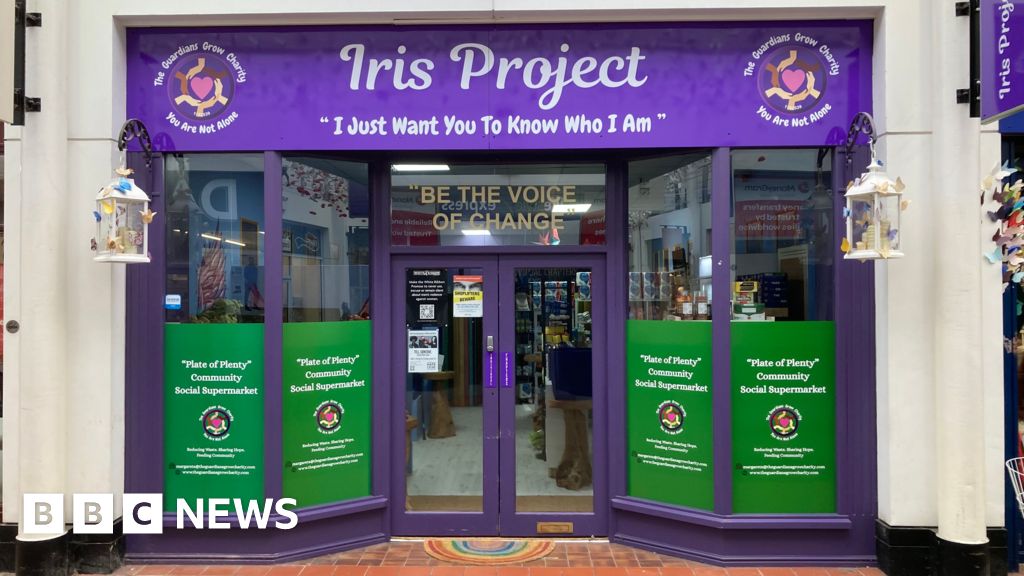
Nuneaton social supermarket aims to provide affordable foodImage Credit: BBC Business (Finance)
Key Points
- •LONDON – Amid a persistent cost-of-living crisis that continues to strain household budgets across the United Kingdom, a new social supermarket has opened in Nuneaton, Warwickshire, representing a significant evolution in the approach to tackling food insecurity. The initiative moves beyond the traditional food bank model by not only providing deeply discounted groceries but also integrating a comprehensive suite of support services, aiming to address the root causes of financial hardship rather than just its symptoms.
- •Core Offering: Members pay a small weekly fee, which grants them access to the supermarket to select a specific number of items, including fresh fruit, vegetables, meat, and essential pantry staples. The value of the goods typically far exceeds the membership cost.
- •Integrated Support: The facility acts as a hub, co-locating or providing direct referrals to a range of crucial services. This includes debt counselling, benefits advice, employment coaching, mental health support, and housing assistance.
- •Goal of Empowerment: By combining immediate relief with long-term strategic support, the model seeks to empower individuals to improve their financial situation, reducing their future reliance on any form of aid.
- •Food Banks: Primarily function as an emergency response to acute crisis. They provide free, pre-selected food parcels to individuals with a referral from an agency like a GP, social worker, or Citizens Advice. The focus is on short-term, immediate hunger relief.
Nuneaton Social Supermarket Aims to Provide Affordable Food
LONDON – Amid a persistent cost-of-living crisis that continues to strain household budgets across the United Kingdom, a new social supermarket has opened in Nuneaton, Warwickshire, representing a significant evolution in the approach to tackling food insecurity. The initiative moves beyond the traditional food bank model by not only providing deeply discounted groceries but also integrating a comprehensive suite of support services, aiming to address the root causes of financial hardship rather than just its symptoms.
This new facility operates on a membership basis, offering residents access to affordable food while simultaneously connecting them with vital financial, housing, and employment advice. The model reflects a growing trend towards creating sustainable, dignified solutions for communities grappling with the dual pressures of soaring inflation and stagnant wage growth.
The "Wraparound" Service Model
The core innovation of the Nuneaton project lies in its holistic approach. Organisers have emphasised that the provision of affordable food is a gateway to a wider network of support, designed to foster long-term financial stability for its members.
As one of the project's coordinators stated, "We're not just here to offer you the social supermarket, we're here to make sure you're accessing every service that's available to you. We'll make sure you are getting the support you need from other services."
This integrated strategy, often termed a "wraparound" model, aims to create a single point of contact for individuals and families facing complex challenges.
-
Core Offering: Members pay a small weekly fee, which grants them access to the supermarket to select a specific number of items, including fresh fruit, vegetables, meat, and essential pantry staples. The value of the goods typically far exceeds the membership cost.
-
Integrated Support: The facility acts as a hub, co-locating or providing direct referrals to a range of crucial services. This includes debt counselling, benefits advice, employment coaching, mental health support, and housing assistance.
-
Goal of Empowerment: By combining immediate relief with long-term strategic support, the model seeks to empower individuals to improve their financial situation, reducing their future reliance on any form of aid.
Context: Social Supermarkets vs. Traditional Food Banks
The rise of social supermarkets marks a pivotal shift in the UK's third-sector response to poverty. While both models address food insecurity, their operational philosophies and intended outcomes differ significantly.
Understanding these differences is key to appreciating the strategic importance of initiatives like the one in Nuneaton.
A Tale of Two Models
-
Food Banks: Primarily function as an emergency response to acute crisis. They provide free, pre-selected food parcels to individuals with a referral from an agency like a GP, social worker, or Citizens Advice. The focus is on short-term, immediate hunger relief.
-
Social Supermarkets: Operate on a low-cost membership model. They provide a retail-like experience, allowing members choice and autonomy over their food selection. The aim is to offer a more sustainable, long-term solution that helps households manage their budgets while avoiding the stigma sometimes associated with free handouts.
-
Financial Sustainability: Food banks are almost entirely reliant on donations of food and funds. Social supermarkets, by charging a nominal fee, generate a modest revenue stream that contributes to operational costs, making the model more financially resilient.
-
Supply Chain: Both models heavily utilise surplus food from the commercial supply chain—products that are perfectly edible but cannot be sold due to over-ordering, packaging errors, or approaching best-before dates. Organisations like FareShare and The Felix Project are instrumental in redistributing this surplus.
The Economic Backdrop
The establishment of the Nuneaton social supermarket is a direct response to a challenging macroeconomic environment. Several key factors are driving unprecedented demand for food support services across the country.
-
Food Price Inflation: The Office for National Statistics (ONS) has consistently reported high rates of food and non-alcoholic beverage inflation over the past two years. While the headline rate is falling, prices for many essential items remain significantly higher than pre-crisis levels, disproportionately affecting low-income households.
-
Energy Costs: Despite government support schemes and a lower price cap, energy bills remain a major component of household expenditure, squeezing the amount of discretionary income available for food and other necessities.
-
Stagnant Real Wages: For many, wage growth has failed to keep pace with inflation, resulting in a decline in real-terms pay. This erosion of purchasing power means more families are finding it difficult to make ends meet.
Data from the Trussell Trust, the UK's largest food bank network, indicates a sustained and high level of need, further underscoring the necessity for innovative and scalable solutions. Social supermarkets are increasingly seen as a vital part of this evolving landscape.
Implications and Future Outlook
The Nuneaton project is more than a local initiative; it is a microcosm of a national strategic pivot in addressing poverty. Its success or failure will be closely watched by local authorities, charities, and policymakers.
Key Implications
-
A Shift from Aid to Empowerment: The integrated model represents a fundamental shift from providing passive aid to actively empowering individuals. The focus on financial literacy, debt management, and employment support is designed to break cycles of poverty.
-
Dignity and Choice: By emulating a commercial shopping experience, the social supermarket model prioritises the dignity of its members, a crucial psychological component often overlooked in traditional aid frameworks.
-
A New Social Infrastructure: The proliferation of such hubs suggests the emergence of a new form of social infrastructure, a hybrid between a state-run welfare service and a community-led charity. They are filling a gap where statutory services are either overstretched or unable to provide holistic support.
Looking ahead, the primary challenges will be scalability and the consistency of food supply. Ensuring a reliable flow of quality surplus food is critical to the model's viability. Furthermore, securing sustainable funding for the wraparound support services—the most resource-intensive part of the operation—will be an ongoing priority.
The Nuneaton social supermarket, therefore, stands as a critical test case. It is an ambitious attempt to build a more resilient and empowering response to food insecurity, one that could serve as a blueprint for communities nationwide seeking to navigate the enduring economic aftershocks of recent years.
Source: BBC Business (Finance)
Related Articles
Nationwide Protests Against ICE Enforcement Erupt in U.S.
Thousands are protesting ICE after the DOJ declined to investigate a fatal agent-involved shooting in Minneapolis, fueling a national movement and public anger.
Venezuela Amnesty Bill Could Free Political Prisoners
Learn about Venezuela's proposed amnesty bill to release political prisoners. The move could signal a major political shift and affect future economic sanctions
Pokémon Cancels Yasukuni Shrine Event After Backlash
The Pokémon Company has canceled an event at Tokyo's controversial Yasukuni Shrine after facing international backlash from China and South Korea.
US to Lose Measles Elimination Status: What It Means
The U.S. is poised to lose its measles elimination status due to escalating outbreaks. Learn what this downgrade means for public health and the economy.