UK Petrol & Diesel Prices Rise Amid US-Iran Ceasefire Fears
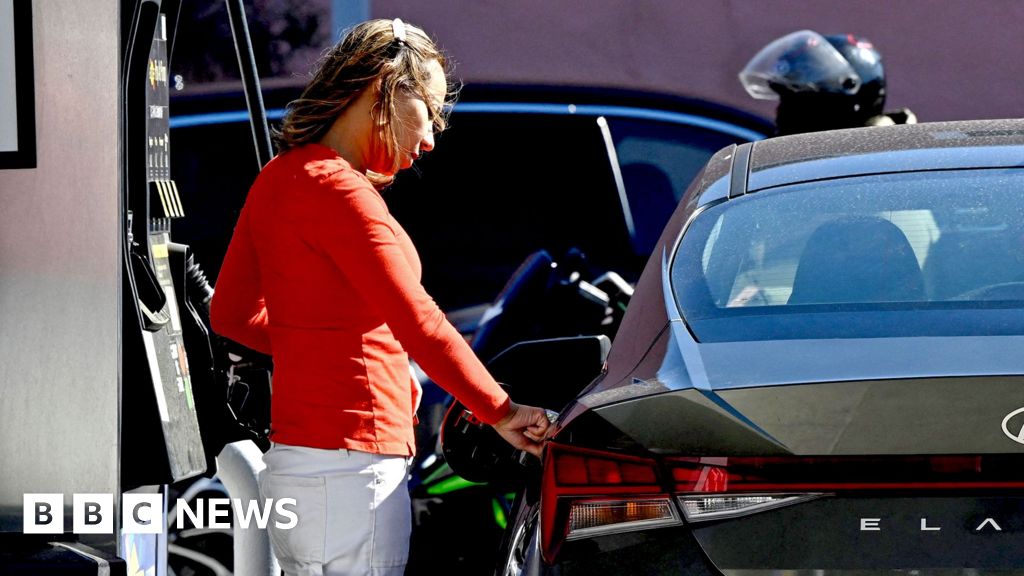
Petrol and diesel prices continue to rise as concerns grow over US-Iran ceasefireImage Credit: BBC Business (Finance)
Key Points
- •By a Senior Financial Correspondent, BBC Business
- •Initial Spike: Tensions flared two weeks ago following incidents involving commercial shipping and naval posturing, leading to a sharp increase in the price of Brent Crude, the global benchmark for oil. This surge was driven by fears of a wider conflict that could severely disrupt oil tanker movements.
- •Ceasefire Relief: Diplomatic intervention resulted in a tentative ceasefire agreement late last week. The news prompted an immediate sell-off in the oil markets, with Brent Crude falling from over $90 a barrel to the mid-$80s.
- •Lingering Doubts: The ceasefire remains precarious. Reports of disagreements over verification measures and continued hardline rhetoric from factions on both sides have prevented a more substantial and sustained drop in oil prices. The market is pricing in a significant risk that the truce could collapse.
- •Global Oil Markets: The price of crude oil is the single largest component of fuel costs. It is traded in US dollars, and its price is highly sensitive to global supply, demand, and geopolitical events. The recent ceasefire directly impacted this primary cost.
Petrol and diesel prices continue to rise as concerns grow over US-Iran ceasefire
By a Senior Financial Correspondent, BBC Business
Motorists across the UK are facing another week of escalating fuel costs, with both petrol and diesel prices climbing to multi-month highs. The continued rise comes despite a recent dip in wholesale oil prices, a lag that industry experts say is expected but offers little comfort to drivers grappling with renewed pressure on household budgets.
The market's anxiety is rooted not in the current supply chain, but in the fragile nature of a newly brokered ceasefire between the United States and Iran. The deal, aimed at de-escalating military tensions in the Strait of Hormuz, has temporarily cooled global crude prices. However, concerns over its long-term viability are creating significant uncertainty, leaving the future of prices at the pump balanced on a geopolitical knife-edge.
The Lag at the Pump
Current forecourt prices reflect the cost of fuel purchased by retailers one to two weeks ago, when geopolitical tensions were at their peak. This delay between wholesale cost changes and their appearance at the pump is a standard feature of the fuel market.
According to the latest figures, the national average for a litre of unleaded petrol has climbed to 155.6p, while diesel has reached 164.2p. This upward trend is expected to persist for several more days as retailers sell through their more expensively acquired stock.
The AA, a key motoring group, has advised that relief could be on the horizon, but only if the delicate peace in the Middle East holds.
"Based on the fuel industry's rule of thumb of a 10 to 14-day lag between wholesale cost movements and those at the pump, drivers should expect prices on forecourts to level by next weekend and then fall – providing the ceasefire holds," said Luke Bosdet, the AA's spokesman on pump prices.
Geopolitical Tremors Felt in the UK
The primary driver of the recent volatility has been the standoff in the Strait of Hormuz, the world's most important oil chokepoint. Approximately one-fifth of global petroleum liquids transit through the strait daily.
- Initial Spike: Tensions flared two weeks ago following incidents involving commercial shipping and naval posturing, leading to a sharp increase in the price of Brent Crude, the global benchmark for oil. This surge was driven by fears of a wider conflict that could severely disrupt oil tanker movements.
- Ceasefire Relief: Diplomatic intervention resulted in a tentative ceasefire agreement late last week. The news prompted an immediate sell-off in the oil markets, with Brent Crude falling from over $90 a barrel to the mid-$80s.
- Lingering Doubts: The ceasefire remains precarious. Reports of disagreements over verification measures and continued hardline rhetoric from factions on both sides have prevented a more substantial and sustained drop in oil prices. The market is pricing in a significant risk that the truce could collapse.
This uncertainty directly translates into higher risk premiums for oil shipping and insurance, costs which are ultimately passed down the supply chain.
The Journey from Crude to Car
Understanding the path from a barrel of oil to a full tank of petrol is key to grasping the current price dynamics. Several factors contribute to the final price drivers pay.
- Global Oil Markets: The price of crude oil is the single largest component of fuel costs. It is traded in US dollars, and its price is highly sensitive to global supply, demand, and geopolitical events. The recent ceasefire directly impacted this primary cost.
- The Wholesale-Retail Lag: After crude is purchased, it must be refined into petrol and diesel. This refined product is then sold on the wholesale market to retailers like supermarkets and independent petrol stations. As highlighted by the AA, retailers typically take 10 to 14 days to pass on wholesale price changes—both increases and decreases—to consumers.
- Currency Pressures: Because oil is traded in dollars, the strength of the British pound against the US dollar plays a crucial role. A weaker pound means it costs more for UK importers to buy the same amount of oil, a pressure that can offset or worsen movements in the dollar price of crude. Recently, sterling has been stable but remains vulnerable to domestic economic data.
- Taxation: Duty and VAT make up a significant portion of the pump price. Fuel duty is currently fixed at 52.95p per litre, with VAT at 20% charged on top of the product cost and the duty.
Economic Impact and Outlook
The sustained high price of fuel, particularly diesel, is a major concern for the UK economy. The logistics, haulage, and delivery sectors are heavily impacted, with increased operational costs often passed on to businesses and consumers, contributing to wider inflation.
For households, the rise adds another layer to the cost-of-living crisis, squeezing discretionary spending and impacting those in rural areas who are more dependent on private vehicles.
Looking ahead, the direction of fuel prices is almost entirely dependent on geopolitical developments in the coming days. The market is watching for any sign that could signal a definitive path forward.
A Fork in the Road: Two Potential Futures
- If the Ceasefire Holds: Should the US-Iran de-escalation prove stable, confidence will grow in the security of oil transit through the Strait of Hormuz. This would likely lead to a further, more sustained fall in crude prices. Following the retail lag, UK drivers could see prices drop by several pence per litre by the end of the month, providing welcome relief.
- If Tensions Reignite: Any violation of the ceasefire or a return to aggressive military posturing would almost certainly send crude prices soaring again, potentially past previous highs. This would immediately reverse the downward trend in wholesale costs, and drivers would see pump prices begin to climb once more, erasing any hope of near-term savings.
For now, the UK fuel market remains in a state of suspended animation. While the underlying mechanics point towards a potential price drop, that possibility is held hostage by events unfolding thousands of miles away. Drivers and businesses can only watch and wait.
Source: BBC Business (Finance)
Related Articles
Nationwide Protests Against ICE Enforcement Erupt in U.S.
Thousands are protesting ICE after the DOJ declined to investigate a fatal agent-involved shooting in Minneapolis, fueling a national movement and public anger.
Venezuela Amnesty Bill Could Free Political Prisoners
Learn about Venezuela's proposed amnesty bill to release political prisoners. The move could signal a major political shift and affect future economic sanctions
Pokémon Cancels Yasukuni Shrine Event After Backlash
The Pokémon Company has canceled an event at Tokyo's controversial Yasukuni Shrine after facing international backlash from China and South Korea.
US to Lose Measles Elimination Status: What It Means
The U.S. is poised to lose its measles elimination status due to escalating outbreaks. Learn what this downgrade means for public health and the economy.