Pokémon Card Crime Spree Fueled by Soaring Values
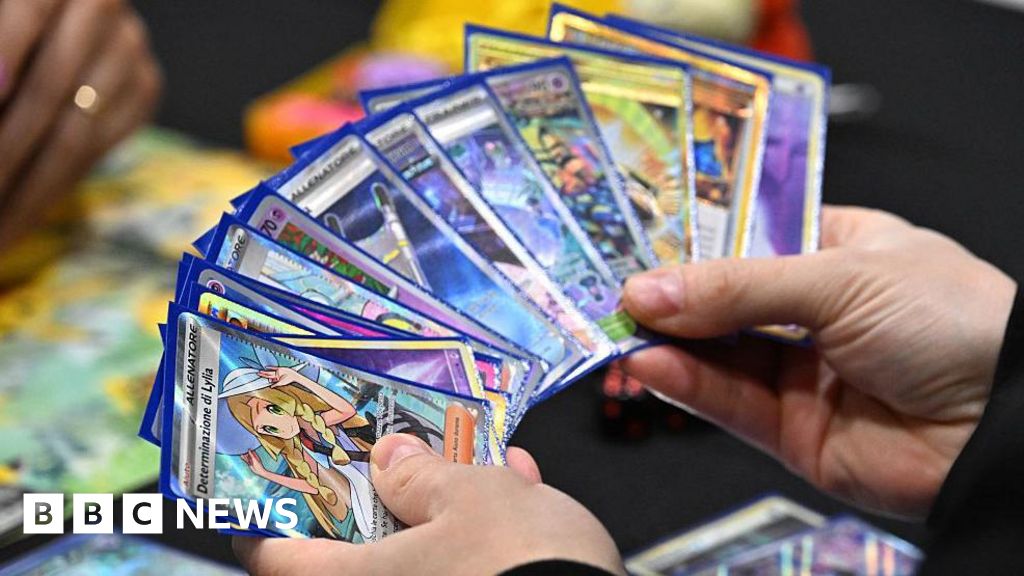
Pokémon cards: Rising values spark smash and grab crime spreeImage Credit: BBC Business (Finance)
Key Points
- •BBC Business (Finance)
- •Pandemic-Era Boom: With populations locked down during 2020 and 2021, many millennials with disposable income revisited childhood hobbies. This wave of nostalgia, combined with more time spent online, reignited interest in collecting.
- •Influencer Impact: High-profile YouTubers and celebrities, most notably Logan Paul, began showcasing their high-value collections and hosting live "box breaks" (opening vintage, sealed products) for millions of viewers. This brought mainstream attention and a flood of new, speculative money into the market.
- •The Scarcity Factor: The most sought-after cards are from the original 1999 Base Set. These are finite, out-of-print assets. As more cards are damaged, lost, or locked away in permanent collections, the available supply of mint-condition examples dwindles, pushing prices higher.
- •Professional Grading: Services like Professional Sports Authenticator (PSA) and Beckett Grading Services (BGS) have legitimised the market. By encasing cards in tamper-proof slabs and assigning a condition grade from 1 to 10, they create a standardised, investment-grade asset. A PSA 10 "Gem Mint" Charizard is now a globally recognised commodity, with a recent sale fetching over $420,000.
Pokémon cards: Rising values spark smash and grab crime spree
BBC Business (Finance)
What was once a playground pastime has morphed into a high-stakes asset class, with rare Pokémon cards commanding prices equivalent to luxury cars and fine art. But this unprecedented surge in value has cast a dark shadow over the hobbyist community, fuelling a wave of targeted "smash and grab" robberies at independent retailers, where thieves are bypassing cash for cardboard.
The alarming trend was captured in stark detail for one UK shop owner, who watched a raid on his business unfold in real time on his phone. "I actually saw them break in live as our camera system sent me an alert saying there was movement in the shop," he told the BBC. "We have an audible alarm system, a floodlight and cameras that alert to issues in the shop." Despite these measures, the thieves were in and out in minutes, their haul not of electronics or money, but of pocket-sized paper monsters.
This incident is not an isolated one. From Tokyo to Texas, specialist collectible stores are reporting a dramatic increase in burglaries. The motive is clear: the phenomenal appreciation of specific Pokémon cards has made them a lucrative, portable, and difficult-to-trace target for organised criminals.
From Playground to Portfolio: The Economics of Cardboard Gold
The transformation of Pokémon cards from a children's hobby into a speculative investment vehicle has been rapid and dramatic. The market's current volatility and high values are driven by a confluence of factors that created a perfect storm for collectors and, consequently, for criminals.
Analysts point to several key drivers behind the boom:
-
Pandemic-Era Boom: With populations locked down during 2020 and 2021, many millennials with disposable income revisited childhood hobbies. This wave of nostalgia, combined with more time spent online, reignited interest in collecting.
-
Influencer Impact: High-profile YouTubers and celebrities, most notably Logan Paul, began showcasing their high-value collections and hosting live "box breaks" (opening vintage, sealed products) for millions of viewers. This brought mainstream attention and a flood of new, speculative money into the market.
-
The Scarcity Factor: The most sought-after cards are from the original 1999 Base Set. These are finite, out-of-print assets. As more cards are damaged, lost, or locked away in permanent collections, the available supply of mint-condition examples dwindles, pushing prices higher.
-
Professional Grading: Services like Professional Sports Authenticator (PSA) and Beckett Grading Services (BGS) have legitimised the market. By encasing cards in tamper-proof slabs and assigning a condition grade from 1 to 10, they create a standardised, investment-grade asset. A PSA 10 "Gem Mint" Charizard is now a globally recognised commodity, with a recent sale fetching over $420,000.
The New Target: High-Value, Low-Security Assets
For criminals, the appeal is obvious. A single backpack can hold tens, or even hundreds, of thousands of dollars in graded cards or sealed vintage booster boxes. Unlike tracking stolen cash or large electronic goods, individual cards are small and can be easily sold through private online channels or at conventions, making them difficult for law enforcement to trace.
Store owners are now facing a threat profile more commonly associated with jewellers or art galleries, but often without the same level of institutional security.
The Criminal Modus Operandi
The recent crime spree exhibits a consistent pattern, indicating a calculated approach rather than opportunistic theft. Law enforcement agencies and store owners have noted several common characteristics.
-
Target Selection: Thieves are specifically targeting independent hobby shops known for their inventory of high-end single cards and sealed vintage products. They often bypass newer, less valuable stock.
-
Method of Entry: The "smash and grab" technique is prevalent. Burglars use brute force—smashing windows or doors—to gain entry quickly, minimising their time on-site to evade police response.
-
Speed and Precision: Raids are typically executed in under five minutes. Thieves often appear to have prior knowledge of the store's layout, heading directly for display cases containing the most valuable items.
-
Ignoring Cash: In many reported break-ins, cash registers have been left untouched. The sole focus is on the Pokémon card inventory, underscoring the specific nature of the crime.
Industry on High Alert: The Response
The wave of thefts has sent a shockwave through the collectibles community, forcing a rapid and costly adaptation from business owners who once operated on trust and shared passion.
Security and Insurance Overhauls
The response from retailers has been swift and multifaceted, representing a significant new cost of doing business in the collectibles space.
-
Enhanced Physical Security: Many stores are now investing in reinforced glass, security shutters, and commercial-grade safes to store their most valuable inventory overnight. The shop owner who witnessed his break-in live is just one of many now reassessing their security infrastructure.
-
Insurance Hurdles: Securing adequate insurance has become a major challenge. Premiums are rising, and many insurers are hesitant to cover the full market value of such volatile and portable assets. Some store owners report being denied coverage for collectibles altogether, forcing them to self-insure the risk.
-
Community Vigilance: The tight-knit collector community has become a crucial line of defence. When a theft occurs, lists and photos of stolen graded cards (identifiable by their unique certification numbers) are circulated widely online. This creates a "digital neighbourhood watch," making it harder for thieves to offload their stolen goods on reputable platforms.
The Future: A Hobby at a Crossroads
The intersection of high finance and nostalgia has created a dynamic but perilous market. The immediate future for the Pokémon TCG industry involves navigating this new reality.
Law enforcement is beginning to take these crimes more seriously, viewing them not as simple burglaries but as targeted raids on high-value assets. However, the cross-jurisdictional and often anonymous nature of online sales presents a significant challenge for investigation and recovery.
For the hobby itself, the implications are profound. The rising crime rate and soaring security costs threaten the viability of the very brick-and-mortar stores that foster the community. Furthermore, the speculative frenzy risks alienating the next generation of young players and collectors, pricing them out of a hobby that was always meant to be accessible.
The industry now watches and waits, hoping the market finds a stable equilibrium before the bubble bursts—not just financially, but in a shower of shattered glass at another local game store.
Source: BBC Business (Finance)
Related Articles
Nationwide Protests Against ICE Enforcement Erupt in U.S.
Thousands are protesting ICE after the DOJ declined to investigate a fatal agent-involved shooting in Minneapolis, fueling a national movement and public anger.
Venezuela Amnesty Bill Could Free Political Prisoners
Learn about Venezuela's proposed amnesty bill to release political prisoners. The move could signal a major political shift and affect future economic sanctions
Pokémon Cancels Yasukuni Shrine Event After Backlash
The Pokémon Company has canceled an event at Tokyo's controversial Yasukuni Shrine after facing international backlash from China and South Korea.
US to Lose Measles Elimination Status: What It Means
The U.S. is poised to lose its measles elimination status due to escalating outbreaks. Learn what this downgrade means for public health and the economy.