Prince Harry Defends NATO Troops After Trump Afghanistan Rem
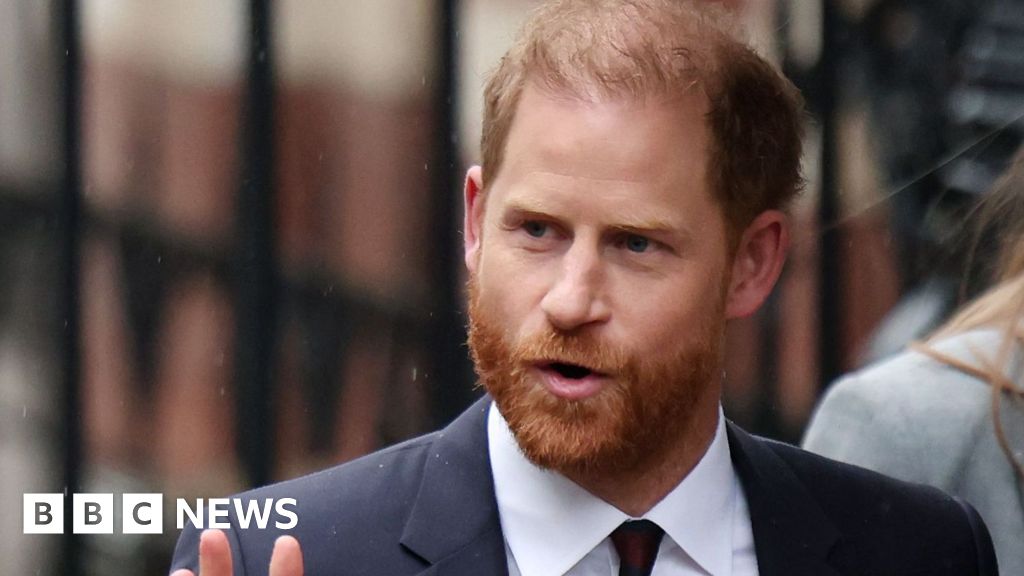
Prince Harry says sacrifices by Nato troops in Afghanistan deserve 'respect'Image Credit: BBC News
Key Points
- •The Claim: Trump asserted that the U.S. "never needed" its allies and that they "stayed a little back, a little off the front lines."
- •The Doubt: He further questioned the reliability of the alliance, stating he was "not sure" NATO would support the U.S. if called upon in the future.
- •Personal Stakes: "I served there. I made lifelong friends there. And I lost friends there," the Prince stated.
- •Historical Context: He reminded the public that NATO invoked Article 5—its collective defense clause—for the first and only time in history following the 9/11 attacks on the U.S.
- •The Human Cost: Harry highlighted the 457 UK service personnel killed, noting that "thousands of lives were changed forever" and families continue to carry the cost of the conflict.
Prince Harry Joins Global Condemnation of Trump’s NATO Remarks
The geopolitical landscape was jolted this week as Prince Harry, the Duke of Sussex, issued a rare and pointed defense of NATO service members following controversial remarks by U.S. President Donald Trump. The Duke, a veteran of two tours in Afghanistan, called for the sacrifices of allied troops to be spoken of "truthfully and with respect," marking a significant intervention in a growing diplomatic rift between Washington and its closest security partners.
Why it matters
The friction strikes at the heart of the "Special Relationship" and the foundational principles of the North Atlantic Treaty Organization. By questioning the contribution of allies in the 20-year Afghan conflict, the U.S. President has triggered a unified backlash from heads of state, military veterans, and international diplomats, potentially straining future military cooperation.
The catalyst: Trump’s "front line" claims
In a Fox News interview on Thursday, President Trump minimized the role of international allies during the war in Afghanistan.
- The Claim: Trump asserted that the U.S. "never needed" its allies and that they "stayed a little back, a little off the front lines."
- The Doubt: He further questioned the reliability of the alliance, stating he was "not sure" NATO would support the U.S. if called upon in the future.
Prince Harry’s rebuttal
The Duke of Sussex, who served ten weeks in the volatile Helmand province, pushed back against the narrative that allies were peripheral to the mission.
- Personal Stakes: "I served there. I made lifelong friends there. And I lost friends there," the Prince stated.
- Historical Context: He reminded the public that NATO invoked Article 5—its collective defense clause—for the first and only time in history following the 9/11 attacks on the U.S.
- The Human Cost: Harry highlighted the 457 UK service personnel killed, noting that "thousands of lives were changed forever" and families continue to carry the cost of the conflict.
A "frankly appalling" insult
The British government’s reaction was swift and unusually blunt. Prime Minister Sir Keir Starmer led the political condemnation, signaling a deep dissatisfaction within Downing Street.
The Prime Minister’s stance:
- The Critique: Starmer described the President's remarks as "insulting and frankly appalling."
- The Expectation: He suggested that had he "misspoken in that way," he would "certainly apologise."
- The Recognition: The PM emphasized that the UK suffered the second-highest number of fatalities in the conflict (457) behind the U.S. (2,461).
Global allies push back
The discontent was not limited to London. Senior officials from across the NATO alliance issued statements defending their military records.
- Poland: Foreign Minister Radoslaw Sikorski, himself a veteran of the Afghan front lines among 33,000 Polish troops, stated: "No one has the right to mock the service of our soldiers."
- Canada: Minister of National Defence David J. McGuinty noted that 158 Canadian troops "paid the ultimate price" while leading efforts in the dangerous Kandahar Province.
- NATO Leadership: Jaap de Hoop Scheffer, former NATO Secretary General, called for a "sincere apology," stating no president should have the liberty to "belittle the legacy" of those who did not return.
The reality of the Afghan conflict
Data from the two-decade war contradicts the notion that allied troops avoided the front lines.
- Total Casualties: More than 3,500 coalition soldiers died by the time of the 2021 withdrawal; approximately one-third of these were non-U.S. personnel.
- Helmand Province: The majority of British fatalities occurred in Helmand, widely recognized as the scene of the heaviest and most sustained fighting of the entire war.
- Lasting Injuries: Veterans like Cpl Andy Reid, who lost three limbs to an IED, noted that allied and U.S. troops worked side-by-side in constant physical and mental peril.
The strategic context: Article 5
The invocation of Article 5 in 2001 remains the defining moment of the alliance.
- The Obligation: Every allied nation was legally and morally obliged to stand with the U.S.
- The Contribution: Beyond personnel, allies provided critical intelligence, logistics, and military equipment for a mission that was initiated in response to an attack on American soil.
The bottom line
The Duke of Sussex’s statement serves as a bridge between the military community and the diplomatic sphere. By framing the issue through the lens of "truth and respect," he has amplified a sentiment shared by veterans who feel their service is being used as a political bargaining chip.
What to watch next
- Diplomatic Fallout: Whether the White House issues a clarification or apology to quell the anger of its G7 and NATO partners.
- NATO Summitry: How these comments will affect the atmosphere of upcoming security summits, where "burden sharing" is a perennial topic of debate.
- Veteran Morale: The potential impact on recruitment and retention within allied militaries if the perception grows that their sacrifices are undervalued by the alliance's leading power.
The dispute highlights a growing tension: While the U.S. continues to push for higher defense spending from its allies, those same allies are now demanding a baseline of respect for the blood already spilled in support of American security interests.
Source: BBC News
Related Articles
Nationwide Protests Against ICE Enforcement Erupt in U.S.
Thousands are protesting ICE after the DOJ declined to investigate a fatal agent-involved shooting in Minneapolis, fueling a national movement and public anger.
Venezuela Amnesty Bill Could Free Political Prisoners
Learn about Venezuela's proposed amnesty bill to release political prisoners. The move could signal a major political shift and affect future economic sanctions
Pokémon Cancels Yasukuni Shrine Event After Backlash
The Pokémon Company has canceled an event at Tokyo's controversial Yasukuni Shrine after facing international backlash from China and South Korea.
US to Lose Measles Elimination Status: What It Means
The U.S. is poised to lose its measles elimination status due to escalating outbreaks. Learn what this downgrade means for public health and the economy.