Private Mental Health Hospital Failings Led to Women's Death
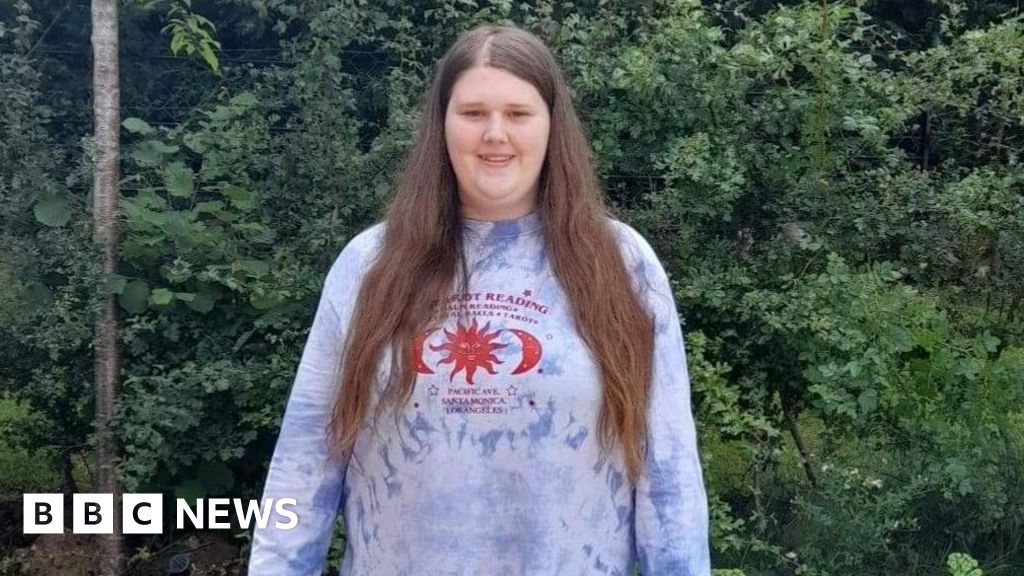
Private mental health hospital 'failed women who died'Image Credit: BBC News
Key Points
- •LONDON – A landmark inquest has concluded that "gross failures" and a "pattern of neglect" at a private mental health hospital led to the preventable deaths of at least two vulnerable young women, placing intense scrutiny on one of the UK's largest independent healthcare providers and the safety of patients in its care.
- •The Case of Lauren Bridges: The court heard that Ms. Bridges, who had a diagnosis of Emotionally Unstable Personality Disorder (EUPD) and a history of epilepsy, died after suffering a fatal seizure. The evidence presented a harrowing picture of her final hours.
- •Dismissed Cries for Help: On the day of her death, Ms. Bridges made multiple attempts to seek urgent medical attention. She was known for frequently calling ambulances or asking to go to A&E as a coping mechanism for her distress.
- •A "Prank Call": When she called for an ambulance on the day she died, a staff member at Oakleaf Manor intercepted the call and informed the emergency services that it was "a prank call," leading to the ambulance being cancelled.
- •Ignored Seizures: Hospital records, reviewed by the inquest, starkly noted that Ms. Bridges had suffered three separate seizures that same day. However, the coroner heard that no staff member had asked her why she was seeking help or investigated her deteriorating physical condition.
Private mental health hospital 'failed women who died'
LONDON – A landmark inquest has concluded that "gross failures" and a "pattern of neglect" at a private mental health hospital led to the preventable deaths of at least two vulnerable young women, placing intense scrutiny on one of the UK's largest independent healthcare providers and the safety of patients in its care.
Senior Coroner Penelope Ainsworth found that staff at Oakleaf Manor, a facility operated by the multi-billion-pound Elysian Healthcare group, repeatedly missed opportunities to save the lives of Lauren Bridges, 20, and Deseree Fitzpatrick, 30, who died in separate incidents at the hospital in 2022. The verdict has sent shockwaves through the private healthcare sector, which receives billions in public funds from the National Health Service (NHS) to care for complex patients.
Why it matters
The coroner's findings highlight systemic issues within a for-profit system entrusted with the care of society's most vulnerable. The inquest revealed a culture where patient concerns were dismissed and basic safety protocols were ignored, raising urgent questions about oversight, accountability, and the financial incentives of private providers contracted by the NHS.
The Inquest's Damning Findings
The two-week-long inquest held at St Pancras Coroner's Court detailed a series of catastrophic failings in the care provided to both women.
The Case of Lauren Bridges: The court heard that Ms. Bridges, who had a diagnosis of Emotionally Unstable Personality Disorder (EUPD) and a history of epilepsy, died after suffering a fatal seizure. The evidence presented a harrowing picture of her final hours.
- Dismissed Cries for Help: On the day of her death, Ms. Bridges made multiple attempts to seek urgent medical attention. She was known for frequently calling ambulances or asking to go to A&E as a coping mechanism for her distress.
- A "Prank Call": When she called for an ambulance on the day she died, a staff member at Oakleaf Manor intercepted the call and informed the emergency services that it was "a prank call," leading to the ambulance being cancelled.
- Ignored Seizures: Hospital records, reviewed by the inquest, starkly noted that Ms. Bridges had suffered three separate seizures that same day. However, the coroner heard that no staff member had asked her why she was seeking help or investigated her deteriorating physical condition.
- Coroner's Conclusion: Coroner Ainsworth concluded that the failure to "listen to the patient" and "conduct basic medical checks" amounted to neglect and directly contributed to her death.
The Case of Deseree Fitzpatrick: Ms. Fitzpatrick, who was sectioned under the Mental Health Act, died by self-inflicted ligature just three months prior to Ms. Bridges. Her case revealed critical failures in risk assessment and observation.
- Inadequate Observations: Despite being identified as a high-risk patient, staff responsible for her 15-minute observations failed to properly check on her. CCTV footage shown to the court revealed checks were often cursory glances lasting only one or two seconds.
- Systemic Failures: The inquest found that the hospital's policies for managing ligature risk were "fundamentally flawed" and that staff training was insufficient. The coroner noted a "clear disconnect" between the documented risk level and the actual care provided.
A History of Warnings
The failings identified in the inquest were not isolated incidents. The Care Quality Commission (CQC), the independent regulator of health and social care in England, had previously raised significant concerns about Oakleaf Manor and its parent company, Elysian Healthcare.
- Previous CQC Reports: A 2021 CQC inspection had rated the hospital "Requires Improvement," specifically highlighting concerns around patient safety, staffing levels, and the management of medical emergencies.
- Unheeded Warnings: The report noted that "staff did not always assess and manage risks to patients well" and that "governance systems were not always effective in identifying and mitigating risks." The coroner stated that the deaths of Ms. Bridges and Ms. Fitzpatrick demonstrated these warnings had not been acted upon.
- Corporate Responsibility: Elysian Healthcare operates over 80 facilities across the UK and holds NHS contracts worth an estimated £400 million annually. The inquest's findings place the group's corporate governance and clinical oversight under a microscope.
What They're Saying
The verdict has prompted strong reactions from the families, the healthcare provider, and NHS officials.
- The Families' Lawyer: In a statement, the solicitor representing both families said: "This is not about one or two rogue employees. The coroner's verdict confirms this was a systemic failure of care from top to bottom. These young women were failed by the very people who were paid to protect them. The families now demand not just an apology, but meaningful change and corporate accountability."
- Elysian Healthcare: A spokesperson for the group stated: "We wish to extend our deepest sympathies to the families of Lauren Bridges and Deseree Fitzpatrick. We unreservedly accept the coroner's findings and are truly sorry for the unacceptable failings in care. We have since implemented a robust action plan to address the issues raised and are committed to ensuring this can never happen again."
- NHS England: An NHS England spokesperson commented: "The safety of patients is our highest priority, whether they are cared for in an NHS or independent sector facility. We are working closely with the CQC and our partners at Elysian Healthcare to ensure all necessary improvements are made and sustained."
The Bottom Line
The inquest into the deaths at Oakleaf Manor is a watershed moment for the private mental health sector. The coroner’s verdict of neglect goes beyond individual error, pointing to a corporate culture that failed in its most basic duty of care.
The immediate implications are significant. The CQC is expected to conduct an urgent, unannounced inspection of the facility, with the possibility of further enforcement action, including potential closure. Legal experts suggest the findings could lay the groundwork for a corporate manslaughter investigation. For the NHS, the case forces a difficult re-evaluation of its reliance on and oversight of private providers, which play an ever-larger role in the delivery of critical health services. The central question remains: how to ensure patient safety is never secondary to profit.
Source: BBC News
Related Articles
Nationwide Protests Against ICE Enforcement Erupt in U.S.
Thousands are protesting ICE after the DOJ declined to investigate a fatal agent-involved shooting in Minneapolis, fueling a national movement and public anger.
Venezuela Amnesty Bill Could Free Political Prisoners
Learn about Venezuela's proposed amnesty bill to release political prisoners. The move could signal a major political shift and affect future economic sanctions
Pokémon Cancels Yasukuni Shrine Event After Backlash
The Pokémon Company has canceled an event at Tokyo's controversial Yasukuni Shrine after facing international backlash from China and South Korea.
US to Lose Measles Elimination Status: What It Means
The U.S. is poised to lose its measles elimination status due to escalating outbreaks. Learn what this downgrade means for public health and the economy.