Queen Elizabeth II Coin Portrait Criticised in Australia
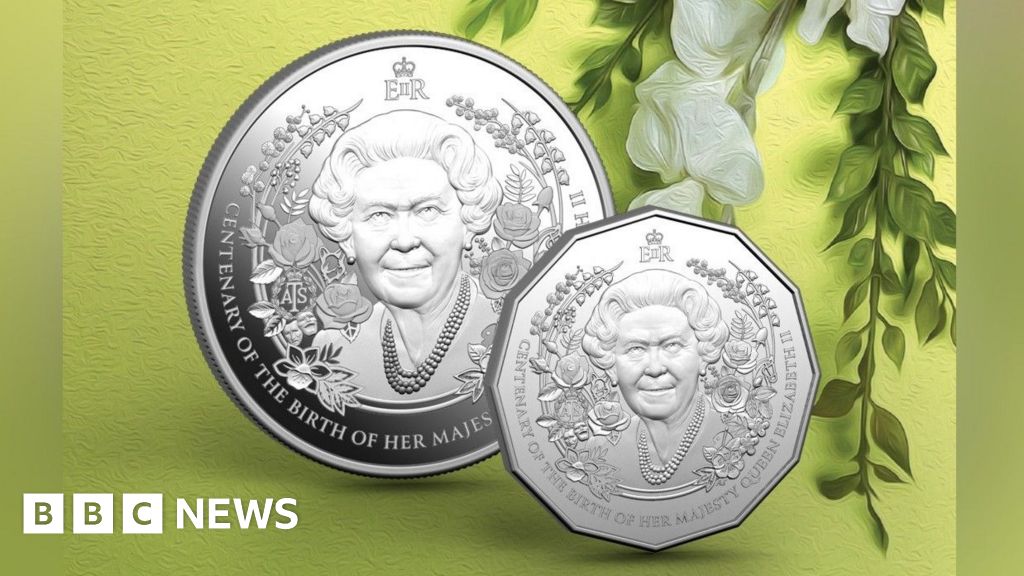
Queen Elizabeth II: Coin portrait of late monarch criticised in AustraliaImage Credit: BBC News
Key Points
- •CANBERRA – A tribute intended to honour the historic 70-year reign of Queen Elizabeth II has instead ignited a wave of public criticism in Australia, placing the Royal Australian Mint on the defensive over the final coin portrait of the late monarch. The design, meant as a poignant memorial, has been met with sharp disapproval online, raising questions about artistic interpretation, public expectation, and the process of immortalising a sovereign in metal.
- •Digital vs. Physical: The Mint's core argument is that the depth, texture, and play of light on a minted coin create a vastly different effect than a flat, digital render. Details that appear harsh in a graphic can soften when struck in gold or silver.
- •Artistic Intent: The portrait was designed by renowned UK coin designer Jody Clark, who also created the fifth and final definitive effigy of the Queen used across the Commonwealth. The memorial portrait was intended to be a realistic and respectful depiction of the monarch in her final years, without the regalia of a crown.
- •Designer: Jody Clark is a celebrated engraver for The Royal Mint in the UK. His 2015 portrait of the Queen was widely praised for its realism and is the image most people have seen on recent Commonwealth coinage.
- •Key Features: The memorial portrait is unique in that it depicts the Queen without a crown or tiara. It includes the inscription "ELIZABETH II 1952-2022," explicitly marking it as a posthumous tribute.
Queen Elizabeth II: Coin Portrait of Late Monarch Criticised in Australia
CANBERRA – A tribute intended to honour the historic 70-year reign of Queen Elizabeth II has instead ignited a wave of public criticism in Australia, placing the Royal Australian Mint on the defensive over the final coin portrait of the late monarch. The design, meant as a poignant memorial, has been met with sharp disapproval online, raising questions about artistic interpretation, public expectation, and the process of immortalising a sovereign in metal.
The controversy erupted following the digital release of the "memorial obverse" design, which will feature on a range of 2023 collectible and investment coins. The portrait, which depicts the Queen in her later years, quickly became a focal point for debate across social media platforms.
Public Discontent Greets Memorial Design
The reaction from many Australians was immediate and overwhelmingly negative. Digital forums and social media commentary were filled with expressions of disappointment, with many finding the portrayal unflattering and not representative of the monarch they remembered.
One widely circulated comment captured the sentiment of many: "That's got to be the most unpleasant portrait on a coin." This view was echoed by hundreds of others who felt the design lacked the grace and dignity associated with Queen Elizabeth II's long public life. Critics described the portrait as "stern," "severe," and "unrecognisable," a stark contrast to the familiar effigies that have graced Australian currency for decades.
Mint Defends Artistic and Technical Process
Facing a significant public relations challenge, the Royal Australian Mint issued a statement defending the portrait and the intricate process of coin creation. The Mint stressed that a two-dimensional digital image fails to convey the final, nuanced product.
In its official response, the Mint noted, "Our coin images don't always capture the full beauty of a design once it's etched in metal." This statement points to a fundamental challenge in numismatics: the translation of an artist's drawing into a three-dimensional, metallic relief.
-
Digital vs. Physical: The Mint's core argument is that the depth, texture, and play of light on a minted coin create a vastly different effect than a flat, digital render. Details that appear harsh in a graphic can soften when struck in gold or silver.
-
Artistic Intent: The portrait was designed by renowned UK coin designer Jody Clark, who also created the fifth and final definitive effigy of the Queen used across the Commonwealth. The memorial portrait was intended to be a realistic and respectful depiction of the monarch in her final years, without the regalia of a crown.
A Closer Look at the Jody Clark Memorial Obverse
The controversial design is technically known as the Queen Elizabeth II Memorial Obverse. Understanding its specific features provides context for both the artist's intent and the public's reaction.
-
Designer: Jody Clark is a celebrated engraver for The Royal Mint in the UK. His 2015 portrait of the Queen was widely praised for its realism and is the image most people have seen on recent Commonwealth coinage.
-
Key Features: The memorial portrait is unique in that it depicts the Queen without a crown or tiara. It includes the inscription "ELIZABETH II 1952-2022," explicitly marking it as a posthumous tribute.
-
Symbolism: The uncrowned depiction is a deliberate choice, symbolising the conclusion of her reign. The portrait maintains the right-facing orientation of all her previous effigies, adhering to a numismatic tradition. The forthcoming coins of King Charles III will, by contrast, face left.
The Weight of History: A Final Numismatic Chapter
The intensity of the reaction is amplified by the coin's historical significance. This is not just another coin; it represents the final chapter of the second Elizabethan era in Australian numismatics. For 70 years, the Queen's effigy has been a constant on the nation's currency, a symbol of stability and tradition.
This memorial coin marks the definitive end of that era and serves as the bridge to the new Carolean age of coinage, with the first Australian coins featuring King Charles III expected to enter circulation in 2024. The transition makes the final portrait of his predecessor all the more significant for historians and collectors.
Market Impact and the Collector's Gaze
From a financial and collectible standpoint, the controversy introduces a fascinating dynamic. The numismatic market is often influenced by factors beyond simple aesthetics, including rarity, historical context, and public narrative.
-
Controversy as a Catalyst: In some cases, controversial or "error" coins become highly sought-after items. The narrative surrounding this portrait, whether positive or negative, will now be part of its history, potentially increasing its interest among a subset of collectors.
-
Aesthetic Rejection: Conversely, a design widely perceived as unappealing could suffer in the secondary market. Collectors who purchase coins for their beauty may bypass this series in favour of more traditionally rendered portraits.
-
The 'Wait and See' Approach: Most seasoned numismatists and dealers are reserving final judgment until the physical coins are in hand. The true test of the design's reception will be how it is perceived once the "beauty of the design once it's etched in metal" can be properly assessed.
The Path Forward: From Digital Image to Metal Reality
The Royal Australian Mint is proceeding with the production of the coins featuring the memorial obverse. The first of these collectible issues are slated for release in the coming months, at which point the public and the market will deliver their definitive verdict.
The episode serves as a powerful case study in the modern age of currency design, where digital previews can create powerful first impressions that are difficult to overcome. The Mint's challenge now is to convince a sceptical public that the final, physical tribute is a fitting and beautiful honour to a monarch who was a cornerstone of the nation's identity for seven decades. The world of coin collecting will be watching closely to see if this controversial chapter concludes with rejection or redemption.
Source: BBC News
Related Articles
Nationwide Protests Against ICE Enforcement Erupt in U.S.
Thousands are protesting ICE after the DOJ declined to investigate a fatal agent-involved shooting in Minneapolis, fueling a national movement and public anger.
Venezuela Amnesty Bill Could Free Political Prisoners
Learn about Venezuela's proposed amnesty bill to release political prisoners. The move could signal a major political shift and affect future economic sanctions
Pokémon Cancels Yasukuni Shrine Event After Backlash
The Pokémon Company has canceled an event at Tokyo's controversial Yasukuni Shrine after facing international backlash from China and South Korea.
US to Lose Measles Elimination Status: What It Means
The U.S. is poised to lose its measles elimination status due to escalating outbreaks. Learn what this downgrade means for public health and the economy.