Nigel Farage Unveils Dan Thomas as Reform UK Wales Leader
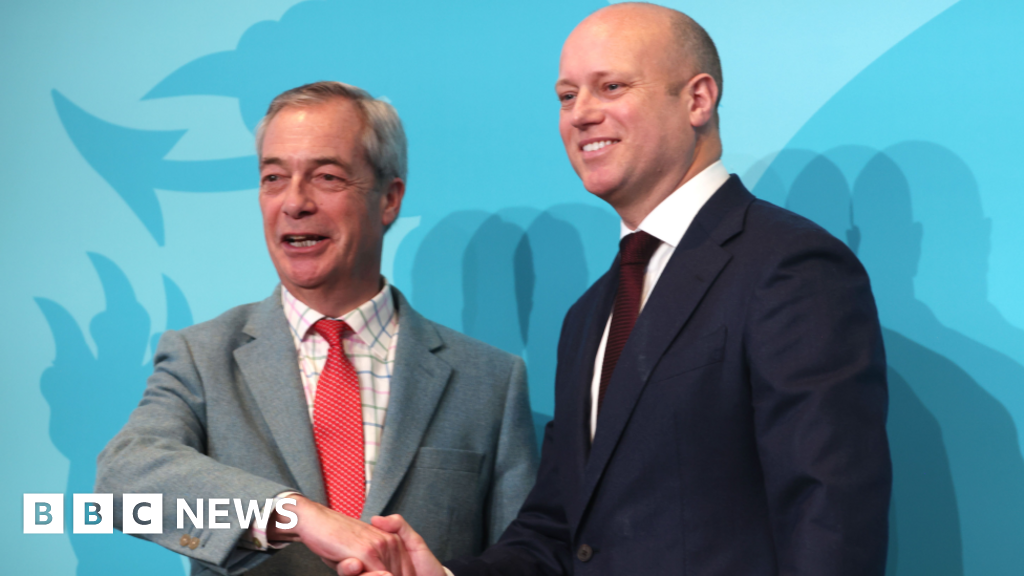
Reform Welsh leader Dan Thomas unveiled by Nigel FarageImage Credit: BBC Politics
Key Points
- •CARDIFF – Nigel Farage, the honorary president of Reform UK, today unveiled former businessman Dan Thomas as the party's new leader in Wales, a high-profile move designed to energize its base ahead of crucial upcoming elections. The endorsement, however, immediately frames the central challenge for the populist party: balancing the immense draw of its national figurehead with the need for a distinctly Welsh political identity.
- •The Farage Promise: Mr. Farage was unequivocal in his support, stating that Mr. Thomas would have the freedom to tailor the party's message. This is designed to counter accusations that Reform is an England-centric party with little interest in devolved matters.
- •Voter Expectations: The key unknown is what Reform's target voters in Wales actually want. Are they drawn to Mr. Farage and the party's national platform on immigration, tax, and anti-net zero policies? Or are they seeking a new voice that will specifically hold the Welsh Government to account on devolved issues like health, education, and transport?
- •The Political Precedent: Other UK-wide parties have struggled with this balance. Welsh Labour has successfully cultivated a distinct brand from the UK party, whereas the Welsh Conservatives are often perceived as being directed from London. How Reform navigates this will be crucial to its long-term viability.
- •Taxation and Regulation: Expect a major push for lower taxes to stimulate private sector growth. This could include calls for diverging from UK income tax rates if powers were ever devolved, and a sharp focus on slashing business rates and regulations that are seen as stifling enterprise, particularly for small and medium-sized enterprises (SMEs).
Reform Welsh leader Dan Thomas unveiled by Nigel Farage
CARDIFF – Nigel Farage, the honorary president of Reform UK, today unveiled former businessman Dan Thomas as the party's new leader in Wales, a high-profile move designed to energize its base ahead of crucial upcoming elections. The endorsement, however, immediately frames the central challenge for the populist party: balancing the immense draw of its national figurehead with the need for a distinctly Welsh political identity.
The unveiling in a Cardiff hotel was classic Farage theatre, intended to project strength and momentum. Yet, for investors and business leaders watching Wales, the key question is not about personality but policy. Will Mr. Thomas be granted the autonomy to craft a pro-growth economic agenda tailored to Wales's unique challenges, or will the party's Welsh strategy remain subordinate to its UK-wide populist platform?
The Farage Factor: A High-Profile Endorsement
Mr. Farage introduced Dan Thomas as a "patriotic, common-sense businessman" tired of the political establishment in both Westminster and Cardiff Bay. He stressed that Mr. Thomas understands the frustrations of voters who feel left behind by the mainstream parties.
The core of Mr. Farage's promise was one of freedom. He insisted that Mr. Thomas would have "full autonomy" to lead the party in Wales, focusing on issues specific to the nation—from the state of the Welsh NHS to the impact of devolution on the economy.
This promise of autonomy is critical. The success of any political party in Wales often hinges on its ability to demonstrate a genuine understanding of and commitment to Welsh issues, distinct from the political discourse in England.
Autonomy vs. Central Command: The Core Dilemma
The central tension for Reform UK in Wales was immediately apparent. While Mr. Thomas is the new face, Mr. Farage remains the main attraction. This raises fundamental questions about the party's structure and appeal.
- The Farage Promise: Mr. Farage was unequivocal in his support, stating that Mr. Thomas would have the freedom to tailor the party's message. This is designed to counter accusations that Reform is an England-centric party with little interest in devolved matters.
- Voter Expectations: The key unknown is what Reform's target voters in Wales actually want. Are they drawn to Mr. Farage and the party's national platform on immigration, tax, and anti-net zero policies? Or are they seeking a new voice that will specifically hold the Welsh Government to account on devolved issues like health, education, and transport?
- The Political Precedent: Other UK-wide parties have struggled with this balance. Welsh Labour has successfully cultivated a distinct brand from the UK party, whereas the Welsh Conservatives are often perceived as being directed from London. How Reform navigates this will be crucial to its long-term viability.
Economic Policy at the Forefront
As a senior financial correspondent, the most significant aspect of this development is the potential shift in the Welsh economic debate. Mr. Thomas, with his business background, is expected to pivot Reform's messaging towards a strong, free-market, and fiscally conservative agenda for Wales.
This would create a new dynamic in a nation where the public sector is the dominant employer and economic interventionism is the default position of the ruling Welsh Labour government.
Potential Policy Pillars for Reform in Wales
The party's platform will likely be built around several key economic themes aimed at challenging the Cardiff Bay consensus.
- Taxation and Regulation: Expect a major push for lower taxes to stimulate private sector growth. This could include calls for diverging from UK income tax rates if powers were ever devolved, and a sharp focus on slashing business rates and regulations that are seen as stifling enterprise, particularly for small and medium-sized enterprises (SMEs).
- Public Spending Scrutiny: Reform will almost certainly position itself as the primary auditor of Welsh Government spending. High-profile projects, public sector inefficiencies, and the funding of organisations deemed "unnecessary" will be prime targets. This resonates with a fiscally conservative message of "stopping the waste."
- Energy and Infrastructure: The party's national skepticism towards Net Zero policies will likely be adapted for Wales. This could mean questioning the cost and efficiency of wind and solar projects, while potentially advocating for other energy sources. On infrastructure, expect a focus on projects with clear economic return, like improvements to the M4 motorway, rather than what they might term "vanity projects."
- Post-Brexit Wales: Reform will argue that Wales has not capitalized on Brexit. They will likely propose policies to boost Welsh farming and fishing by diverging from retained EU rules and to establish free-trade zones or "investment ports" in places like Holyhead and Milford Haven to attract global capital.
Navigating a Crowded Political Arena
Mr. Thomas faces the formidable task of carving out a space in the crowded Welsh political landscape. The Senedd (Welsh Parliament) operates under a proportional representation system, which offers opportunities for smaller parties, but the competition for right-of-centre and anti-establishment votes is fierce.
- Key Competitors: Reform UK's primary target will be disaffected Conservative voters who feel the party has become too centrist and is ineffective at holding the Welsh Government to account. They will also aim to attract traditional Labour voters in the post-industrial valleys and North Wales who are frustrated with the status quo and drawn to a patriotic, anti-establishment message. Plaid Cymru's pro-independence stance provides a clear point of differentiation.
Who is Dan Thomas?
To succeed, Mr. Thomas must build a personal profile independent of Mr. Farage. Little was known about him publicly before the announcement. He is understood to be a founder of a successful logistics and supply chain business based in South Wales, giving him credibility when discussing the practical challenges facing Welsh businesses.
His narrative as an outsider who has created jobs, rather than a career politician, is central to the Reform UK brand and will be his primary political asset.
What's Next? The Road to the Senedd
The immediate test for Mr. Thomas will be the upcoming UK General Election. While winning a seat in Wales will be an uphill battle, the party's performance will be a crucial indicator of its support. A strong showing would provide the momentum needed to build a credible campaign for the 2026 Senedd election.
The path ahead involves several key steps:
- Building a Profile: Mr. Thomas must become a recognised political figure across Wales.
- Recruiting Candidates: Finding credible candidates to stand for both Westminster and the Senedd is a major logistical challenge.
- Crafting a Welsh Manifesto: The promised autonomy will be tested here. A detailed, costed manifesto with genuinely Welsh policies is essential for credibility.
Ultimately, the success of Reform UK in Wales hinges on resolving its central paradox. It must leverage the star power of Nigel Farage to gain attention, while simultaneously proving that its new Welsh leader, Dan Thomas, is his own man with a unique vision for the nation's economy and future. The coming months will reveal whether he can successfully walk that tightrope.
Source: BBC Politics
Related Articles
Nationwide Protests Against ICE Enforcement Erupt in U.S.
Thousands are protesting ICE after the DOJ declined to investigate a fatal agent-involved shooting in Minneapolis, fueling a national movement and public anger.
Venezuela Amnesty Bill Could Free Political Prisoners
Learn about Venezuela's proposed amnesty bill to release political prisoners. The move could signal a major political shift and affect future economic sanctions
Pokémon Cancels Yasukuni Shrine Event After Backlash
The Pokémon Company has canceled an event at Tokyo's controversial Yasukuni Shrine after facing international backlash from China and South Korea.
US to Lose Measles Elimination Status: What It Means
The U.S. is poised to lose its measles elimination status due to escalating outbreaks. Learn what this downgrade means for public health and the economy.