Royal Mail First Class Delivery Performance Hits Record Low
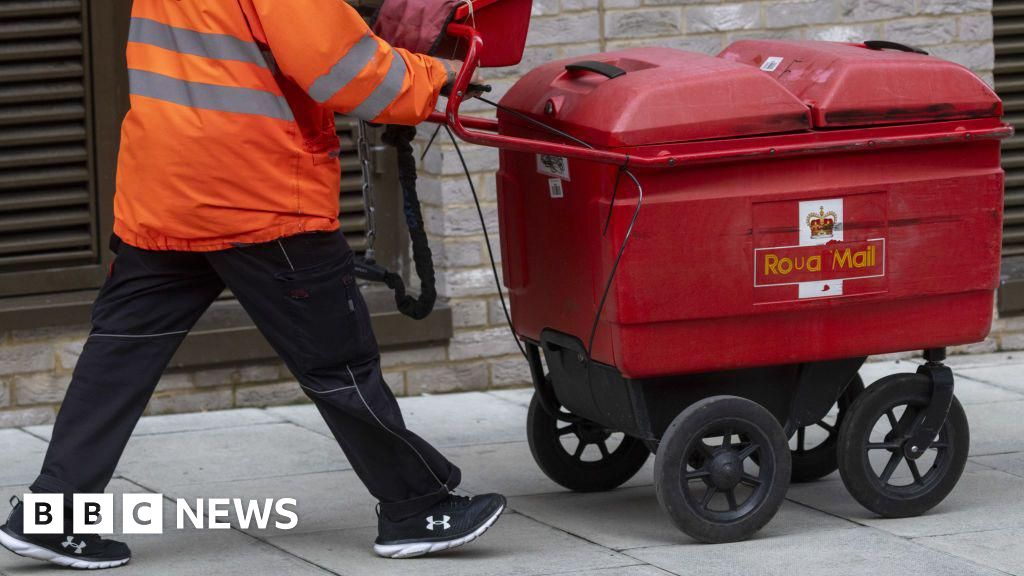
Royal Mail delivering just three-quarters of first class mail on timeImage Credit: BBC Business (Finance)
Key Points
- •London – Royal Mail is facing a crisis of confidence and intense regulatory scrutiny after official figures revealed the company is delivering only three-quarters of its first-class post on schedule. The performance failure, which falls drastically short of its legal obligations, has ignited a fierce debate over the company's operational priorities and the future of the UK's postal service.
- •Target Miss: Royal Mail's target, set by Ofcom, is to deliver 93% of first-class mail within one working day of collection.
- •Actual Performance: In the past year, the company achieved just 75%. This is the worst figure recorded since records began in their current form.
- •Second Class Woes: The service also missed its target for second-class mail, which requires 98.5% to be delivered within three working days. Its actual performance was 90.7%.
- •Financial Stakes: Ofcom has the power to impose fines of up to 10% of Royal Mail's annual turnover. The regulator has already fined the company £5.6 million for a similar, though less severe, failure in the 2022-23 year.
Royal Mail delivering just three-quarters of first class mail on time
London – Royal Mail is facing a crisis of confidence and intense regulatory scrutiny after official figures revealed the company is delivering only three-quarters of its first-class post on schedule. The performance failure, which falls drastically short of its legal obligations, has ignited a fierce debate over the company's operational priorities and the future of the UK's postal service.
The data places the iconic British institution on a direct collision course with the communications regulator, Ofcom, which has warned of a potential "significant financial penalty" for the service collapse.
Why it matters
This is more than a story of late letters. It represents a critical stress test for Royal Mail's business model in the post-privatisation era.
The company, now part of International Distributions Services (IDS), is caught between a legally mandated service obligation designed for a different century and the modern economic reality of booming, profitable parcel deliveries. Its inability to meet fundamental targets raises questions about its operational capacity, management strategy, and whether the universal service is still viable in its current form.
By the numbers: A stark failure
The performance metrics paint a clear picture of a service under severe strain.
- Target Miss: Royal Mail's target, set by Ofcom, is to deliver 93% of first-class mail within one working day of collection.
- Actual Performance: In the past year, the company achieved just 75%. This is the worst figure recorded since records began in their current form.
- Second Class Woes: The service also missed its target for second-class mail, which requires 98.5% to be delivered within three working days. Its actual performance was 90.7%.
- Financial Stakes: Ofcom has the power to impose fines of up to 10% of Royal Mail's annual turnover. The regulator has already fined the company £5.6 million for a similar, though less severe, failure in the 2022-23 year.
The big picture: Parcels vs. letters
At the heart of Royal Mail's struggle is a fundamental shift in the very nature of what it delivers. The structural decline of letter volumes, a trend accelerated by digital communication, has continued unabated. Simultaneously, the surge in e-commerce has turned parcel delivery into a highly competitive and lucrative market.
This has created a deep operational and financial tension. Critics and postal workers' unions have long alleged that the company is unofficially prioritising the sorting and delivery of parcels, which generate higher revenue, at the expense of traditional letters covered by the Universal Service Obligation (USO).
A senior figure directly addressed this contentious issue in a statement to the press.
- The Denial: In response to the allegation that parcels were being prioritised, he said: "I have never heard any instruction or discussion, and have not participated in any exchange, that would sanction that Royal Mail is prioritising parcels over letters."
This official denial stands in contrast to anecdotal reports from staff and the clear evidence of missed letter targets.
Digging deeper: A perfect storm of challenges
While the parcels-first allegation is a focal point, Royal Mail's leadership argues the performance collapse is the result of multiple, overlapping challenges.
- Industrial Action: The period in question was marked by significant and disruptive strike action by the Communication Workers Union (CWU) in a protracted dispute over pay and working conditions. This directly impacted sorting and delivery operations for weeks.
- The Universal Service Obligation (USO): Royal Mail has been increasingly vocal about the unsustainability of the USO, which legally requires it to deliver letters six days a week to every address in the UK for a fixed price. The company argues the £1 million-a-day losses its UK operation is incurring are directly linked to this mandate. It has formally requested that Ofcom and the government review the USO, proposing a reduction in letter delivery days.
- Staff Morale and Absence: Following the bitter industrial dispute, reports have suggested ongoing issues with staff morale and higher-than-average sickness absence rates, further hampering efforts to restore service quality.
What they're saying
The key stakeholders are locked in a tense standoff, with blame being cast in multiple directions.
- Ofcom's Position: The regulator acknowledged the impact of strikes but was unequivocal in its assessment. It stated that Royal Mail's performance was not only due to industrial action and that the company’s "inability to deliver a reliable service is a concern for everyone." An investigation is now formally underway.
- Royal Mail's Response: The company has issued an apology to its customers, stating it is "working hard to get back to where we need to be." It continues to point to the "significant challenges" of industrial action and the financial burden of the USO as primary causes for its failings.
- Customer and Business View: Business groups and consumer advocates have expressed deep frustration, highlighting the real-world impact of an unreliable postal service on small businesses reliant on invoicing, legal professions sending critical documents, and individuals awaiting important appointments or personal correspondence.
What's next?
The coming months will be pivotal for Royal Mail and the future of postal services in the UK.
-
Ofcom's Investigation: The regulator will conclude its investigation, with a decision on a potential multi-million-pound fine expected. The severity of the penalty will send a strong signal about regulatory tolerance for service failures.
-
The USO Debate: Pressure will intensify on the government and Ofcom to make a definitive decision on Royal Mail's request to reform the Universal Service Obligation. This is now the central strategic battle for the company's future profitability.
-
Operational Performance: All eyes will be on Royal Mail's ability to improve its delivery statistics ahead of the critical Christmas peak season. A failure to demonstrate a significant turnaround will amplify calls for more drastic intervention.
For International Distributions Services, the parent company, the challenge is immense. It must navigate a deeply complex regulatory environment, rebuild trust with its customers, and forge a new, sustainable path for an institution woven into the fabric of British life.
Source: BBC Business (Finance)
Related Articles
Nationwide Protests Against ICE Enforcement Erupt in U.S.
Thousands are protesting ICE after the DOJ declined to investigate a fatal agent-involved shooting in Minneapolis, fueling a national movement and public anger.
Venezuela Amnesty Bill Could Free Political Prisoners
Learn about Venezuela's proposed amnesty bill to release political prisoners. The move could signal a major political shift and affect future economic sanctions
Pokémon Cancels Yasukuni Shrine Event After Backlash
The Pokémon Company has canceled an event at Tokyo's controversial Yasukuni Shrine after facing international backlash from China and South Korea.
US to Lose Measles Elimination Status: What It Means
The U.S. is poised to lose its measles elimination status due to escalating outbreaks. Learn what this downgrade means for public health and the economy.