Senedd Election: Plaid Cymru's Plan to Govern Wales
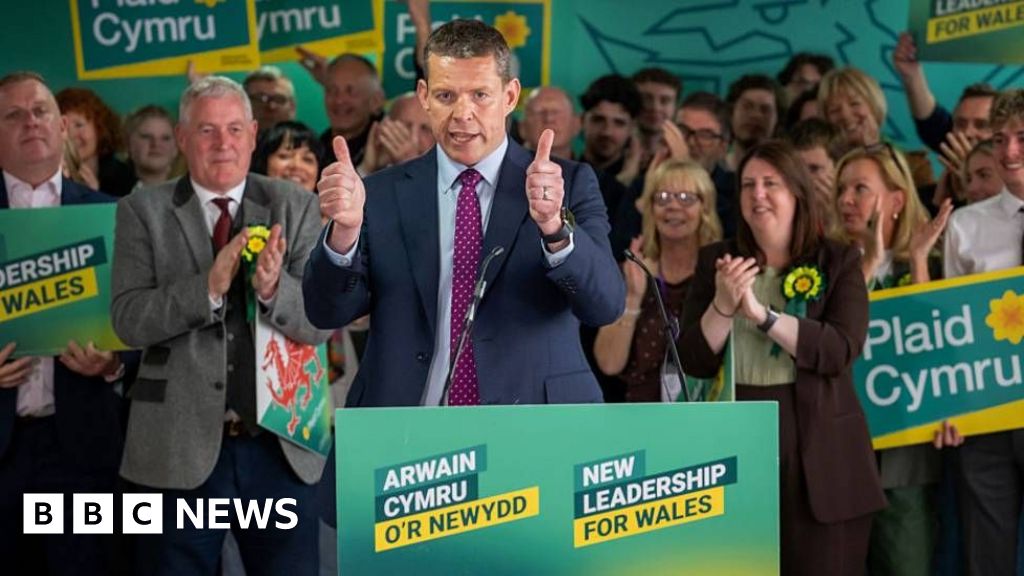
Senedd election: Plaid Cymru ready to run WalesImage Credit: BBC News
Key Points
- •CARDIFF – Following a landmark Senedd election that solidified its position as the official opposition, Plaid Cymru is signaling a significant strategic pivot, presenting itself not just as a party of protest but as a government-in-waiting with a detailed economic agenda for Wales. This newfound confidence, underscored by a strong electoral performance, introduces a new dynamic into Welsh public finance and the long-term investment landscape.
- •National Infrastructure Company: The establishment of 'Y Cwmni Gwaith', a national infrastructure entity. Its mandate would be to directly manage and deliver major capital projects, from green energy infrastructure and transport modernization to building 20,000 new public homes, aiming to stimulate the economy through direct public investment rather than private finance initiatives.
- •Public Investment and Banking: The creation of a Welsh National Bank to provide debt and equity financing for small and medium-sized enterprises (SMEs), which form the backbone of the Welsh economy. This is intended to fill a perceived gap in commercial lending and drive growth in key sectors like technology, renewables, and high-value manufacturing.
- •Tax Policy and Public Services: Plaid Cymru advocates using the Senedd's devolved tax-varying powers to generate additional revenue for public services. Their proposals have included increasing income tax rates for the highest earners to fund investment in the NHS and social care, representing a clear policy of wealth redistribution to bolster the public sector.
- •Green Economic Transformation: A central tenet is a "Green New Deal" for Wales, focusing on massive investment in renewable energy sources such as tidal lagoons and offshore wind. The goal is twofold: to meet climate targets and to create thousands of highly skilled jobs in a burgeoning global sector, positioning Wales as a leader in green technology.
Senedd election: Plaid Cymru ready to run Wales
CARDIFF – Following a landmark Senedd election that solidified its position as the official opposition, Plaid Cymru is signaling a significant strategic pivot, presenting itself not just as a party of protest but as a government-in-waiting with a detailed economic agenda for Wales. This newfound confidence, underscored by a strong electoral performance, introduces a new dynamic into Welsh public finance and the long-term investment landscape.
For markets and business leaders, the message is clear: the prospect of a Welsh government led by a pro-independence party with a distinct economic philosophy is now a tangible political reality that warrants close attention.
A Shift in the Welsh Political Landscape
The election results saw Plaid Cymru secure its status as the second-largest party in the Senedd, creating a more robust and vocal opposition to the ruling Welsh Labour party.
This outcome was the culmination of a disciplined campaign that sought to answer long-standing questions about the party's readiness to govern. As one senior party strategist noted, the campaign deliberately confronted previous perceptions of disorganisation.
"People were asking where the candidates were, where the manifesto was, where the leader was," the strategist commented. "But we've worked hard, people have come out for us, and they supported what we were saying."
This hard-won credibility is now being channelled into a clear narrative: that Plaid Cymru possesses a coherent economic plan to address Wales's structural challenges.
The Economic Blueprint: A Vision for an Independent Wales
At the heart of Plaid Cymru's platform is a comprehensive economic vision that intertwines social democracy with national economic development, all framed by the long-term goal of independence. The party’s key proposals represent a significant departure from the status quo and would have profound implications for public spending, taxation, and industrial strategy.
Key pillars of their proposed economic agenda include:
-
National Infrastructure Company: The establishment of 'Y Cwmni Gwaith', a national infrastructure entity. Its mandate would be to directly manage and deliver major capital projects, from green energy infrastructure and transport modernization to building 20,000 new public homes, aiming to stimulate the economy through direct public investment rather than private finance initiatives.
-
Public Investment and Banking: The creation of a Welsh National Bank to provide debt and equity financing for small and medium-sized enterprises (SMEs), which form the backbone of the Welsh economy. This is intended to fill a perceived gap in commercial lending and drive growth in key sectors like technology, renewables, and high-value manufacturing.
-
Tax Policy and Public Services: Plaid Cymru advocates using the Senedd's devolved tax-varying powers to generate additional revenue for public services. Their proposals have included increasing income tax rates for the highest earners to fund investment in the NHS and social care, representing a clear policy of wealth redistribution to bolster the public sector.
-
Green Economic Transformation: A central tenet is a "Green New Deal" for Wales, focusing on massive investment in renewable energy sources such as tidal lagoons and offshore wind. The goal is twofold: to meet climate targets and to create thousands of highly skilled jobs in a burgeoning global sector, positioning Wales as a leader in green technology.
The Foundation: A Post-Industrial Economy
Plaid Cymru's economic strategy is tailored to address the specific conditions of the Welsh economy. Wales's Gross Value Added (GVA) per capita has persistently lagged behind the UK average, and many communities are still grappling with the legacy of deindustrialisation.
The party argues that decades of centralised UK economic policy have failed Wales. Their solution is a more interventionist, state-led approach focused on developing indigenous capacity, improving productivity, and ensuring wealth is retained and reinvested within Welsh communities.
Fiscal Realities and Headwinds
While the vision is ambitious, it faces significant scrutiny from economists and the business community over its feasibility and potential consequences.
The Affordability Question: Critics, including the current Welsh Government, consistently question how these extensive spending commitments would be funded. While Plaid Cymru points to higher taxes on top earners and a clampdown on tax avoidance, opponents argue the scale of their plans would necessitate either unsustainable levels of borrowing or broader tax increases that could impact business competitiveness.
Business Confidence: The prospect of higher corporate and personal taxes, combined with a more interventionist state, has raised concerns in some business circles. The primary worry is that such policies could deter inward investment and potentially lead to capital flight, undermining the very economic growth the party seeks to foster.
The Independence Variable: The ultimate economic question remains the viability of an independent Wales. While Plaid Cymru is preparing a new economic case, the challenges are immense. An independent Wales would need to address critical issues such as:
- Currency: Adopting a new currency, joining the Euro, or continuing to use the Pound.
- National Debt: Negotiating a share of the UK's national debt.
- Trade: The border with England, its largest trading partner, would become an international one, potentially introducing new tariffs and non-tariff barriers depending on future trade relationships.
Outlook and Implications
In the immediate term, as the official opposition, Plaid Cymru will use its strengthened position to relentlessly scrutinise the Welsh Labour government's budget and economic decisions. Every fiscal statement and policy announcement will be contrasted with their own alternative, framing the debate for the next election.
For investors and businesses operating in Wales, the political risk profile has evolved. The rise of Plaid Cymru introduces a credible, alternative governing philosophy that must now be factored into long-term strategic planning.
The party's challenge is to move its economic platform from a compelling vision to a fully costed, viable plan that can withstand intense scrutiny and win the trust of the Welsh electorate, including the business community. Their success or failure in this endeavour will define the future of Welsh politics and its economy for years to come.
Source: BBC News
Related Articles
Nationwide Protests Against ICE Enforcement Erupt in U.S.
Thousands are protesting ICE after the DOJ declined to investigate a fatal agent-involved shooting in Minneapolis, fueling a national movement and public anger.
Venezuela Amnesty Bill Could Free Political Prisoners
Learn about Venezuela's proposed amnesty bill to release political prisoners. The move could signal a major political shift and affect future economic sanctions
Pokémon Cancels Yasukuni Shrine Event After Backlash
The Pokémon Company has canceled an event at Tokyo's controversial Yasukuni Shrine after facing international backlash from China and South Korea.
US to Lose Measles Elimination Status: What It Means
The U.S. is poised to lose its measles elimination status due to escalating outbreaks. Learn what this downgrade means for public health and the economy.