7 Million Cancer Deaths Annually Are Preventable: WHO Report
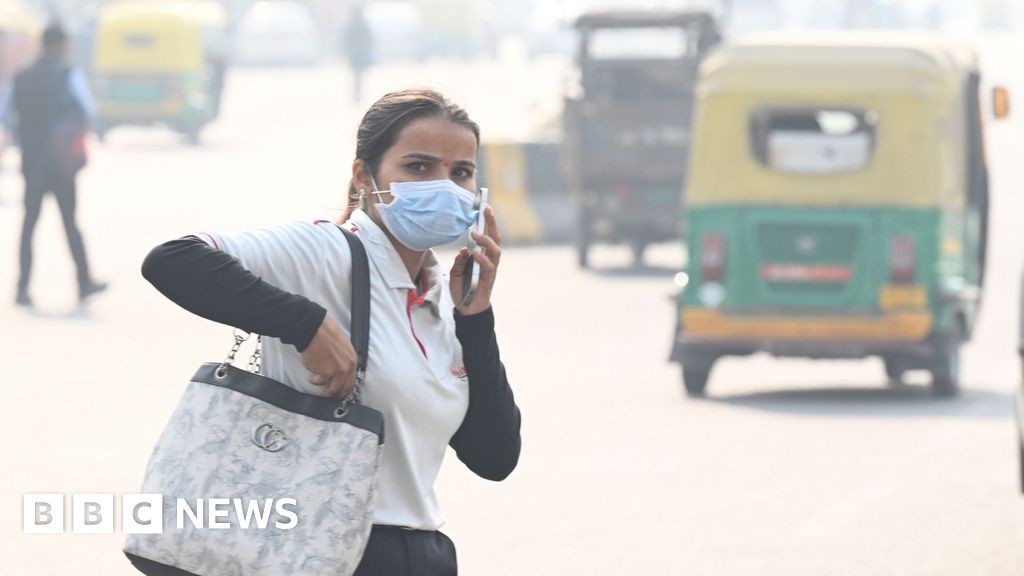
Seven million cancers a year are preventable, says global reportImage Credit: BBC News
Key Points
- •LONDON – A landmark global report reveals a staggering reality: nearly half of all cancer deaths worldwide, totaling an estimated seven million cases annually, are attributable to preventable risk factors. This finding presents not just a human tragedy on a colossal scale but a significant, and largely avoidable, economic burden on global health systems, economies, and businesses.
- •Tobacco Use: Remains the single largest preventable cause of cancer, responsible for a vast number of lung, throat, mouth, and bladder cancers. The report links it to millions of deaths that could be averted through stronger anti-smoking policies.
- •Alcohol Consumption: Identified as a significant and often underestimated risk factor. It is causally linked to several cancer types, including liver, esophageal, breast, and colorectal cancer.
- •Metabolic Risks: A growing category of concern, encompassing high body-mass index (obesity), high blood sugar, and poor diet. These factors are increasingly driving rates of colorectal, breast, pancreatic, and uterine cancers, particularly in developed and emerging economies.
- •Environmental and Occupational Risks: Exposure to carcinogens such as asbestos, air pollution, and unsafe working conditions continues to be a major contributor, especially in industrializing nations with less stringent regulatory oversight.
Seven million cancers a year are preventable, says global report
LONDON – A landmark global report reveals a staggering reality: nearly half of all cancer deaths worldwide, totaling an estimated seven million cases annually, are attributable to preventable risk factors. This finding presents not just a human tragedy on a colossal scale but a significant, and largely avoidable, economic burden on global health systems, economies, and businesses.
The comprehensive study, highlighted by the World Health Organization (WHO), reframes the global fight against cancer, shifting the focus from solely treatment-centric models to a powerful emphasis on proactive, evidence-based prevention.
Why it matters
The sheer scale of preventable cancers represents a critical drain on global resources. The economic toll includes not only the multi-billion dollar direct costs of diagnostics, treatments, and hospital care but also the immense indirect costs of lost productivity, workforce depletion, and informal caregiver burden.
For governments and corporations, this data underscores that investing in public health is not merely a social expenditure but a strategic economic imperative with a measurable return.
The anatomy of prevention
The report deconstructs the key drivers behind these preventable cases, providing a clear roadmap for targeted intervention. The primary culprits are well-documented, but their combined global impact is stark.
-
Tobacco Use: Remains the single largest preventable cause of cancer, responsible for a vast number of lung, throat, mouth, and bladder cancers. The report links it to millions of deaths that could be averted through stronger anti-smoking policies.
-
Alcohol Consumption: Identified as a significant and often underestimated risk factor. It is causally linked to several cancer types, including liver, esophageal, breast, and colorectal cancer.
-
Metabolic Risks: A growing category of concern, encompassing high body-mass index (obesity), high blood sugar, and poor diet. These factors are increasingly driving rates of colorectal, breast, pancreatic, and uterine cancers, particularly in developed and emerging economies.
-
Environmental and Occupational Risks: Exposure to carcinogens such as asbestos, air pollution, and unsafe working conditions continues to be a major contributor, especially in industrializing nations with less stringent regulatory oversight.
-
Infectious Agents: A substantial portion of the cancer burden, especially in low- and middle-income countries (LMICs), is driven by infections. These include the Human Papillomavirus (HPV) causing cervical cancer, Hepatitis B and C leading to liver cancer, and H. pylori linked to stomach cancer.
A message of optimism
Despite the sobering statistics, health leaders are emphasizing the positive implications of the report. The data confirms that established public health strategies work, offering a clear, actionable path forward.
Dr. Andre Ilbawi, a cancer control specialist at the WHO, framed the findings as "good news," stressing that the report demonstrates that a significant portion of the global cancer burden is not an inevitability.
"The study shows something can be done," Dr. Ilbawi noted, pointing to the clear success of countries that have implemented robust policies to tackle smoking or have successfully rolled out national HPV vaccination programs. This provides a proof of concept for wider global adoption.
Case studies in success
The report's conclusions are not theoretical. They are based on decades of real-world data from nations that have prioritized prevention.
The war on tobacco
Countries like Australia and the United Kingdom have served as global models. By implementing a multi-pronged strategy—including high taxation, comprehensive advertising bans, smoke-free public space legislation, and plain packaging—they have achieved dramatic, sustained reductions in smoking rates. The corresponding drop in lung cancer incidence decades later provides unequivocal evidence of the policy's long-term fiscal and social benefits.
The power of vaccination
The introduction of the HPV vaccine has been a revolutionary public health achievement. In countries with high vaccination coverage among adolescents, rates of pre-cancerous cervical lesions have plummeted by over 90%. The data strongly suggests that these nations are on a trajectory to effectively eliminate cervical cancer as a public health problem within a generation—a goal once considered unthinkable.
The economic imperative of prevention
From a financial perspective, the argument for prevention is overwhelming. The cost of treating advanced cancer can run into hundreds of thousands of dollars per patient, placing immense strain on national health budgets and private insurers. In contrast, the cost of preventive measures is fractional.
-
Direct Healthcare Costs: Treating preventable cancers consumes a disproportionate share of healthcare budgets. These funds could be reallocated to other urgent health needs or used to strengthen health system infrastructure.
-
Indirect Economic Costs: The loss of an individual in their prime productive years to a preventable cancer creates a ripple effect. It impacts household income, reduces the skilled labor pool, and increases social welfare costs.
-
The ROI of Prevention: The return on investment for cancer prevention is exceptionally high. Every dollar spent on smoking cessation programs, for example, is estimated to save multiple dollars in future healthcare expenditures. Similarly, the cost of an HPV vaccine is minuscule compared to the lifelong costs of treating cervical cancer.
What's next
The report serves as a global call to action for governments, international health bodies, and the private sector. The path forward requires a decisive and coordinated pivot towards prevention, grounded in proven strategies.
Key steps include:
-
Policy Implementation: Governments must accelerate the adoption of WHO-recommended "Best Buys" in public health, such as raising tobacco and alcohol taxes, restricting marketing of unhealthy foods, and promoting physical activity.
-
Funding for Vaccination: International partners and national governments must ensure equitable and widespread access to crucial vaccines for HPV and Hepatitis B, particularly in LMICs where the burden of infection-related cancers is highest.
-
Corporate Responsibility: The private sector has a critical role to play in promoting healthier environments and products, from the food and beverage industry to employers ensuring safe occupational standards.
Ultimately, the report's core message is one of agency. Seven million cancer cases are not a fixed statistic, but a challenge that can be met with the political will, strategic investment, and proven tools already at our disposal.
Source: BBC News
Related Articles
Nationwide Protests Against ICE Enforcement Erupt in U.S.
Thousands are protesting ICE after the DOJ declined to investigate a fatal agent-involved shooting in Minneapolis, fueling a national movement and public anger.
Venezuela Amnesty Bill Could Free Political Prisoners
Learn about Venezuela's proposed amnesty bill to release political prisoners. The move could signal a major political shift and affect future economic sanctions
Pokémon Cancels Yasukuni Shrine Event After Backlash
The Pokémon Company has canceled an event at Tokyo's controversial Yasukuni Shrine after facing international backlash from China and South Korea.
US to Lose Measles Elimination Status: What It Means
The U.S. is poised to lose its measles elimination status due to escalating outbreaks. Learn what this downgrade means for public health and the economy.