Ski Jumping 'Penis Doping' Reports Met with Skepticism
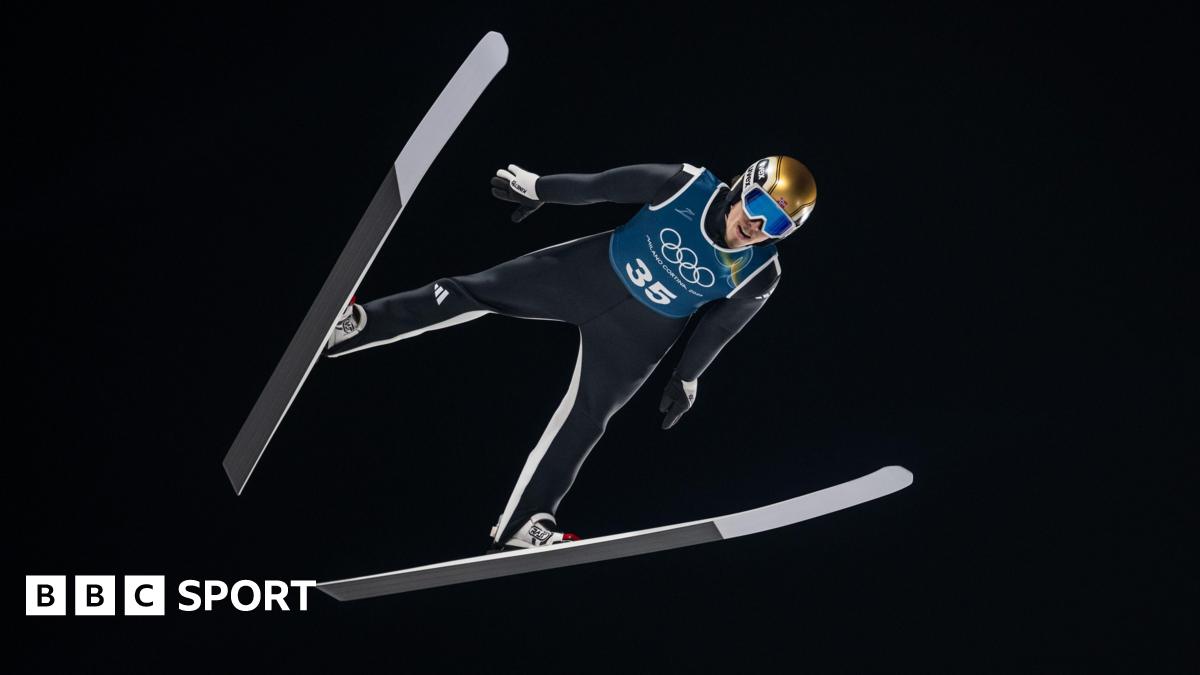
Winter Olympics 2026: Ski jumpers sceptical of penis injection reportsImage Credit: BBC News
Key Points
- •The Substance: Hyaluronic acid is a gel-like substance naturally found in the body. It is not on the World Anti-Doping Agency (WADA) Prohibited List and is widely used in aesthetic medicine for its volume-enhancing properties.
- •The Mechanism: According to the International Ski and Snowboard Federation (FIS), the governing body for the sport, a larger suit provides a greater surface area. This increased area functions like a small wing, generating more lift and allowing the athlete to fly farther through theair.
- •The Advantage: In a sport where victory can be decided by centimetres, even a marginal increase in flight distance can be the difference between a podium finish and obscurity. The alleged procedure is a novel attempt to exploit equipment regulations by modifying the body itself.
- •FIS Equipment Rules: These rules are designed to prevent athletes from wearing overly baggy "wing suits" that would transform the sport into a pure test of equipment rather than athletic skill. Measurements are taken at specific body points to determine the legal suit size.
- •The Loophole: The regulations are predicated on an athlete's natural body dimensions. They do not currently account for cosmetic or medical alterations intended solely to influence these measurements.
Winter Olympics 2026: Ski jumpers sceptical of penis injection reports
A bizarre and unprecedented report alleging a new form of "body doping" has cast a shadow over the world of elite ski jumping, forcing regulators to confront a potential loophole that blurs the line between medical procedure and competitive advantage. The controversy, stemming from claims that male athletes are using cosmetic injections to manipulate equipment rules, has been met with firm scepticism from top figures within the sport, who argue it is an unwelcome distraction ahead of the 2026 Milan-Cortina Winter Olympics.
The affair raises complex questions for sporting integrity, regulatory oversight, and the constant battle between innovation and fair play.
The Unconventional Allegation
The issue first gained international attention following a January report in the German newspaper Bild. The publication alleged that some male ski jumpers were undergoing a cosmetic procedure to gain a competitive edge.
The method involves injecting hyaluronic acid, a substance commonly used in dermal fillers, into the penis. While the procedure is primarily cosmetic, its application in a sporting context is tactical. The injection can increase penile circumference, which in turn allows an athlete to be fitted for a larger ski jumping suit under the sport's stringent measurement protocols.
-
The Substance: Hyaluronic acid is a gel-like substance naturally found in the body. It is not on the World Anti-Doping Agency (WADA) Prohibited List and is widely used in aesthetic medicine for its volume-enhancing properties.
-
The Mechanism: According to the International Ski and Snowboard Federation (FIS), the governing body for the sport, a larger suit provides a greater surface area. This increased area functions like a small wing, generating more lift and allowing the athlete to fly farther through theair.
-
The Advantage: In a sport where victory can be decided by centimetres, even a marginal increase in flight distance can be the difference between a podium finish and obscurity. The alleged procedure is a novel attempt to exploit equipment regulations by modifying the body itself.
A Regulatory Gray Area
This controversy highlights a significant gray area in sports regulation. It is not a case of traditional doping involving performance-enhancing drugs, but rather a form of "body hacking" designed to manipulate equipment rules.
FIS regulations for ski jumping suits are notoriously precise, governing everything from material and air permeability to the fit. Suits must be tailored to an athlete's body, with a maximum tolerance of only a few centimetres of extra material. By increasing a body measurement, an athlete could legally qualify for a larger suit, effectively bypassing the spirit, if not the letter, of the law.
The Governance Challenge
The situation presents a unique challenge for both FIS and WADA. Because hyaluronic acid is not a banned substance, the procedure itself does not violate anti-doping codes. The focus, therefore, shifts entirely to equipment regulations and the definition of fair play.
-
FIS Equipment Rules: These rules are designed to prevent athletes from wearing overly baggy "wing suits" that would transform the sport into a pure test of equipment rather than athletic skill. Measurements are taken at specific body points to determine the legal suit size.
-
The Loophole: The regulations are predicated on an athlete's natural body dimensions. They do not currently account for cosmetic or medical alterations intended solely to influence these measurements.
-
Potential Precedent: If validated, this practice could open a Pandora's box of bio-hacking techniques across various sports where equipment is tailored to the body, forcing governing bodies to create new and potentially invasive regulations about an athlete's physical state.
High Stakes in a Sport of Fine Margins
To understand the motivation behind such an extreme measure, one must appreciate the physics and finance of modern ski jumping. The sport is a technical marvel where athletes launch themselves at speeds exceeding 90 km/h (55 mph) and fly over 200 meters.
Success is determined by a combination of power, technique, and aerodynamics. The athlete's suit is a critical piece of aerodynamic equipment. A fractional increase in surface area can delay the descent, adding precious meters to a jump. This technical reality has created a history of cat-and-mouse games between teams and regulators over suit design and materials.
The financial incentives are equally compelling. Olympic medals bring national glory, government funding, and lucrative personal sponsorships. The FIS World Cup circuit offers significant prize money, and top athletes become household names in winter sports nations, commanding high-value endorsement deals. This financial pressure creates a powerful incentive to find any possible legal advantage.
Scepticism from the Ski Jumping Community
Despite the detailed reports, the allegations have been met with strong disbelief and concern from within the sport. Prominent figures have questioned the veracity of the claims and lamented the negative attention it brings.
Christian Meyer, the coach for Norway's elite women's ski jumping team, was unequivocal in his reaction.
"I do not think we need that kind of attention, and on the women's side we are quite calm about the subject," Meyer stated. "I have not seen anything like it, so I am also wondering whether it is true. I actually do not believe it."
-
Plausibility Questions: Many in the sport find the reports difficult to believe, questioning the practicality and effectiveness of such a method compared to more conventional training and technical adjustments.
-
Reputational Damage: There is a palpable concern that even unsubstantiated reports can tarnish the image of ski jumping, suggesting a culture of cheating that insiders argue does not exist.
-
Unwanted Distraction: For athletes and coaches preparing for major competitions, including the upcoming World Championships and the 2026 Olympics, the controversy serves as an unwelcome distraction from the intense focus required for elite performance.
Implications and Next Steps
Whether the reports are confirmed or ultimately dismissed as a rumour, they have already forced a critical conversation within the corridors of power at FIS and WADA. The governing bodies are now under pressure to investigate the potential loophole and determine if new regulations are needed.
The key question is how to regulate body modification. Could FIS introduce rules that define a "natural" body state for measurement purposes? Such a move would be fraught with ethical and logistical challenges, potentially requiring more invasive physical checks.
For now, the sport is in a holding pattern. No official investigation has been announced, and no athletes have been publicly accused. However, the report has planted a seed of doubt and placed a new, complex issue on the agenda for sports regulators. As the world looks toward Milan-Cortina, the integrity of every measurement and every centimetre of fabric will be under more intense scrutiny than ever before.
Source: BBC News
Related Articles
Nationwide Protests Against ICE Enforcement Erupt in U.S.
Thousands are protesting ICE after the DOJ declined to investigate a fatal agent-involved shooting in Minneapolis, fueling a national movement and public anger.
Venezuela Amnesty Bill Could Free Political Prisoners
Learn about Venezuela's proposed amnesty bill to release political prisoners. The move could signal a major political shift and affect future economic sanctions
Pokémon Cancels Yasukuni Shrine Event After Backlash
The Pokémon Company has canceled an event at Tokyo's controversial Yasukuni Shrine after facing international backlash from China and South Korea.
US to Lose Measles Elimination Status: What It Means
The U.S. is poised to lose its measles elimination status due to escalating outbreaks. Learn what this downgrade means for public health and the economy.