SpaceX Plans 1 Million-Satellite Fleet for Global Internet
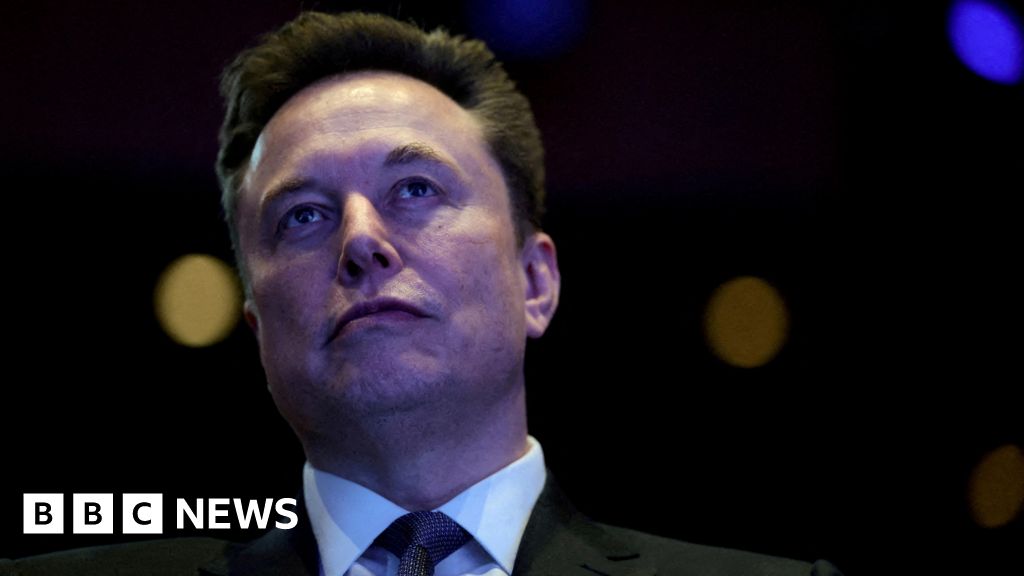
Elon Musk's SpaceX applies to launch 1m satellites into orbitImage Credit: BBC News
Key Points
- •LONDON – SpaceX, the aerospace and communications conglomerate led by Elon Musk, has initiated a regulatory process that could redefine humanity's presence in near-Earth space, filing applications for a constellation of approximately one million satellites. This move, if approved and realized, would represent a hundredfold increase over the total number of active satellites currently in orbit and dramatically expand the company's already dominant Starlink internet service.
- •Why it matters: This unprecedented application signals a long-term strategy by SpaceX to create a ubiquitous, multi-layered satellite infrastructure far beyond its current scope. While the immediate goal is to bolster its next-generation global internet and direct-to-cell phone services, the sheer scale of the proposal raises profound questions about orbital sustainability, international regulation, and the future of ground-based astronomy.
- •Current Starlink Constellation: SpaceX currently operates a fleet of approximately 6,000 satellites. This fleet already accounts for more than half of all active satellites orbiting Earth.
- •The Strategic Goal: The ultimate aim is to achieve near-total global coverage, eliminate latency issues, and provide service robust enough to compete directly with terrestrial fiber optic networks, while also enabling a new market for direct-to-smartphone connectivity without the need for special hardware.
- •Currently Active Satellites (All Operators): Roughly 10,500.
Elon Musk's SpaceX Applies to Launch 1 Million Satellites Into Orbit
LONDON – SpaceX, the aerospace and communications conglomerate led by Elon Musk, has initiated a regulatory process that could redefine humanity's presence in near-Earth space, filing applications for a constellation of approximately one million satellites. This move, if approved and realized, would represent a hundredfold increase over the total number of active satellites currently in orbit and dramatically expand the company's already dominant Starlink internet service.
Why it matters: This unprecedented application signals a long-term strategy by SpaceX to create a ubiquitous, multi-layered satellite infrastructure far beyond its current scope. While the immediate goal is to bolster its next-generation global internet and direct-to-cell phone services, the sheer scale of the proposal raises profound questions about orbital sustainability, international regulation, and the future of ground-based astronomy.
In a characteristic move, Elon Musk addressed the inevitable concerns about orbital crowding on his social media platform, X. "The satellites will actually be so far apart that it will be hard to see from one to another," Musk wrote. "Space is so vast as to be beyond comprehension."
The Big Picture: From Niche Service to Global Utility
SpaceX's Starlink has already disrupted the telecommunications landscape by providing high-speed internet to over 3 million customers in more than 70 countries, many in remote and underserved regions. The service is powered by a "megaconstellation" in low-Earth orbit (LEO), which is already the world's largest.
This new filing is not merely an expansion but a fundamental escalation of that vision. The applications, submitted to the International Telecommunication Union (ITU)—the United Nations agency responsible for coordinating global satellite orbits and radio frequencies—are a necessary first step to secure the international rights to operate on such a massive scale.
- Current Starlink Constellation: SpaceX currently operates a fleet of approximately 6,000 satellites. This fleet already accounts for more than half of all active satellites orbiting Earth.
- The Strategic Goal: The ultimate aim is to achieve near-total global coverage, eliminate latency issues, and provide service robust enough to compete directly with terrestrial fiber optic networks, while also enabling a new market for direct-to-smartphone connectivity without the need for special hardware.
By the Numbers: A New Scale for Space
To grasp the magnitude of SpaceX's ambition, it's essential to compare the proposed numbers with the current state of Earth's orbit. The figures illustrate a quantum leap in orbital hardware.
- Currently Active Satellites (All Operators): Roughly 10,500.
- SpaceX's Current Fleet: Approximately 6,000.
- SpaceX's Currently Approved Future Fleet: The U.S. Federal Communications Commission (FCC) has already granted SpaceX approval for around 12,000 satellites for its Gen2 system, with the company having applied for a total of nearly 42,000.
- The New Application: The filings with the ITU cover spectrum for close to one million individual satellites, a number that dwarfs all previous and current constellations combined.
Zoom In: The Strategic Rationale
The filing for one million satellites serves multiple strategic purposes for SpaceX, extending far beyond simply adding more internet capacity.
Securing Orbital Real Estate
Filing with the ITU is akin to staking a claim in a new territory. By registering its intent for such a vast number of satellites across various orbital shells and frequency bands, SpaceX is effectively reserving future orbital "slots." This preemptive move could box out competitors and gives the company immense flexibility for decades of planned expansion, even if the full one million satellites are never launched.
The Direct-to-Cell Revolution
A primary driver for this expansion is the emerging and potentially colossal market for direct-to-cell service. SpaceX has already begun testing technology that allows standard, unmodified smartphones to connect directly to its satellites for texting, and eventually voice and data.
- Market Potential: This service would eliminate mobile dead zones globally, providing a crucial lifeline for emergency services, rural populations, and industries like shipping and logistics. Capturing this market would open up a revenue stream potentially larger than its current broadband service.
- Technical Requirement: Providing robust direct-to-cell service requires a much denser satellite network than broadband internet, as the antennas on phones are far less powerful than the user terminals for Starlink. The one million satellite figure likely reflects the density needed for a high-quality, global service.
The Other Side: A Crowded and Contested Cosmos
Despite Musk's assurances about the vastness of space, the proposal has been met with immediate and significant concern from scientists, regulators, and competing satellite operators. The challenges are both physical and political.
- Orbital Debris Risk: Experts warn that adding so many objects to LEO dramatically increases the risk of collisions. A single impact can generate thousands of pieces of debris, each capable of destroying other satellites. This raises the specter of the "Kessler Syndrome," a theoretical scenario where the density of debris becomes so high that it creates a cascading chain reaction of collisions, rendering certain orbits unusable for generations.
- Astronomical Interference: The astronomy community is already struggling with the impact of the existing Starlink constellation. The satellites reflect sunlight, creating bright streaks across images from ground-based telescopes and interfering with sensitive radio astronomy observations. A million satellites, even with mitigation efforts, could fundamentally compromise humanity's ability to observe the universe from Earth.
- Regulatory and Geopolitical Scrutiny: An ITU filing is not a final approval. SpaceX will face intense scrutiny from national regulators like the FCC, which must grant a license to operate. Furthermore, the prospect of a single U.S. company controlling such a critical piece of global infrastructure is certain to provoke geopolitical debate over sovereignty, data security, and equitable access to space.
What's Next
The ITU will now begin the long and complex process of reviewing SpaceX's applications. This involves coordinating with member nations to ensure the proposed network does not interfere with existing or planned satellite systems.
Simultaneously, SpaceX must prove to the FCC and other national bodies that it has a viable and safe plan for deploying, operating, and, crucially, de-orbiting such a large number of satellites at the end of their lifespan. The company's plans for debris mitigation and collision avoidance will be under the microscope.
This application is less a near-term construction plan and more a declaration of SpaceX's ultimate ambition: to build the foundational utility of the 21st-century digital economy. The coming months and years will determine whether regulators and the international community believe the benefits of that vision outweigh the profound risks to the orbital environment.
Source: BBC News
Related Articles
Nationwide Protests Against ICE Enforcement Erupt in U.S.
Thousands are protesting ICE after the DOJ declined to investigate a fatal agent-involved shooting in Minneapolis, fueling a national movement and public anger.
Venezuela Amnesty Bill Could Free Political Prisoners
Learn about Venezuela's proposed amnesty bill to release political prisoners. The move could signal a major political shift and affect future economic sanctions
Pokémon Cancels Yasukuni Shrine Event After Backlash
The Pokémon Company has canceled an event at Tokyo's controversial Yasukuni Shrine after facing international backlash from China and South Korea.
US to Lose Measles Elimination Status: What It Means
The U.S. is poised to lose its measles elimination status due to escalating outbreaks. Learn what this downgrade means for public health and the economy.