Starmer Rebukes Trump Over Afghanistan Military Claims
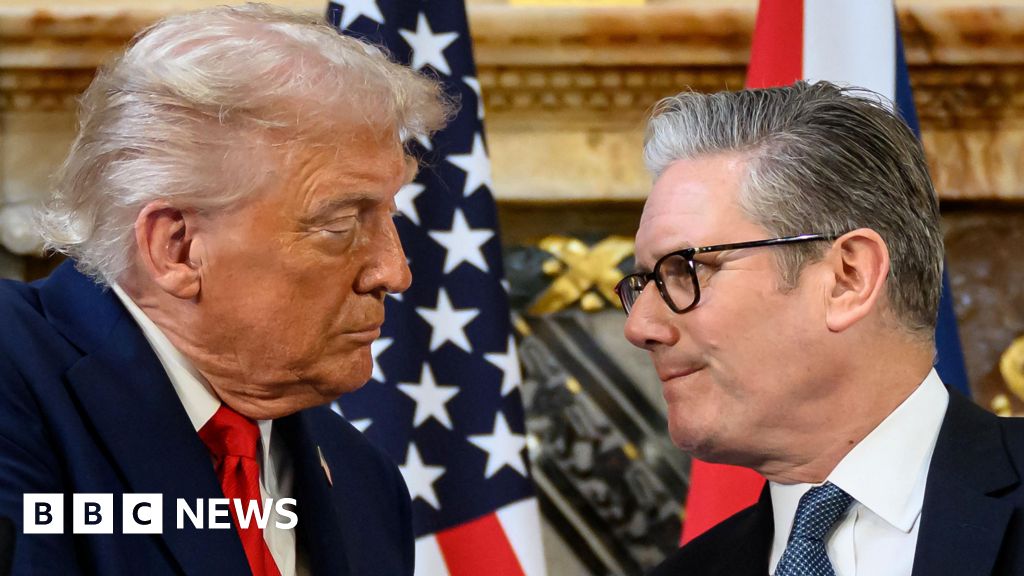
Chris Mason: Keir Starmer's strongest rebuke yet for Donald TrumpImage Credit: BBC Politics
Key Points
- •The President’s specific claims included:**
- •NATO allies sent only "some troops" to the conflict.
- •These forces "stayed a little back" from the heat of the battle.
- •Allied troops were positioned "a little off the front lines," implying a lack of direct combat engagement.
- •The factual reality:**
Starmer’s Strongest Rebuke: A Turning Point in the UK-US Special Relationship
Prime Minister Sir Keir Starmer has delivered his most stinging public condemnation of Donald Trump to date, marking a significant shift in the carefully calibrated diplomacy between 10 Downing Street and the White House. Following President Trump’s disparaging remarks regarding the British military’s role in the Afghanistan conflict, Starmer’s direct intervention signals a prioritization of national honor over diplomatic niceties.
The Catalyst: Trump’s Claims on Afghanistan
During a recent address, President Trump targeted the NATO alliance, specifically questioning the commitment and bravery of non-US forces during the two-decade war in Afghanistan.
The President’s specific claims included:
- NATO allies sent only "some troops" to the conflict.
- These forces "stayed a little back" from the heat of the battle.
- Allied troops were positioned "a little off the front lines," implying a lack of direct combat engagement.
The factual reality: The claims have been widely dismissed by military historians and defense analysts as factually inaccurate. The United Kingdom, as a primary NATO partner, maintained a massive footprint in Afghanistan for 20 years, primarily in the volatile Helmand Province.
The Human Cost
The Prime Minister’s anger is rooted in the heavy price paid by British service members:
- 457 British service personnel lost their lives during the conflict.
- Thousands more sustained life-changing injuries, both physical and psychological.
- The UK maintained the second-highest casualty rate among coalition forces for much of the war.
"Insulting and Frankly Appalling"
Upon returning to Downing Street on Friday afternoon, sources indicate that Sir Keir Starmer felt it was "essential" to issue a rebuttal in the most direct terms possible. Moving beyond the standard diplomatic "deep concern," the Prime Minister used language rarely seen in communications between the UK and its closest ally.
Key Observations on the Rebuke:
- The Language: Starmer labeled the President’s remarks as "insulting and frankly appalling."
- The Delivery: Observers noted that the Prime Minister’s tone and body language conveyed a level of genuine anger seldom seen in his public appearances.
- The Directness: Unlike previous instances where criticisms were veiled, this was a targeted, personal rebuke of the sitting US President.
Why This Matters: The "First Order Duty"
For Starmer, the decision to confront Trump was not merely political; it was institutional. The Prime Minister’s team has emphasized that he views the defense of the armed forces as a "first order duty" of his office.
The rationale behind the stance:
- Voice for the Voiceless: Serving personnel are restricted from engaging in political discourse; the fallen cannot speak at all.
- Institutional Integrity: As Commander-in-Chief in all but name, the PM viewed an attack on the military’s record as an attack on the British state.
- Domestic Credibility: Starmer has spent years repositioning the Labour Party as a staunch supporter of national defense; failing to react would have undermined this platform.
A Pattern of Friction
While this is the strongest rebuke yet, it is the third time this week that circumstances have forced Starmer to publicly distance himself from the Trump administration. This trend is particularly notable because the Prime Minister has invested significant political capital into building a working relationship with Trump since the latter’s return to the White House.
The JD Vance Precedent
This is not the first time the Starmer administration has locked horns with the current US executive branch over the treatment of the military.
- March 2023: Then-Opposition Leader Starmer pointedly paid tribute to UK troops in the House of Commons.
- The Context: This followed comments by Vice-President JD Vance that were perceived as disrespectful to the British military.
- The Difference: In that instance, Starmer did not name Vance directly, opting for a more subtle diplomatic correction. The shift to naming Trump directly this week represents a major escalation in rhetoric.
The Diplomatic Tightrope
The timing of this fallout is delicate. Just last September, Donald Trump and Keir Starmer appeared together at the conclusion of the President's state visit to the UK, an event designed to project unity and "Special Relationship" stability.
The Strategic Challenge for Number 10:
- Security Cooperation: The UK remains heavily dependent on US intelligence sharing and nuclear deterrent technology.
- Trade Ambitions: The UK is still seeking favorable trade terms and alignment with the US on global economic policy.
- NATO Unity: Public spats between the two most powerful members of the alliance provide ammunition for adversaries.
Analysis: Smart Brevity on the Fallout
The Big Picture: Starmer is drawing a "red line" around the reputation of the British military. He is betting that the UK public will prioritize national pride over the potential risk of alienating a volatile US President.
The Risk: Trump is known for his long memory regarding personal slights. A public rebuke of this magnitude could freeze diplomatic channels on other critical issues, such as Ukraine or trade tariffs.
The Bottom Line: For a Prime Minister who prides himself on being a "rules-based" internationalist, the factual inaccuracies of Trump's claims were likely as offensive as the sentiment behind them. Starmer has decided that some things are not up for negotiation—even with the leader of the free world.
Next Steps: What to Watch
- The White House Response: Will the President double down on his claims or offer a rare clarification?
- Foreign Office Damage Control: Look for Foreign Secretary David Lammy to attempt to "de-escalate" the rhetoric in the coming days while maintaining the PM's core message.
- Parliamentary Consensus: Watch for whether the Conservative opposition supports the PM's stance or criticizes him for damaging the US relationship.
- NATO Summitry: The next gathering of NATO leaders will be a high-stakes environment to see if this friction manifests in policy shifts regarding defense spending or troop deployments.
Source: BBC Politics
Related Articles
Nationwide Protests Against ICE Enforcement Erupt in U.S.
Thousands are protesting ICE after the DOJ declined to investigate a fatal agent-involved shooting in Minneapolis, fueling a national movement and public anger.
Venezuela Amnesty Bill Could Free Political Prisoners
Learn about Venezuela's proposed amnesty bill to release political prisoners. The move could signal a major political shift and affect future economic sanctions
Pokémon Cancels Yasukuni Shrine Event After Backlash
The Pokémon Company has canceled an event at Tokyo's controversial Yasukuni Shrine after facing international backlash from China and South Korea.
US to Lose Measles Elimination Status: What It Means
The U.S. is poised to lose its measles elimination status due to escalating outbreaks. Learn what this downgrade means for public health and the economy.