Supreme Court Revives Controversial Citizenship Data System
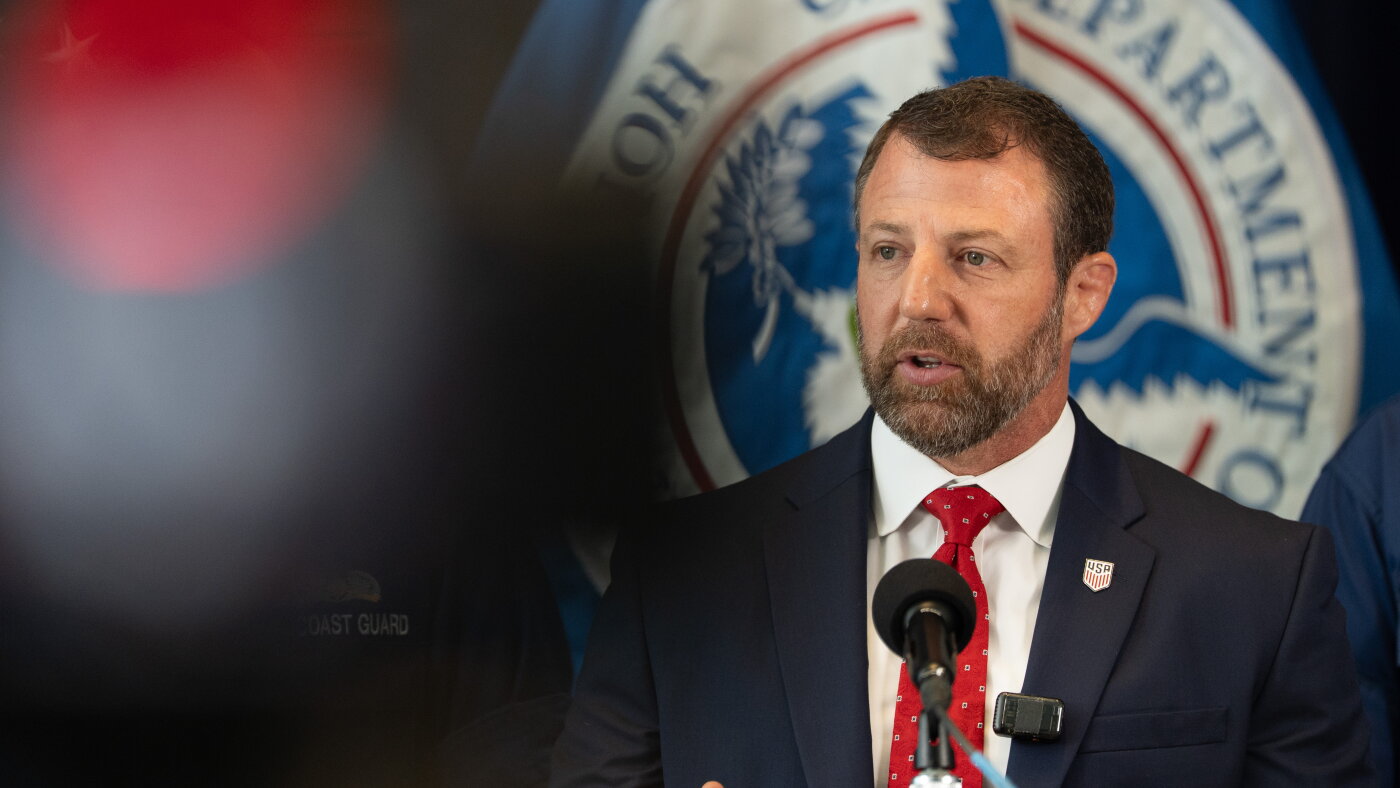
The Supreme Court revives a controversial data system for citizenship checksImage Credit: NPR News
Key Points
- •WASHINGTON – The U.S. Supreme Court has reinstated a controversial federal data system, overhauled by the Trump administration to conduct mass checks of citizenship status against state voter rolls. The decision, handed down late Friday, lifts a lower court injunction and allows the Department of Homeland Security (DHS) to resume using the system, which critics argue risks disenfranchising eligible American voters.
- •Individual Inquiries: The Court's primary justification was that the lower court's broad injunction improperly prevented the government from conducting "individualized inquiries" into a voter's status. Federal law permits such individual checks even within the 90-day pre-election blackout period for systematic voter purges.
- •Election Integrity: The opinion stated that the District Court's order "inhibits the Federal Government's efforts to assist state and local agencies in the proper administration of the midterm elections." This echoes the administration's argument that the system is a vital tool for maintaining public confidence in election results.
- •Risk to Voters: Justice Jackson highlighted the "risk that States might cancel the voter registrations of at least some recently naturalized citizens or force such persons to provide proof of citizenship before voting." The dissent noted that the system has been shown to mistakenly flag eligible voters, creating significant hurdles for them to exercise their rights.
- •Ignoring Lower Court Findings: The dissent criticized the majority for its "omission of any consideration of the harms" that the District Court had explicitly identified in its June ruling.
The Supreme Court Revives Controversial Citizenship Data System Ahead of Midterms
WASHINGTON – The U.S. Supreme Court has reinstated a controversial federal data system, overhauled by the Trump administration to conduct mass checks of citizenship status against state voter rolls. The decision, handed down late Friday, lifts a lower court injunction and allows the Department of Homeland Security (DHS) to resume using the system, which critics argue risks disenfranchising eligible American voters.
The ruling is a significant, if temporary, victory for the administration, which has prioritized efforts to identify and remove noncitizens from voter registration lists ahead of the November midterm elections. The system has already been used to process tens of millions of voter records, flagging thousands as potential noncitizens, before being halted in June.
The Court's Rationale
In an unsigned majority opinion, the Court sided with the administration's emergency request to stay the lower court’s order. The majority focused on the federal government's role in assisting states with election administration, particularly in identifying ineligible voters.
- Individual Inquiries: The Court's primary justification was that the lower court's broad injunction improperly prevented the government from conducting "individualized inquiries" into a voter's status. Federal law permits such individual checks even within the 90-day pre-election blackout period for systematic voter purges.
- Election Integrity: The opinion stated that the District Court's order "inhibits the Federal Government's efforts to assist state and local agencies in the proper administration of the midterm elections." This echoes the administration's argument that the system is a vital tool for maintaining public confidence in election results.
The Dissent: A Warning of "Harms"
The Court's three liberal justices dissented. Justice Ketanji Brown Jackson, writing for the dissenters, argued the majority failed to weigh the potential damage the reactivated system could cause to legitimate voters.
- Risk to Voters: Justice Jackson highlighted the "risk that States might cancel the voter registrations of at least some recently naturalized citizens or force such persons to provide proof of citizenship before voting." The dissent noted that the system has been shown to mistakenly flag eligible voters, creating significant hurdles for them to exercise their rights.
- Ignoring Lower Court Findings: The dissent criticized the majority for its "omission of any consideration of the harms" that the District Court had explicitly identified in its June ruling.
Behind the Controversy: The SAVE System Overhaul
At the heart of the legal battle is the Systematic Alien Verification for Entitleaments (SAVE) program, a four-decade-old database with a narrowly defined original purpose.
What it was:
- Original Purpose: SAVE was created to help federal, state, and local agencies verify the immigration status of noncitizens applying for public benefits, such as Social Security or housing assistance. It was designed for targeted, individual checks, not bulk data processing.
What it became:
- Massive Expansion: In the past year, DHS significantly revamped SAVE. It linked the system for the first time with Social Security Administration (SSA) records, which contain data on most American citizens.
- Bulk-Matching Capability: The overhaul enabled states to upload their entire voter registration databases for bulk cross-referencing against federal records. DHS actively encouraged states to use this new feature to check for noncitizens and deceased individuals on their rolls.
- Scale of Use: According to the administration's court filings, 26 states have already used the modified SAVE program, submitting over 65 million voter records for verification since May 2025. These checks resulted in 28,635 individuals being flagged as potential noncitizens.
The Legal Path to the Supreme Court
The system's expansion quickly drew a legal challenge from a coalition of civil rights and privacy groups, including the League of Women Voters and the Electronic Privacy Information Center (EPIC).
In June, U.S. District Judge Sparkle Sooknanan issued a sweeping injunction, finding the revamped SAVE program likely violated multiple federal laws.
- Key Violations: Judge Sooknanan ruled that the program's aggregation and sharing of sensitive citizen data ran afoul of the Social Security Act, the Privacy Act, and the Administrative Procedures Act.
- Scathing Rebuke: "The federal government has knowingly trampled on the privacy rights of American citizens in a manner that threatens the sacred right to vote," she wrote in her decision.
The administration immediately appealed. After a federal appeals court declined to lift the injunction, Solicitor General D. John Sauer took the case to the Supreme Court, arguing the lower court's order "makes it harder to detect ineligible voters, undermining the integrity of federal elections."
Implications and What Comes Next
The Supreme Court's decision clears the path for DHS and participating states to immediately resume using the expanded SAVE system. However, the exact impact on the fast-approaching midterm elections remains unclear.
- The 90-Day Rule: Federal law generally prohibits "systematic" removal of voters from the rolls within 90 days of a federal election. The Trump administration and its state allies argue this rule should not apply to removing noncitizens, whom they contend were never legally registered. The Supreme Court's focus on "individualized inquiries" may provide a legal pathway for states to act on flags from the SAVE system, even within this period.
- Ongoing Litigation: This ruling is not the final word. The Supreme Court only granted a temporary stay, allowing the system to operate while the underlying legal case proceeds. The challengers have vowed to continue their fight to have the District Court's original decision permanently upheld.
- Voter Confidence and Confusion: The back-and-forth legal battle and the known fallibility of the data-matching process create a risk of confusion for both election officials and voters. Individuals, particularly newly naturalized citizens, may face challenges if they are incorrectly flagged, potentially requiring them to provide additional documentation to prove their eligibility at the polls.
In a statement following the ruling, the coalition challenging the program called the decision "profoundly disappointing," warning it "puts millions of Americans at risk of being unlawfully targeted." They affirmed their commitment to ensuring the lower court's ruling ultimately stands, setting the stage for further legal clashes over the intersection of technology, privacy, and the fundamental right to vote.
Source: NPR News
Related Articles
Nationwide Protests Against ICE Enforcement Erupt in U.S.
Thousands are protesting ICE after the DOJ declined to investigate a fatal agent-involved shooting in Minneapolis, fueling a national movement and public anger.
Venezuela Amnesty Bill Could Free Political Prisoners
Learn about Venezuela's proposed amnesty bill to release political prisoners. The move could signal a major political shift and affect future economic sanctions
Pokémon Cancels Yasukuni Shrine Event After Backlash
The Pokémon Company has canceled an event at Tokyo's controversial Yasukuni Shrine after facing international backlash from China and South Korea.
US to Lose Measles Elimination Status: What It Means
The U.S. is poised to lose its measles elimination status due to escalating outbreaks. Learn what this downgrade means for public health and the economy.